Former Military Aerodrome in Jelgava
Jelgava Municipality, Latvia, November 2017
Google Maps, Yandex.Maps
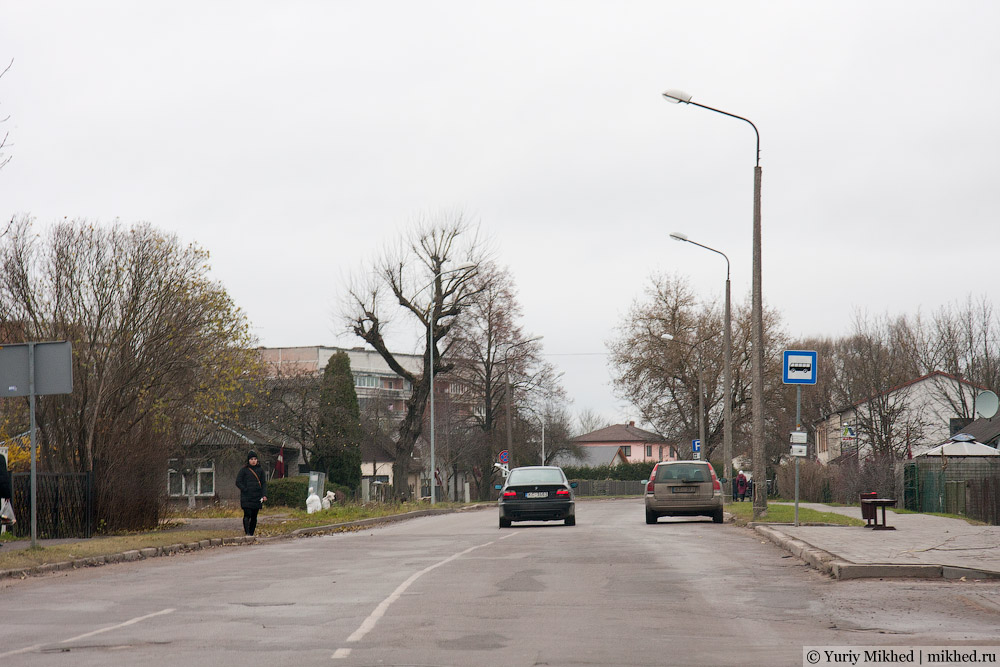
In order not to stray from the topic of airfields, I will disregard chronology and tell you straight away about another place — the former military airfield in Jelgava. Jelgava Airfield is located on the northern outskirts of the city. It is reached via Meiju ceļš, a street that in Soviet times bore the name of Dzilnas Street (named after Rūdolfs Dzilna, a worker at a local factory who organised a revolutionary circle and was shot whilst resisting arrest in 1905).
In Soviet times, military unit No. 22560 was stationed at the airfield, which served as the base for the 285th Separate Helicopter Electronic Warfare Squadron, where my dad served. Electronic warfare means jamming the enemy's electronic equipment (jammers for NATO radars). The squadron was equipped with Mi-8PPA and Mi-8SMV helicopters, which carried special systems on board (these helicopters are recognisable by the distinctive antennas mounted on their sides), as well as the Mi-9 (an airborne command post). In 1992, the squadron was withdrawn to the village of Lyambir near Saransk, and was later disbanded.
At the end of the 1980s, the Riga Skydiving Club moved to the field adjacent to the military airfield from the east. After the military withdrawal, the club occupied the headquarters building and existed until the death of its owner in 2010, after which it closed down permanently (now the only drop zone left in Latvia is in Daugavpils). Currently, a few private aircraft are parked at the airfield, most of the buildings and infrastructure are abandoned and nearly in ruins, and the bulk of the territory is overgrown with woodland.
The gates at the entrance to the military unit are still in place. There used to be a checkpoint here, and to the right stood a cabin where a soldier was on guard duty.
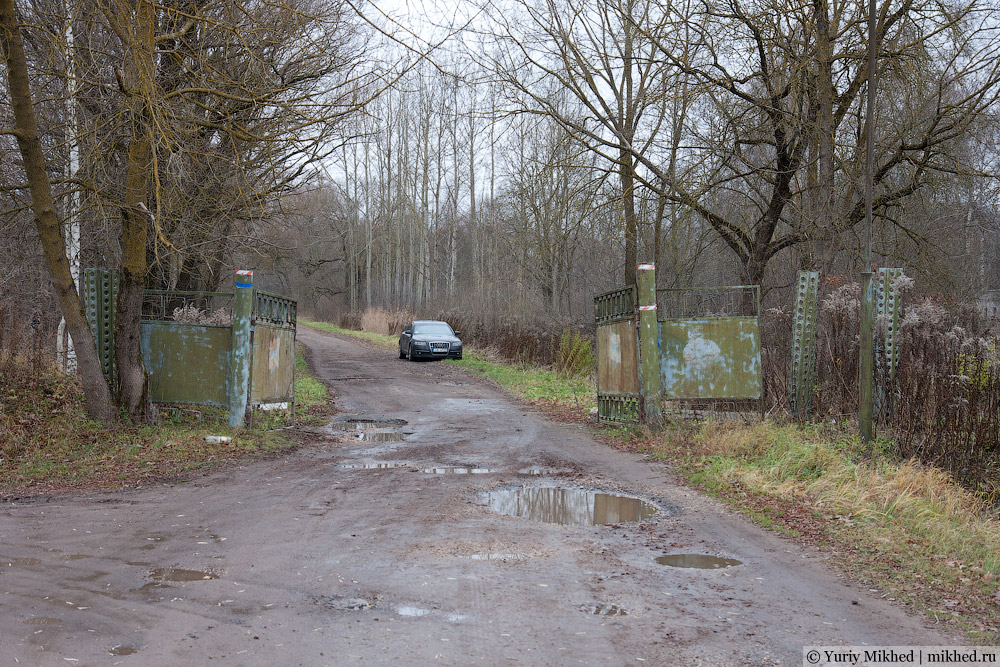
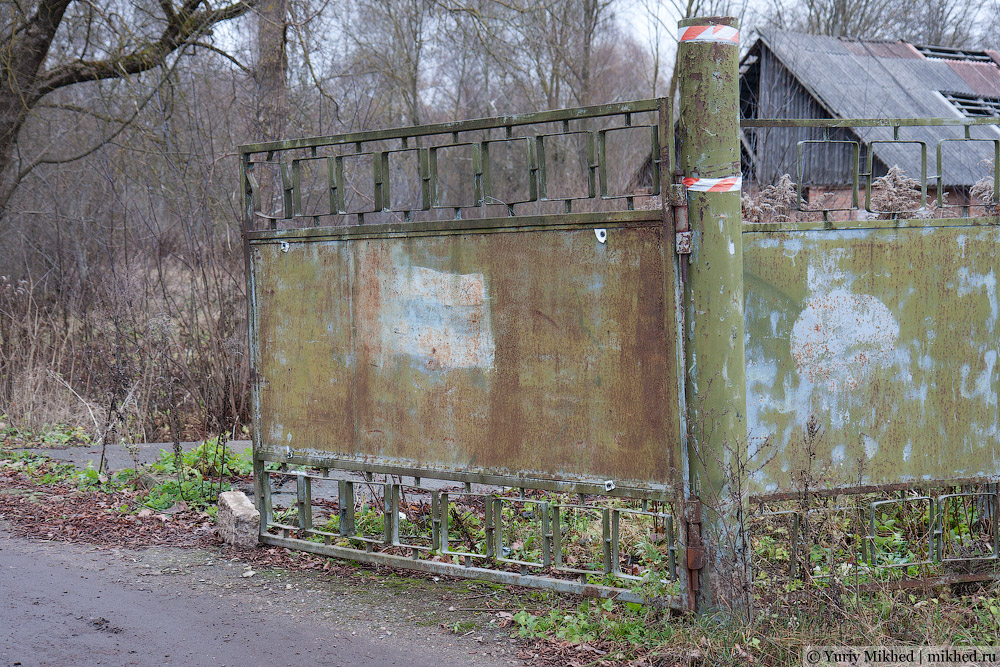
Red stars were attached to the gates; in 1991, they were replaced with Russian tricolours. When the unit was withdrawn, the flags were painted over, but over the years the paint has peeled off, and today the images of the flags slightly show through.
The military facility was enclosed with barbed wire, and some of the fencing has survived.
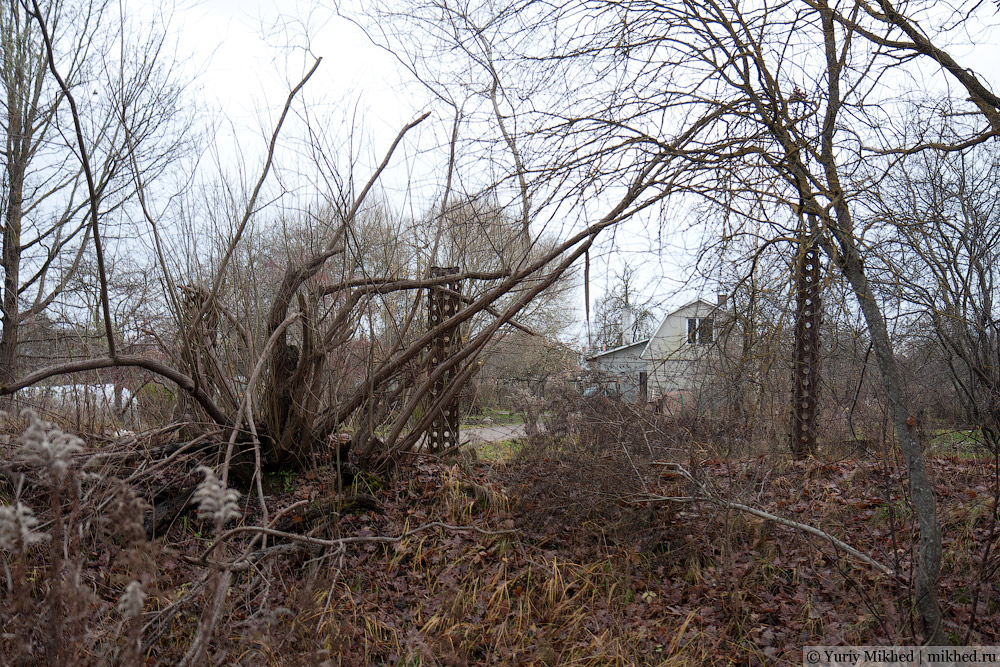
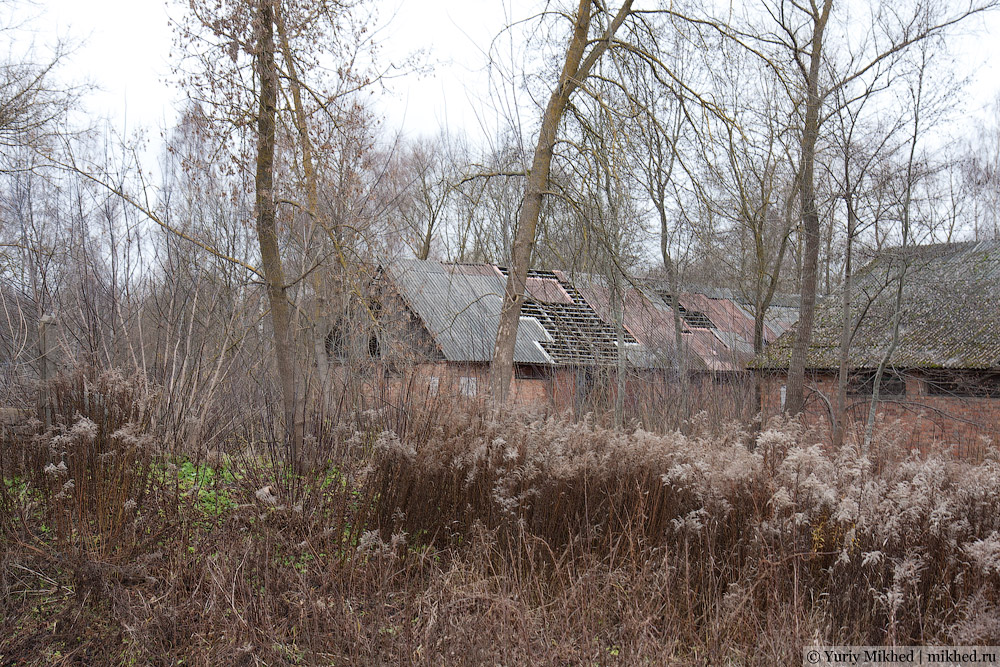
Some abandoned buildings sit in the undergrowth.
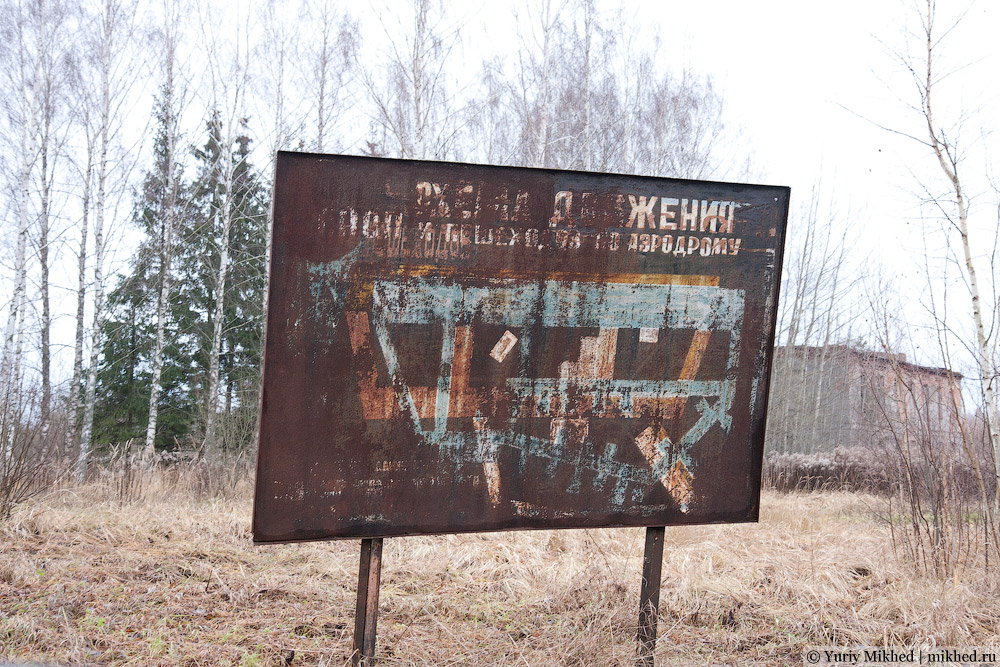
Let's drive to the base itself. Near the road stands a lopsided sign with a plan of the airfield, showing several layers of paint from different years.
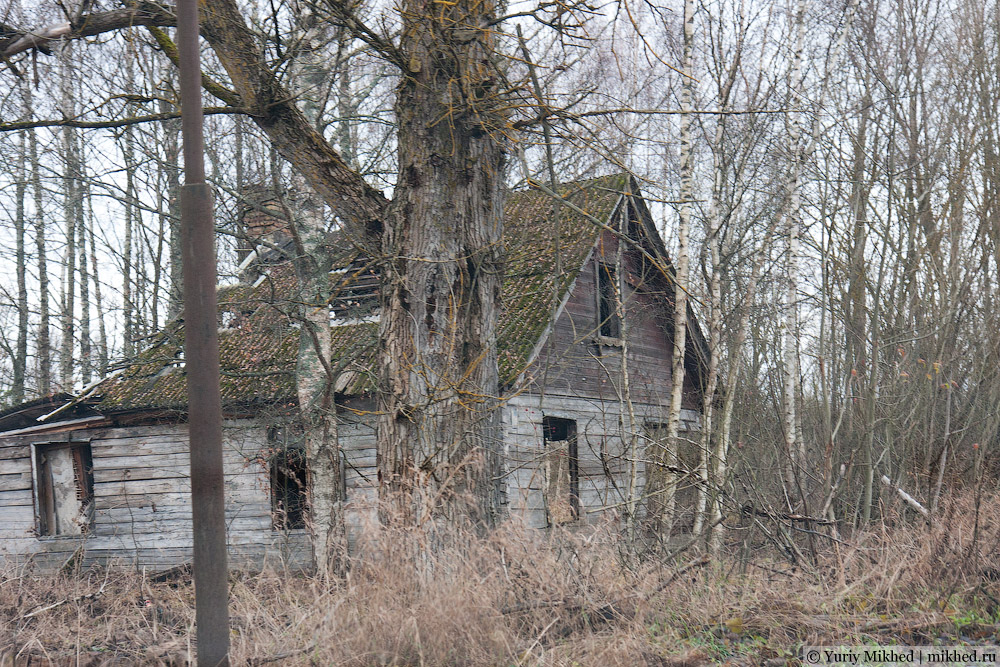
An abandoned structure across the road from the signpost.
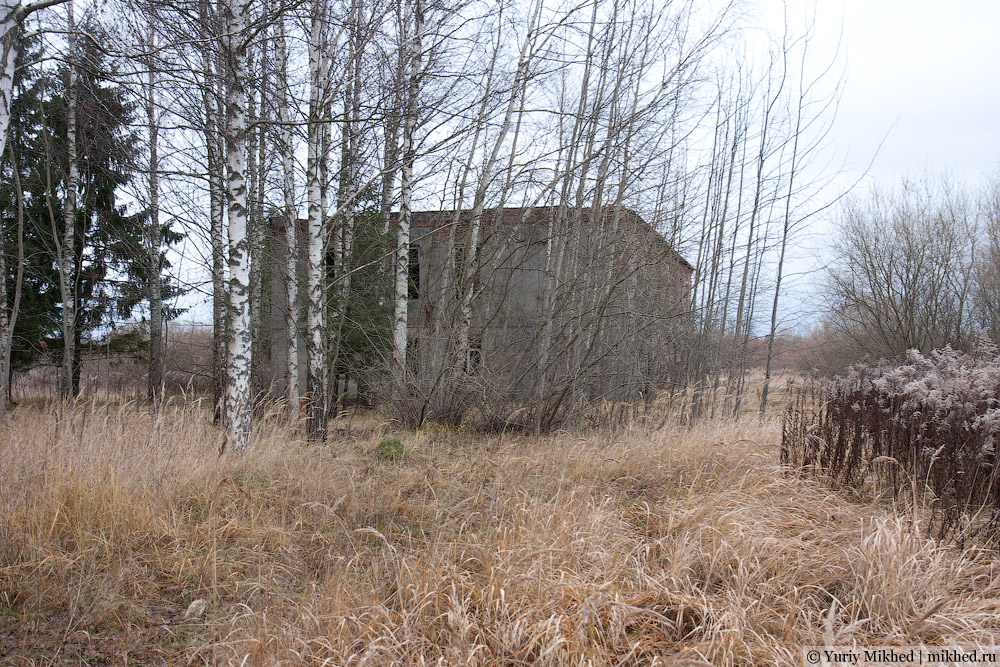
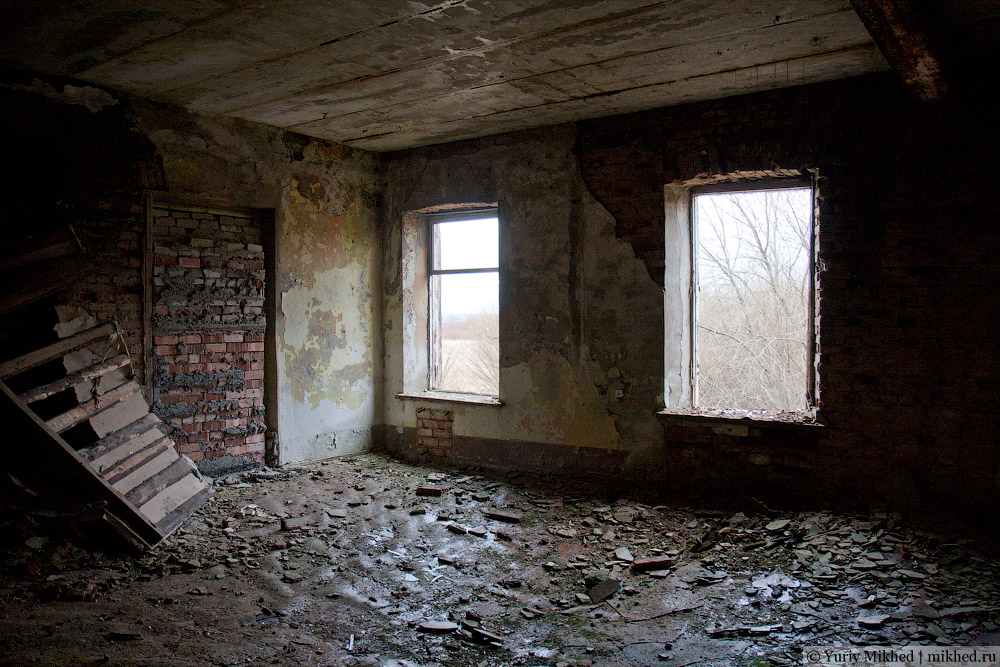
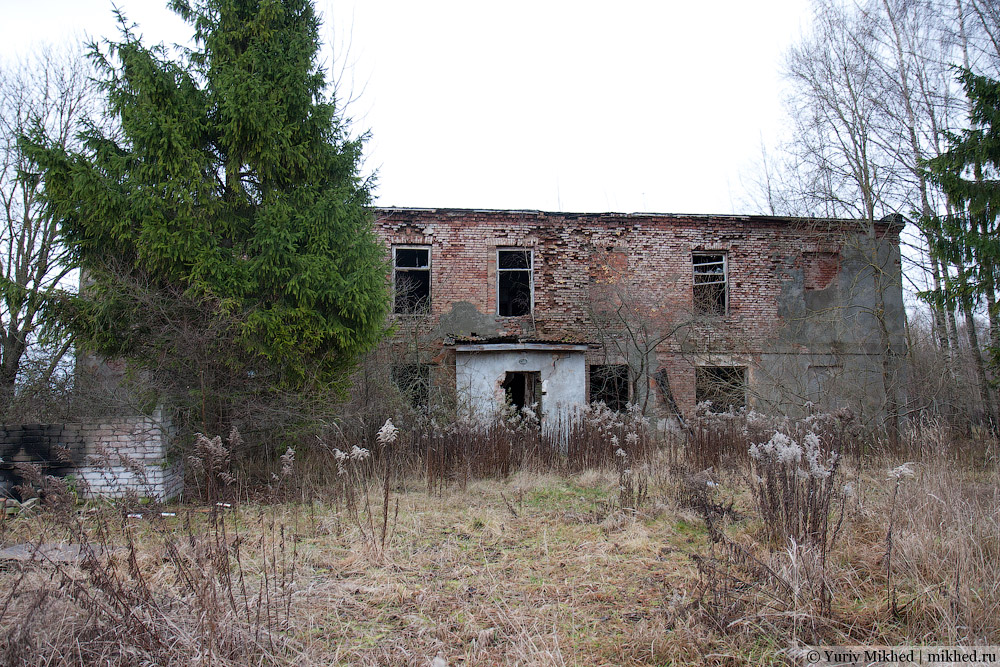
Behind the birch grove is the two-storey building of the old headquarters.
Inside.
View from the porch side.
A video filmed inside and near the building. Unfortunately, this was the only video filmed at this airfield because it was towards the end of the day, and the phone battery died shortly after.
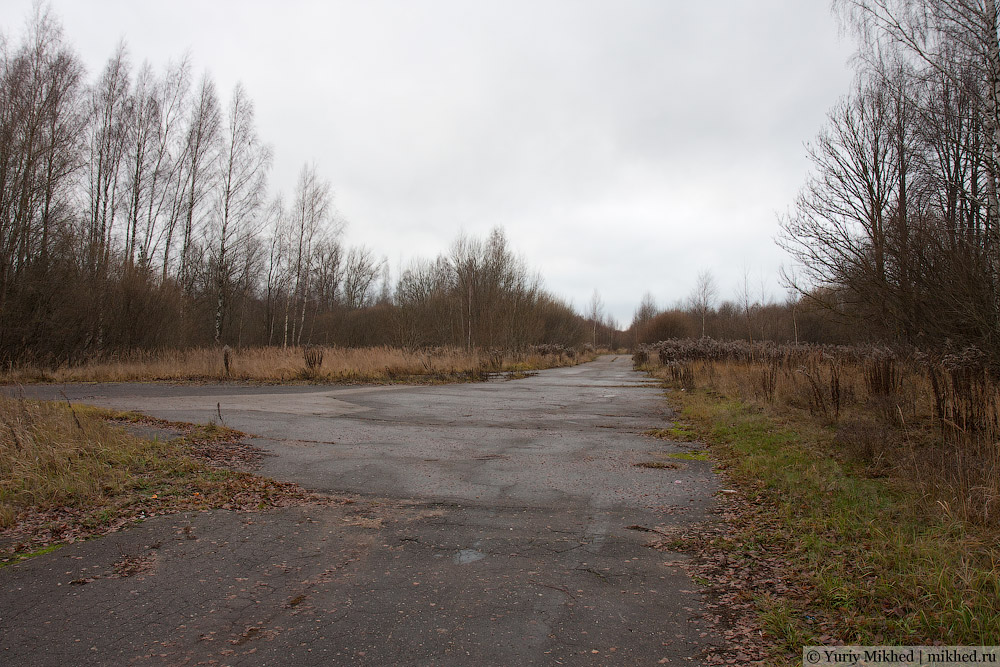
This road ran parallel to the runway.
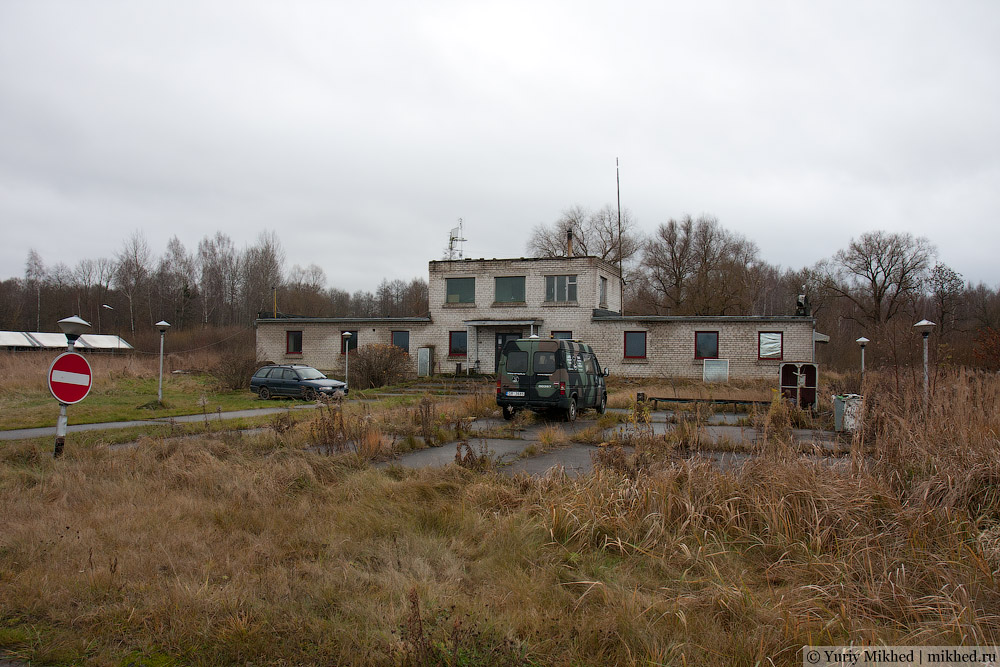
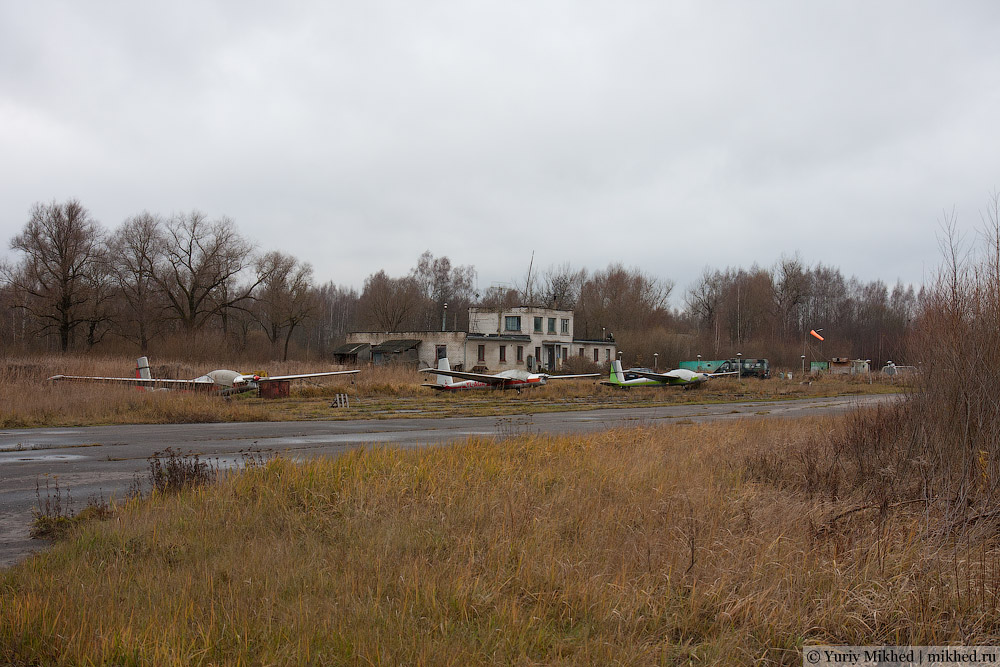
Not far from the two-storey building is the only structure at the airfield that is still not abandoned. According to my dad, the headquarters were located here. In the nineties, the building was occupied by the parachute club. Now a watchman lives here, and planes are parked nearby.
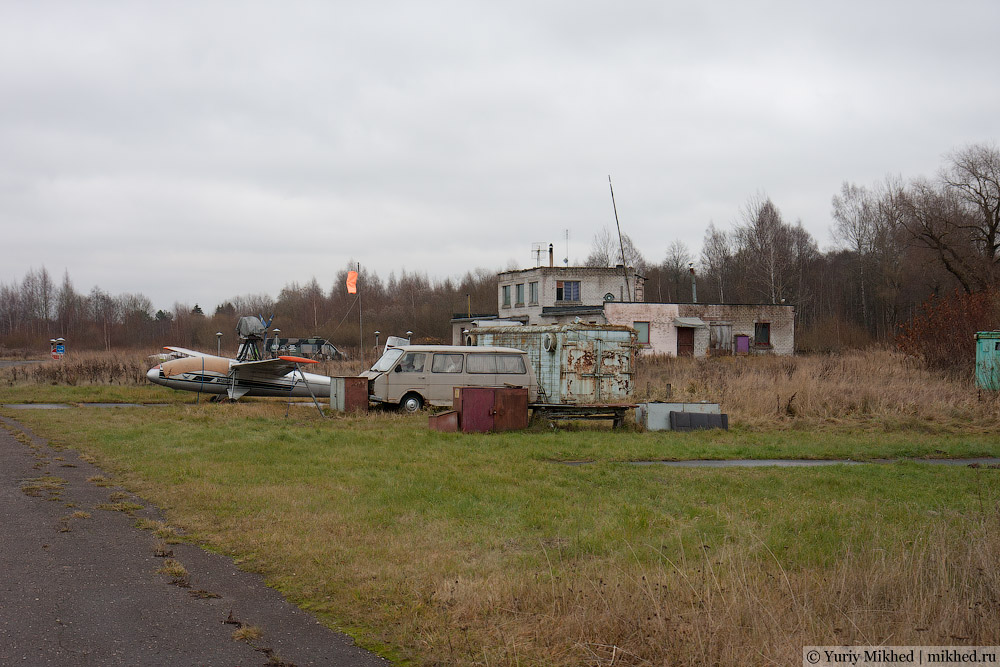
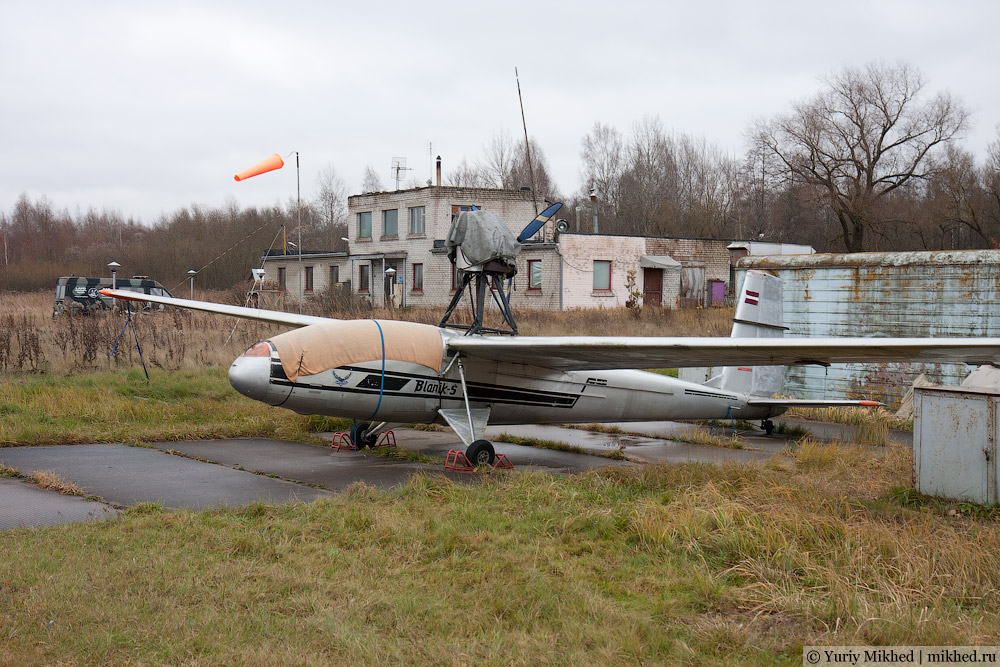
All the aircraft are actually motor gliders. This one is a crudely modified Blaník.
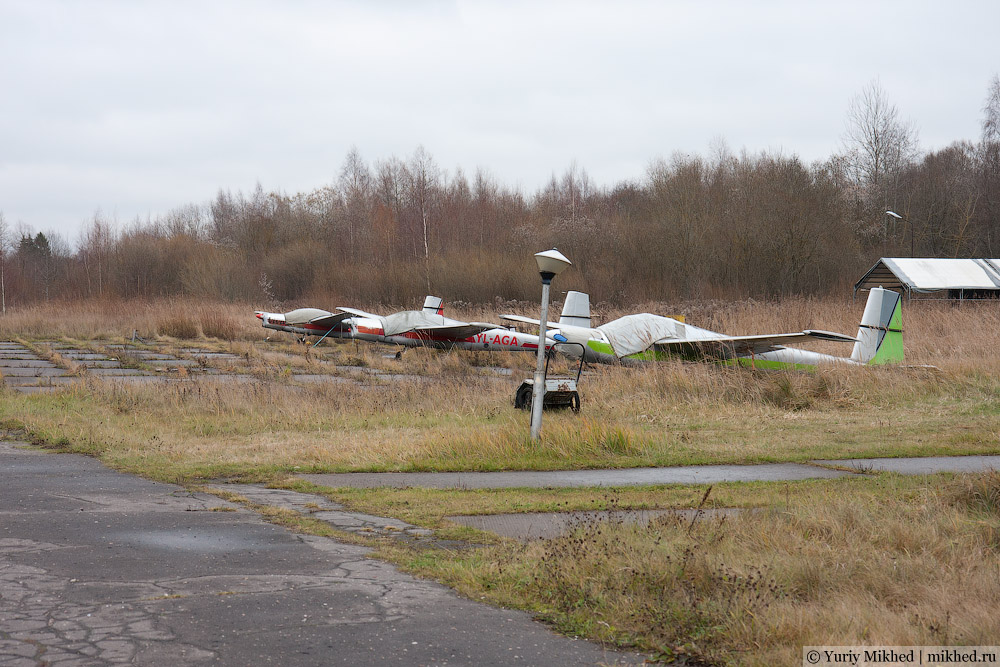
And these, if I am not mistaken, are L-13SV "Vivat" motor gliders. They were manufactured by the Czechoslovak company Aerotechnik based on the same Blaník. Apart from these, there are no other aircraft.
The camouflage minibus advertises the Jelgava airsoft club, and during the existence of the parachute club, there was a pre-jump inspection line near the bench, as indicated by the sign preserved there.
Let's walk up to the runway. The air traffic control tower was located in this small building.
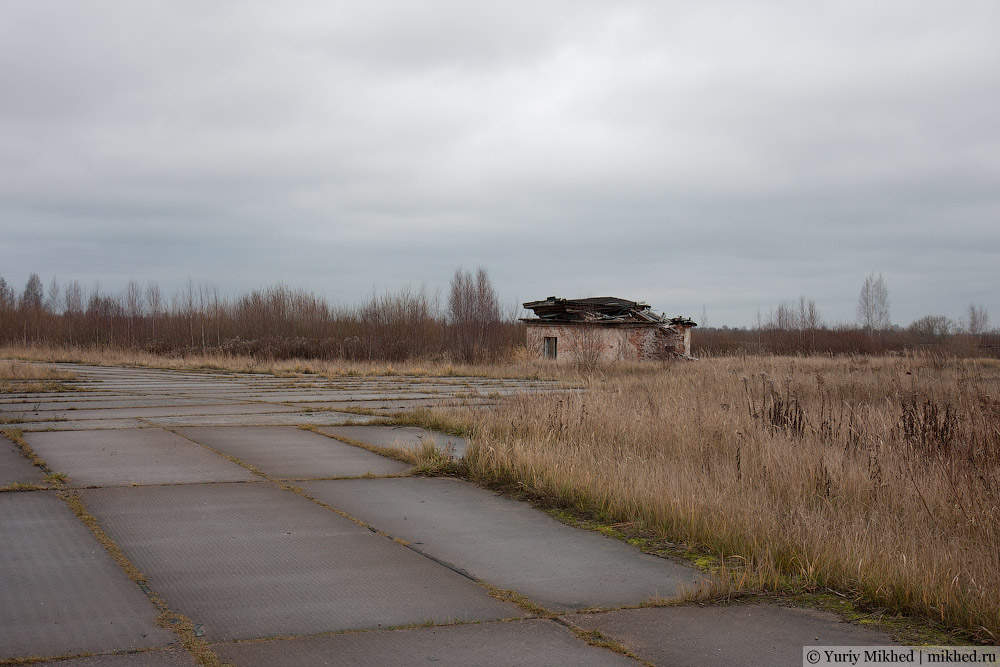
The first floor, where the controllers sat, has already collapsed.
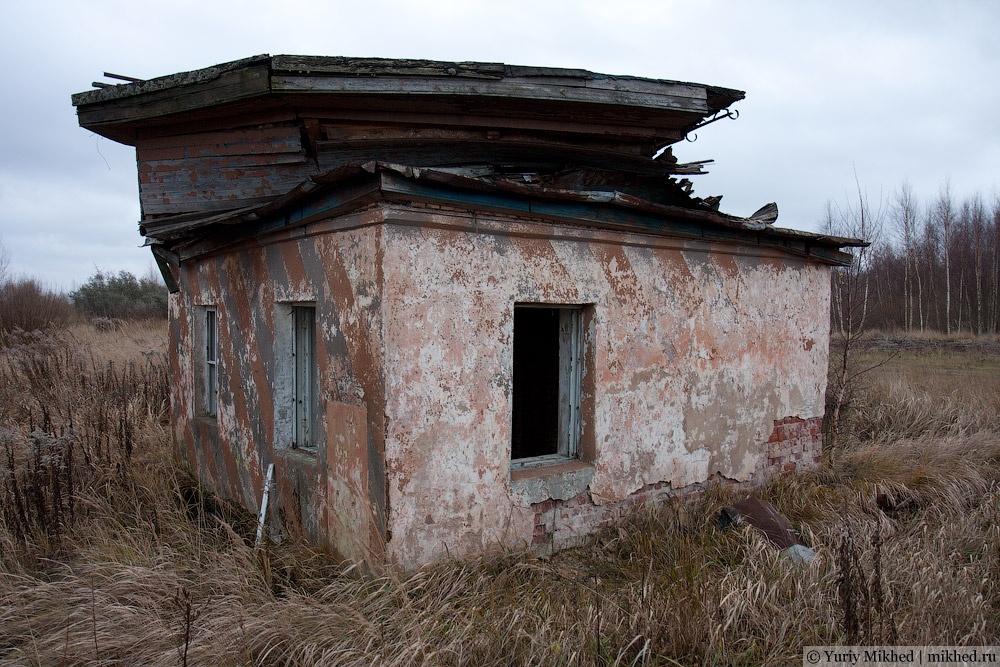
There is nothing inside.
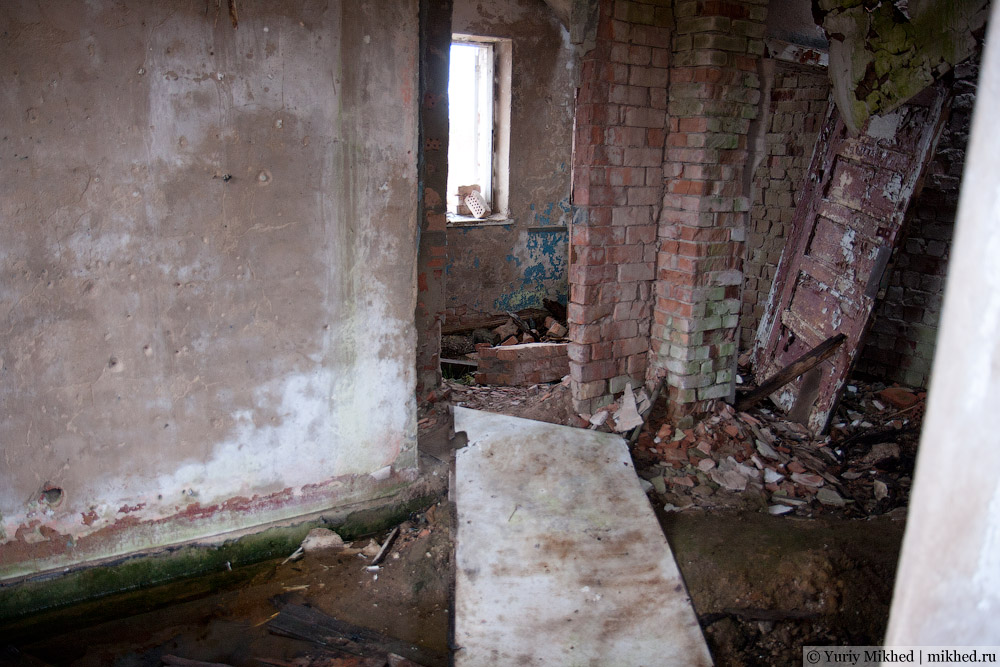
The runway (08/26). Despite the fact that only helicopters were based at the airfield, it had an impressive runway 2,500 metres long. Thanks to this, it could be used as a diversion airfield for military aircraft (there was an airbase in neighbouring Tukums, home to the 668th Naval Aviation Regiment of the Baltic Fleet). In 2010, the bulk of the concrete slabs were dismantled. Out of 2,500 metres of the runway, only 800 were left. Most of the taxiways and parking aprons were also removed, leaving slabs on one taxiway and near the headquarters (for light aircraft parking).
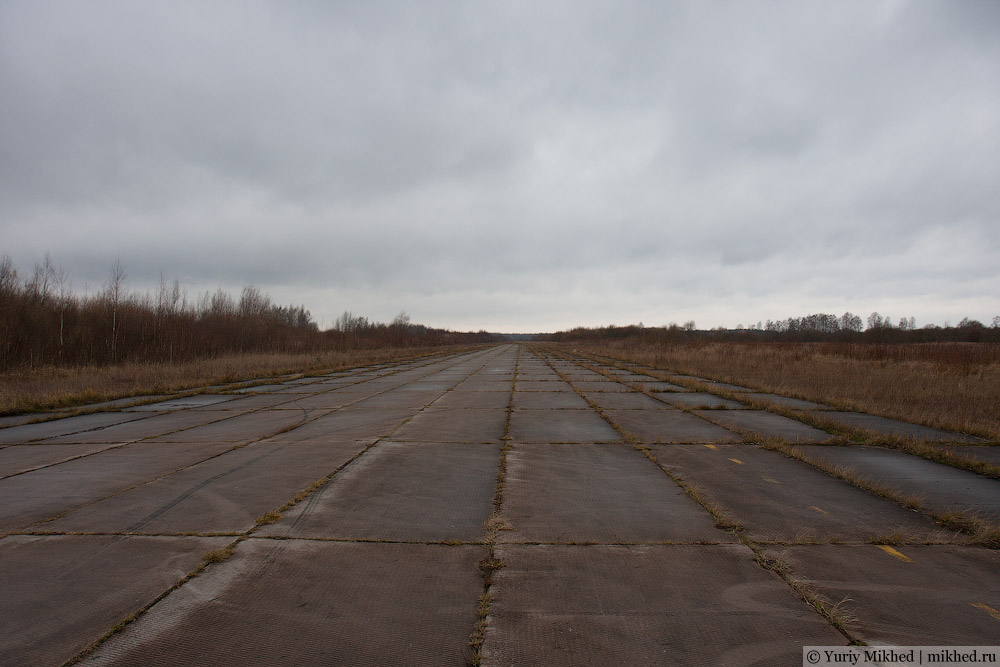
The preserved taxiway. As you can see, it was made narrower by removing the slabs along the edges.
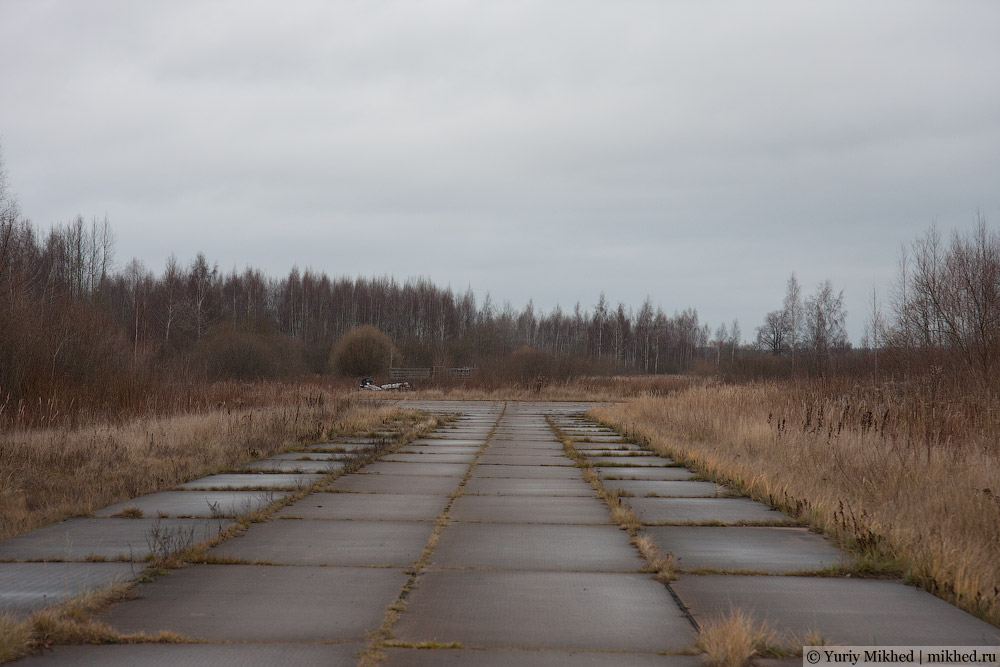
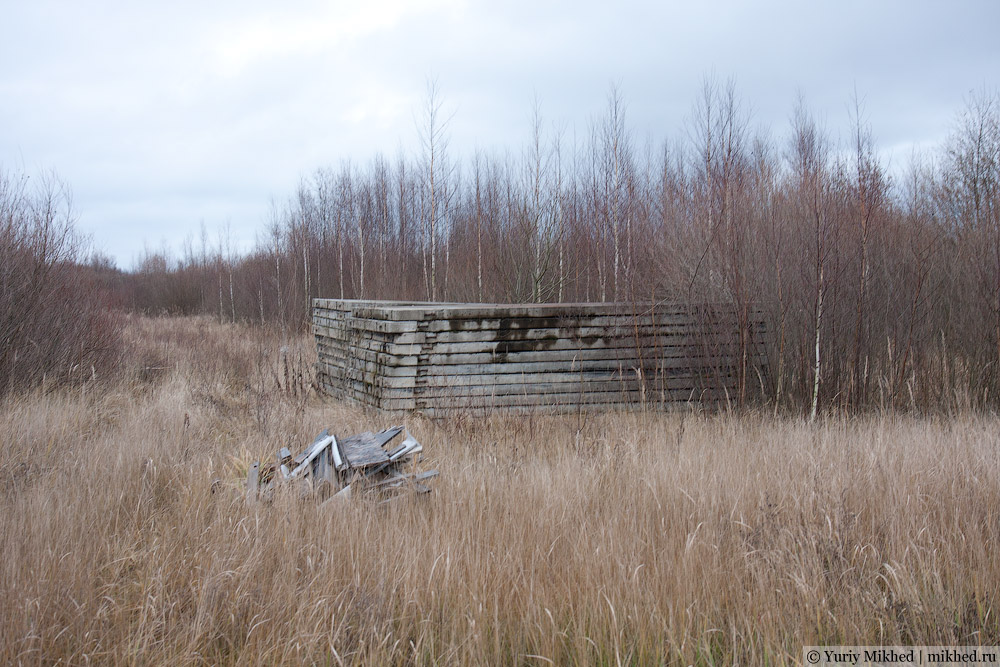
Some of the dismantled slabs were left right at the airfield. Notice the undergrowth around it — once this was a meticulously mown field. However, the trees are not very large yet, as the territory was looked after somehow or other until the parachute club was liquidated.
* * *
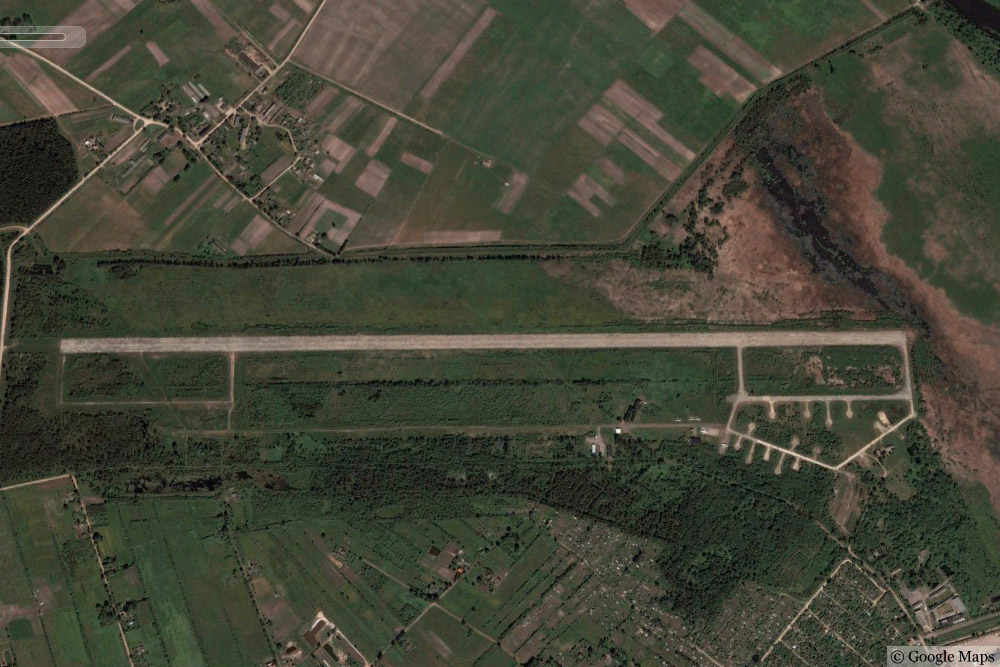
Of course, the impression of the airfield will be incomplete unless we look at it from above. So let's take a quadcopter out of the bag. Whilst it is preparing for flight, let's first look at what was here before. When I posted some of the photos on Odnoklassniki on the evening of the same day after this trip to the airfield, someone in the comments doubted that it was actually Jelgava Airfield. This person could be understood — the airfield is indeed difficult to recognise now due to the lack of most of the slabs and the abundant vegetation. Below is a satellite image from Google Maps in 2002, when the slabs were still in place. Click on the photo to see the 2017 image.
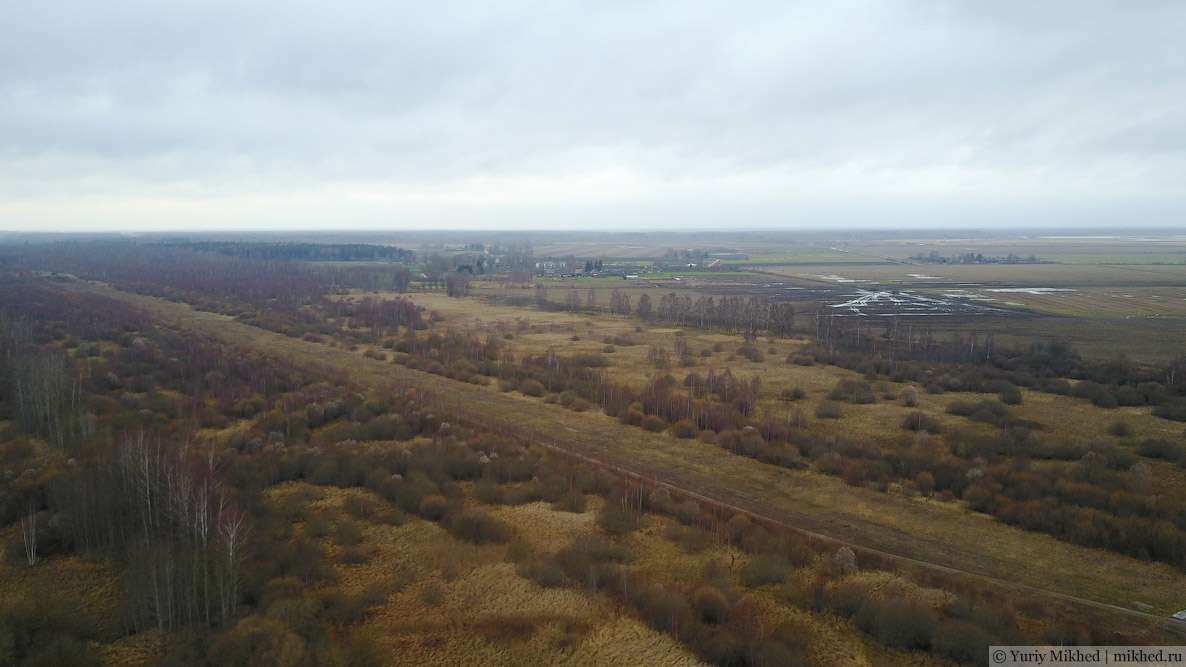
The drone takes off. The main part of the airfield is already overgrown with forest, but on the site of the recently dismantled runway, the trees have not had time to grow yet.
General view of the main part. The city is visible in the background.
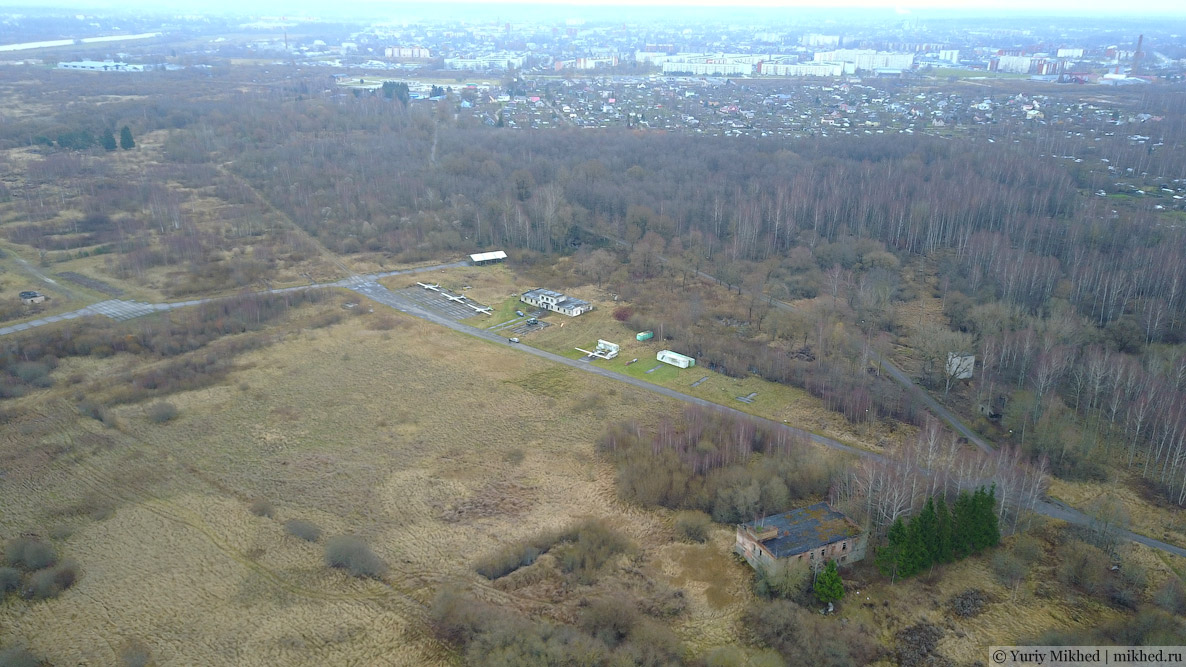
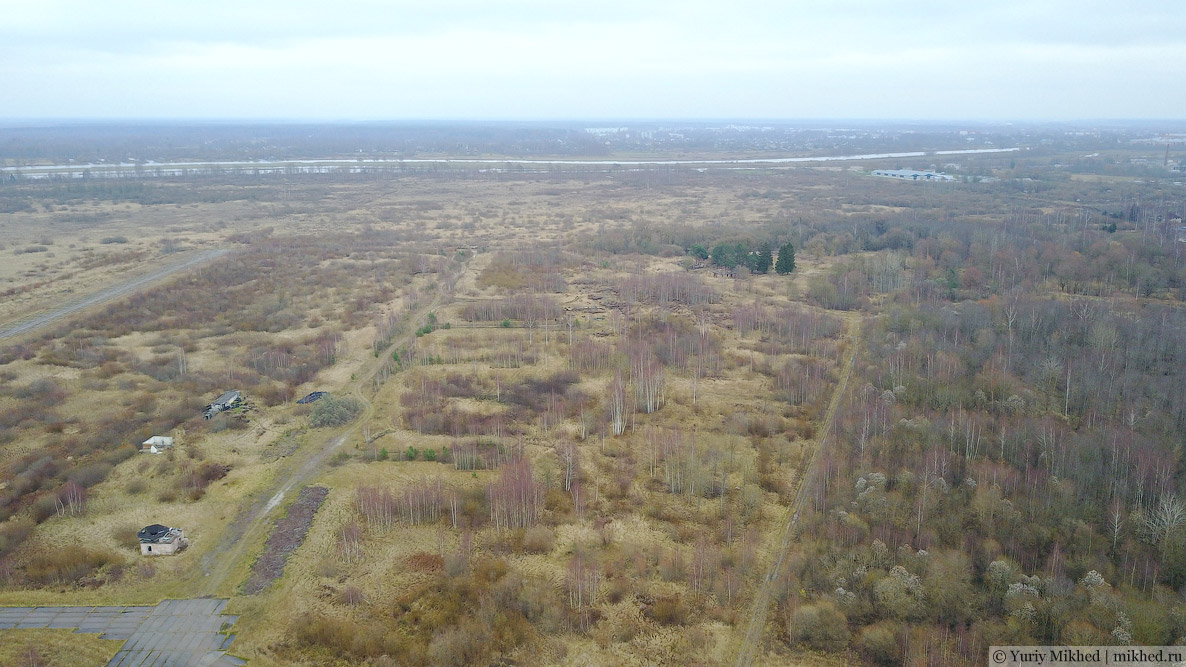
Helicopter parking areas and taxiways were located here (dirt tracks remain in their place). A few fir trees can be spotted in the middle of the image. The barracks and the parachute training service building were located near them (we will still visit their ruins). The large field in the upper part of the image was used by the Riga aeroclub until the withdrawal of the military squadron. Immediately behind the field, the Lielupe River is visible.
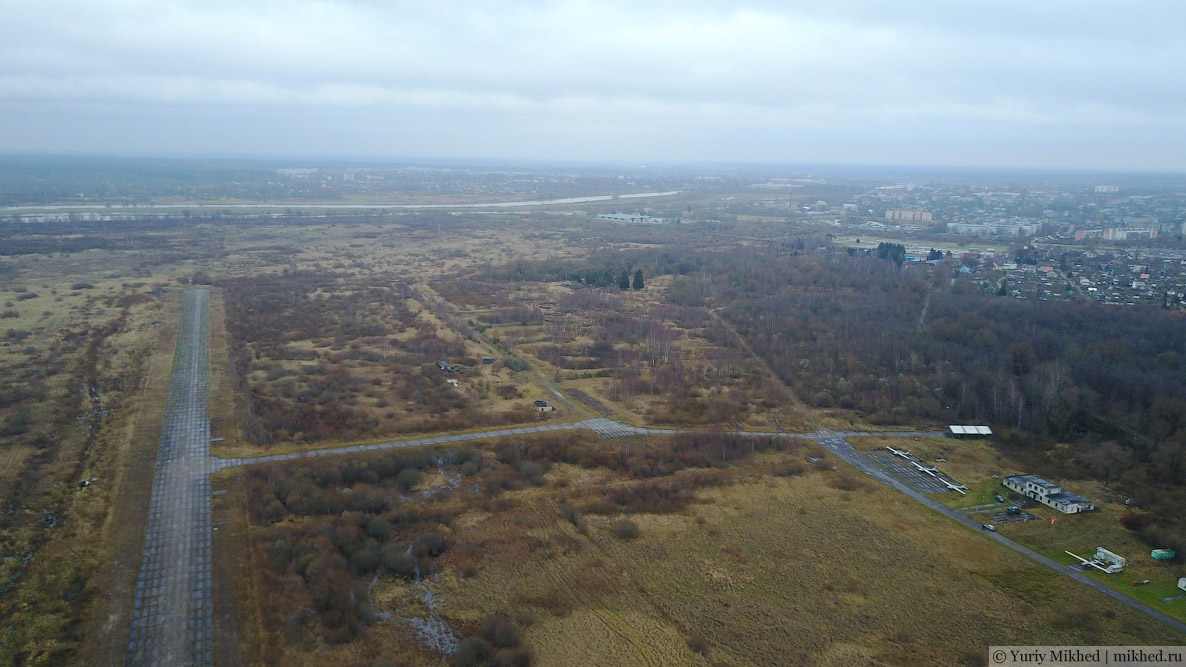
Another general view. Here it is clearly visible that the runway was not only shortened, but also narrowed by half.
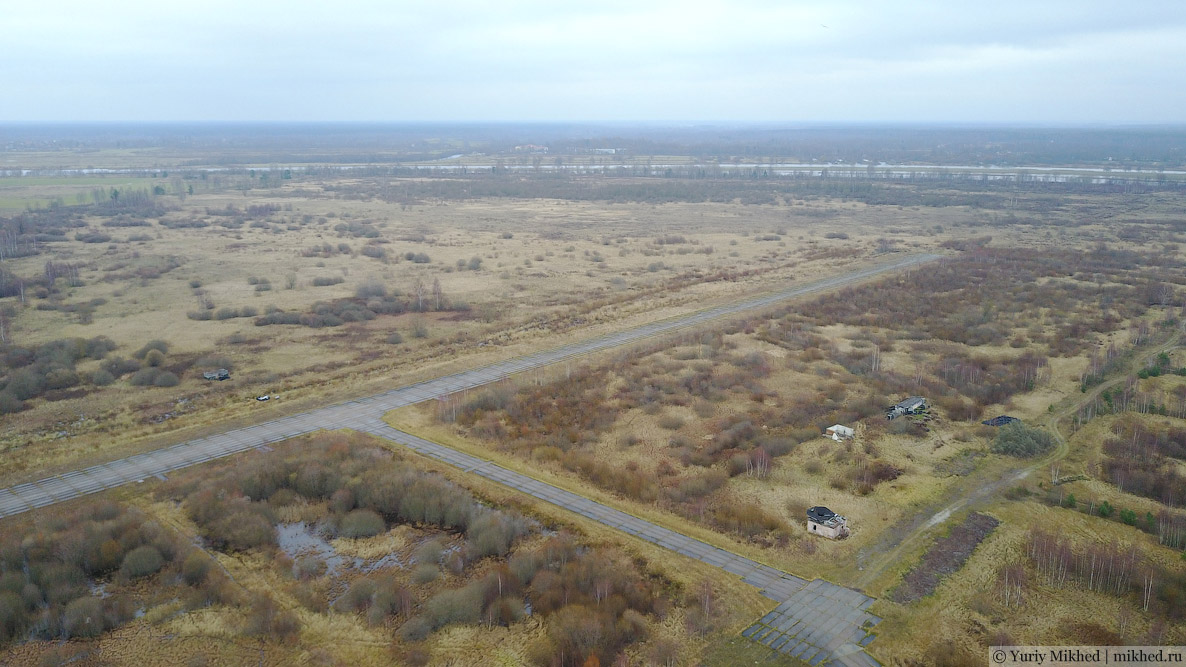
Forest, marshes... Nature is reclaiming the land.
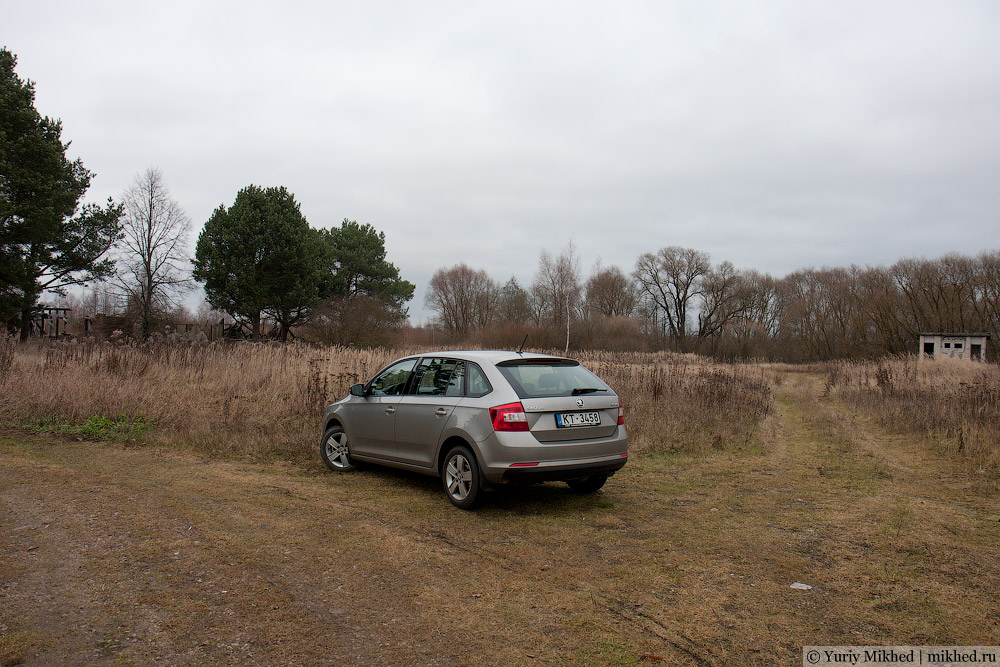
Let's now drive up to the place where the barracks, the shop, and the parachute training service building were located (the latter was definitely here during Fakhrutdinov's time, but earlier — I am not sure). Apologies for the car in the frame, I parked it badly. The ruins of the buildings are visible on the left; on the right is the surviving toilet. In the centre was an area with training equipment for pilots. In the early nineties, all the skydivers' parties, such as the Līgo celebrations, were held in this place. To the right of the toilet stood a wooden shed where a large number of old school textbooks had been dumped, so it was a place of pilgrimage for me, as there was a heap of free books on biology, history, and geography. There was a small pond near the shed. They were good places and times.
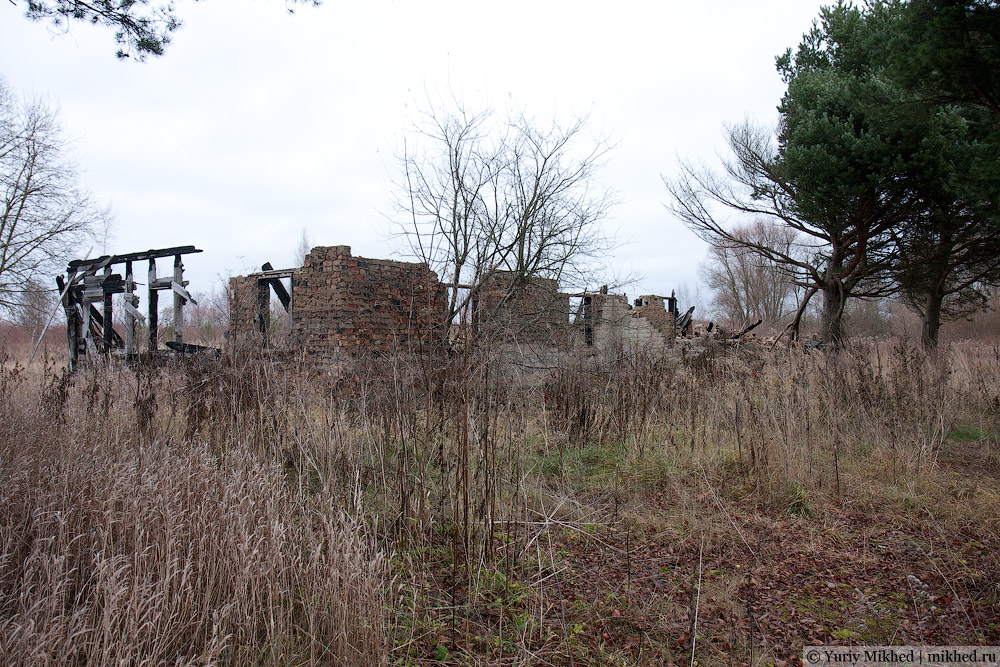
Ruins of the barracks. I remember these pines that grew by the porch.
Once, when the barracks were no longer in use, I climbed inside and found a large wooden model of an An-2 there. It was an amazing thing; I wonder what became of it afterwards? A pity I didn't take it.
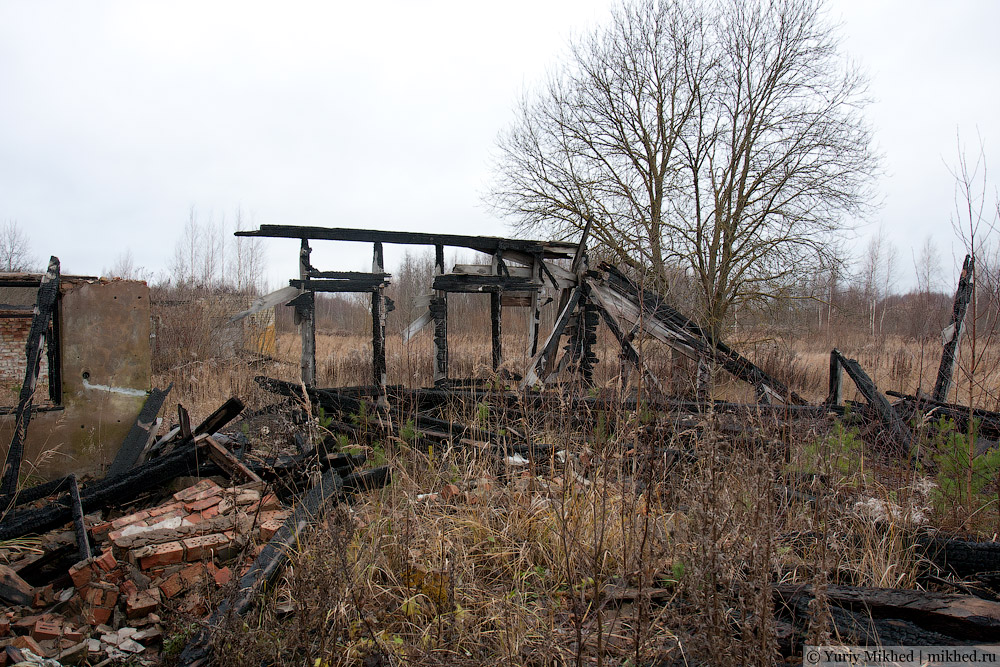
To the right of the barracks was the parking area for the Mi-8T, which was also used for jumps in 1991–1992. Now this place looks like this.
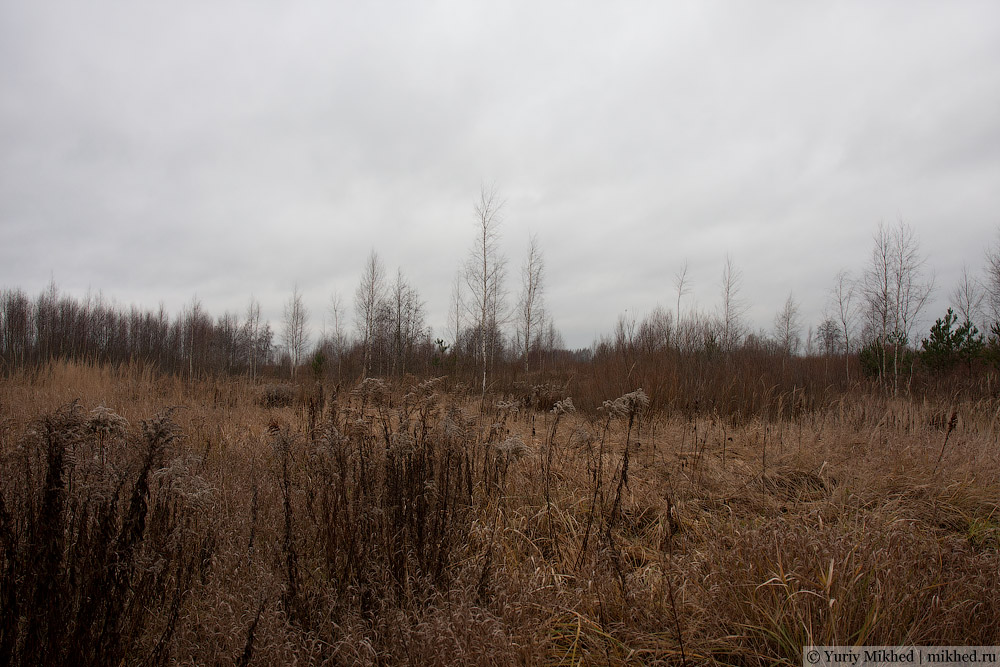
The parachute training service building is still preserved slightly better.
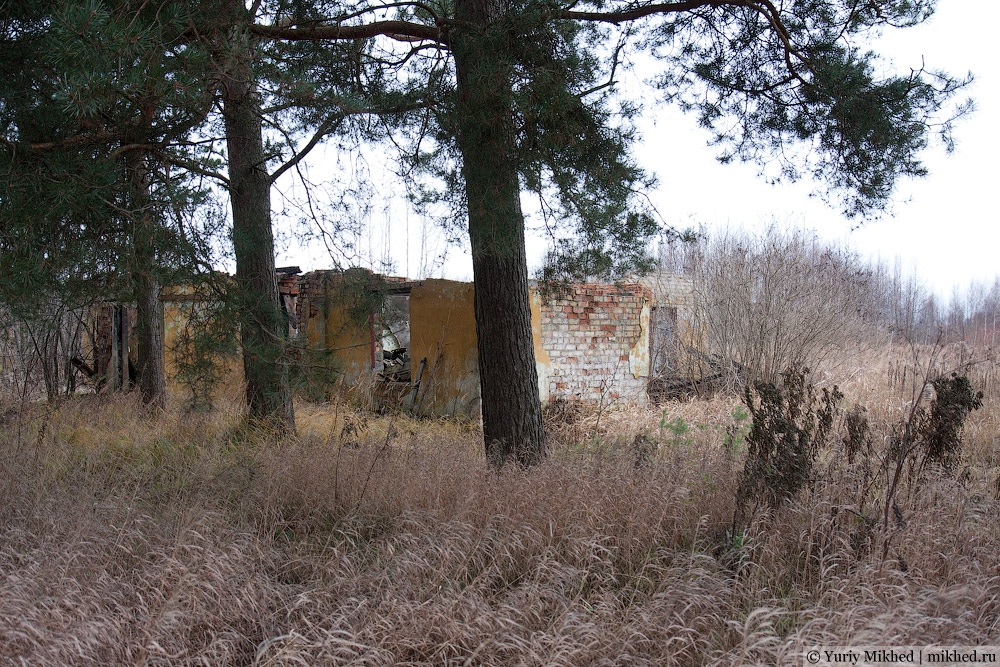
View from this clearing towards the road. If my memory serves me correctly, there was some sort of specially protected perimeter with a machine gun tower in the centre (possibly an arms depot).
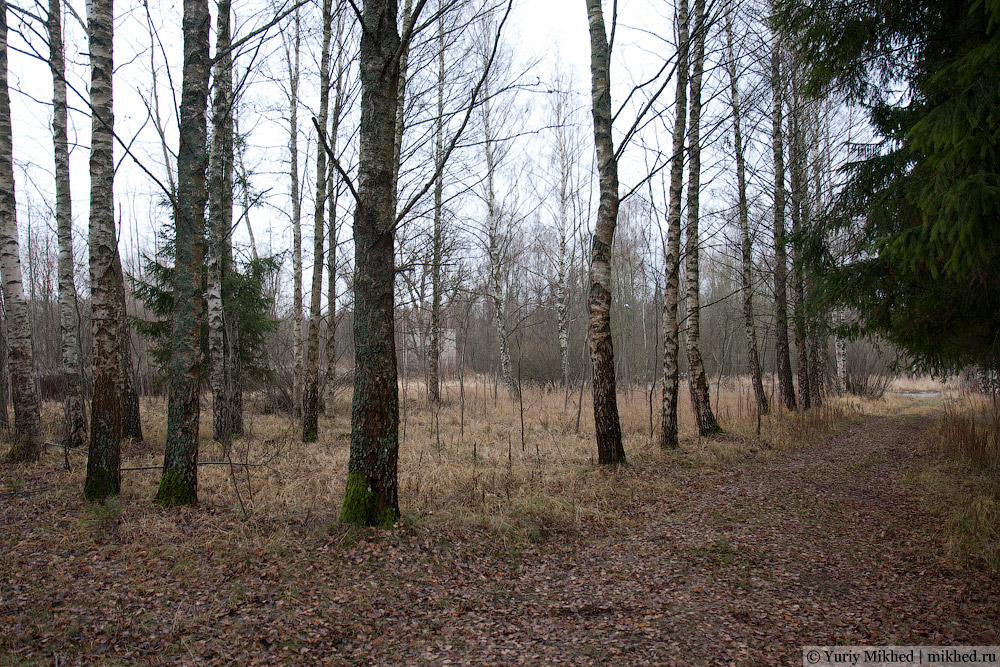
Finally, we will pop into where the Riga aeroclub was originally located.
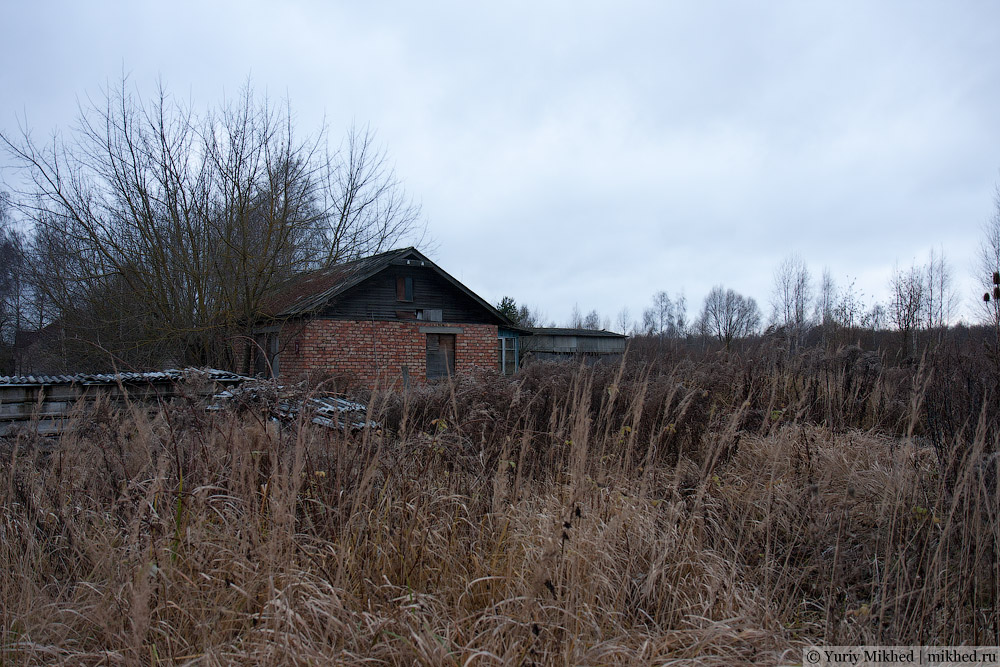
There is absolutely nothing to look at here; nothing is left except this little house. When in May 1990 the Rigans crashed the Nākotne An-2 with tail number 20 taken for training camps, the fuselage of that aircraft, with the engine and tail unit removed, was placed just here.
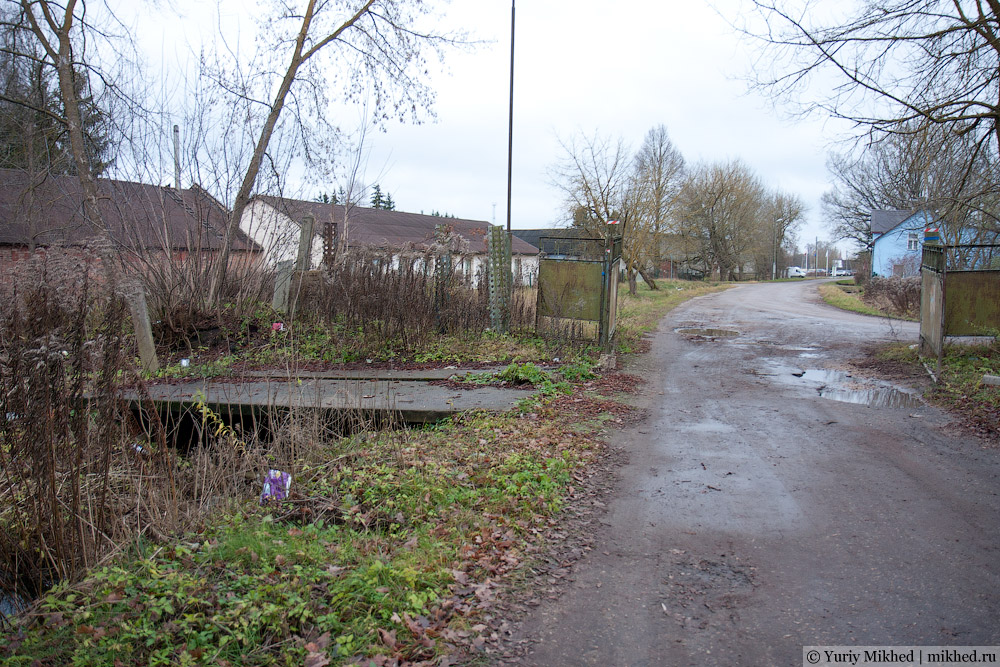
Slokas Street runs along the former airfield. At the end of it, there were also some buildings. In one of them, we once had a New Year's party (organised for the children of the unit's servicemen); another time, in the first form, we went there to perform in front of my dad's company (I remember it vividly now, I was reciting a poem about school — «Šurp grāmatas, uz skolu, es būšu teicamnieks! Tad māmiņai un tētiņam un Dzimtenei būs prieks!»*). This time we didn't manage to drive that far, but judging by satellite images, those buildings have also been abandoned for a long time.
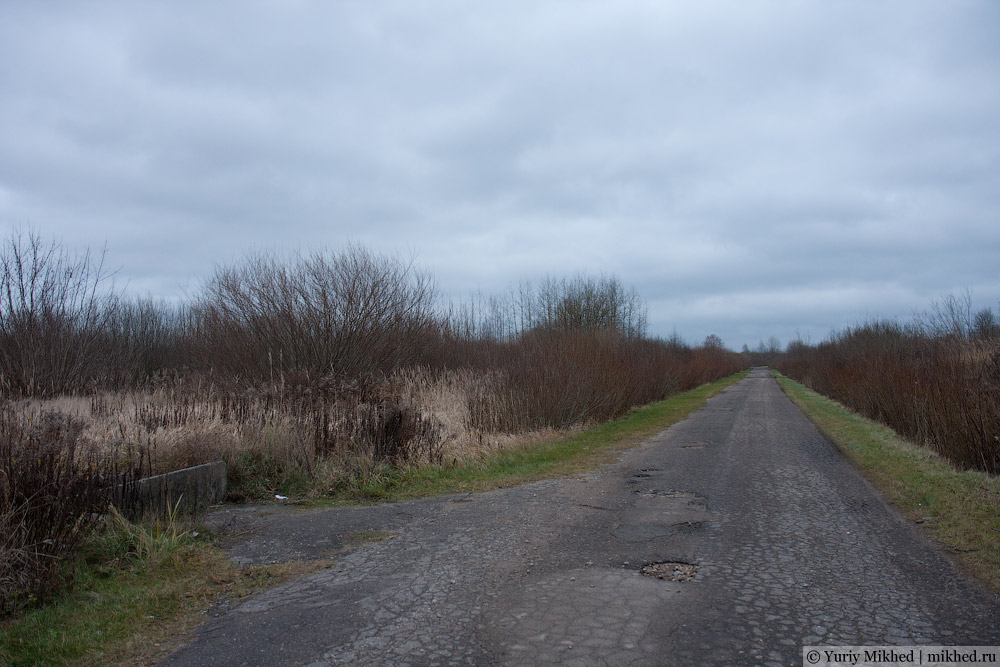
Here were the parking areas for An-2s, Wilgas, and gliders, and a machinery depot (including decommissioned equipment that I loved to climb over). Nearby stood retired Ikarus-260 buses (the city bus depot is located next to the airfield). But now, only memories remain of all this.
* Here are the books, to school, I will be a top student! Then to mummy, and to daddy, and to the Motherland there will be joy! (Latvian)