Homiel
Homiel Region, Belarus, July 2008
Google Maps, Yandex.Maps
I'm ashamed to admit that despite having visited this city so many times, I never once bothered to look at what it actually has to offer. I'm fixing that oversight now.
The Palace of the Paskievičy and Rumyantsevs is considered the city's main attraction. I used to think it was just a double last name. As it turned out, these were different noble families who owned the city at different times. The Russian commander Pyotr Rumyantsev received the city as a private possession from Catherine the Great in 1775. In 1827, due to a lack of funds, his son Sergey Rumyantsev mortgaged the city to the state treasury. In 1838, it was acquired by Prince Ivan Paskievič, whose ancestors managed it here until the revolution.
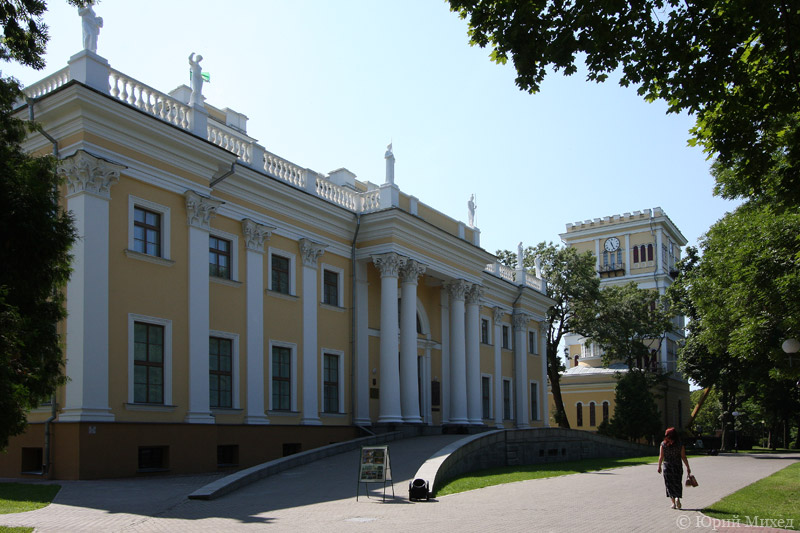
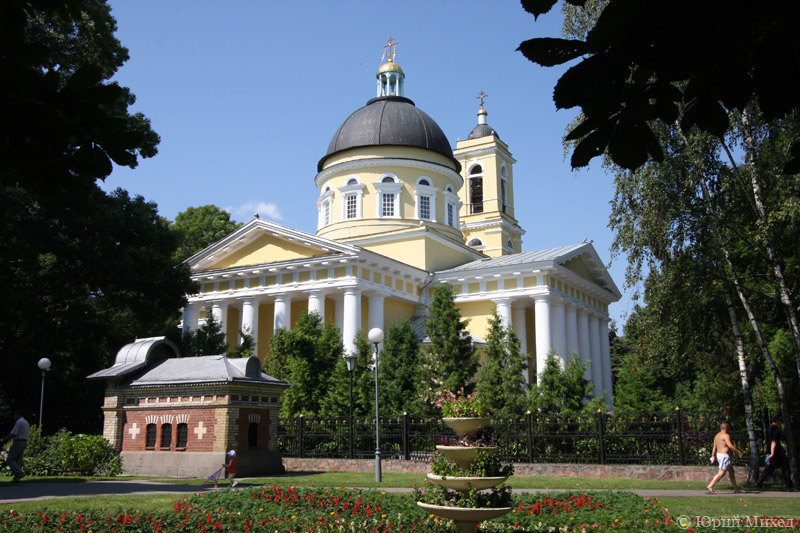
The park is equipped with trash bins shaped like cannons (visible next to the stand in the previous photo), which were later also spotted in Rečyca, and contains many interesting sights that will definitely warrant a proper look on one of my next visits. St. Peter and Paul Cathedral.
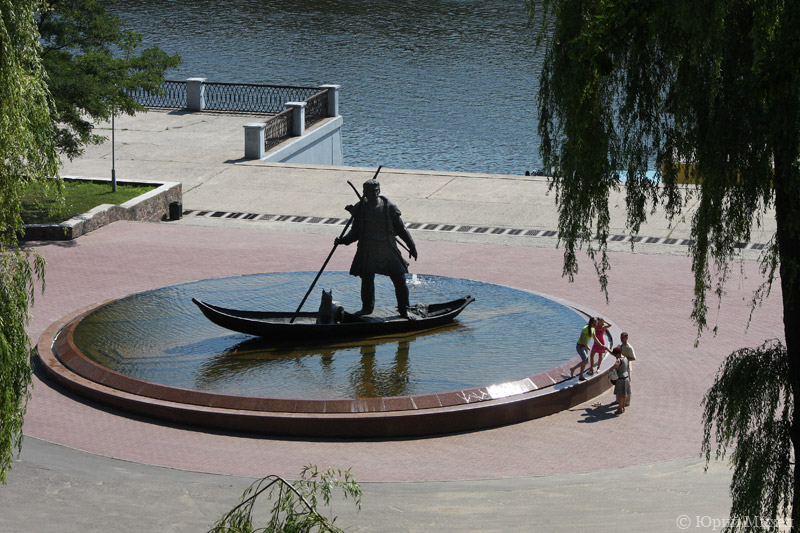
A monument to Homij, the ancient chieftain of the Slavic Radimich tribe. It is also possible that the composition illustrates another popular legend about the city's name, according to which it comes from “ho! miel!” (“hey, we've run aground!”). The credibility of this legend is highly doubtful, and for proper versions of the name's origin, you are better off checking Wikipedia. A lynx rides the fountain along with Homij, though it became a city symbol only during the Russian Empire (prior to that, the city's coat of arms was a white cross on a red shield).
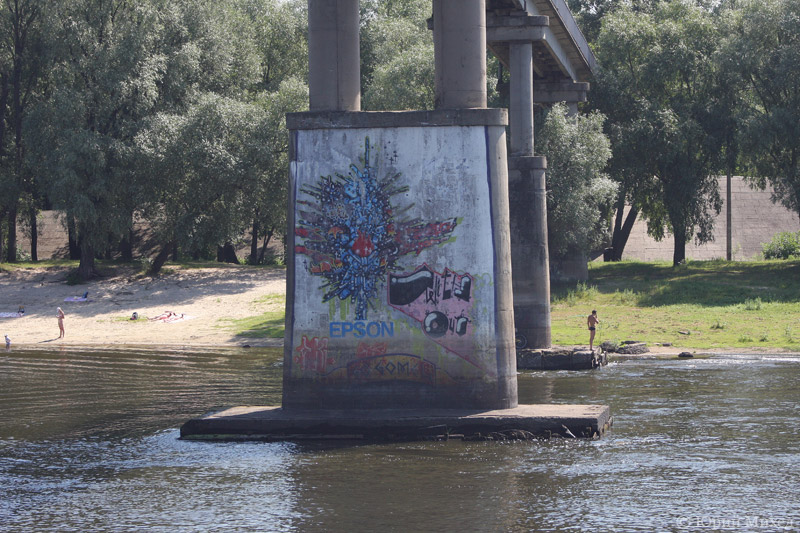
There is nothing on the other side of the river, just a beach. Local graffiti artists advertise major brands.
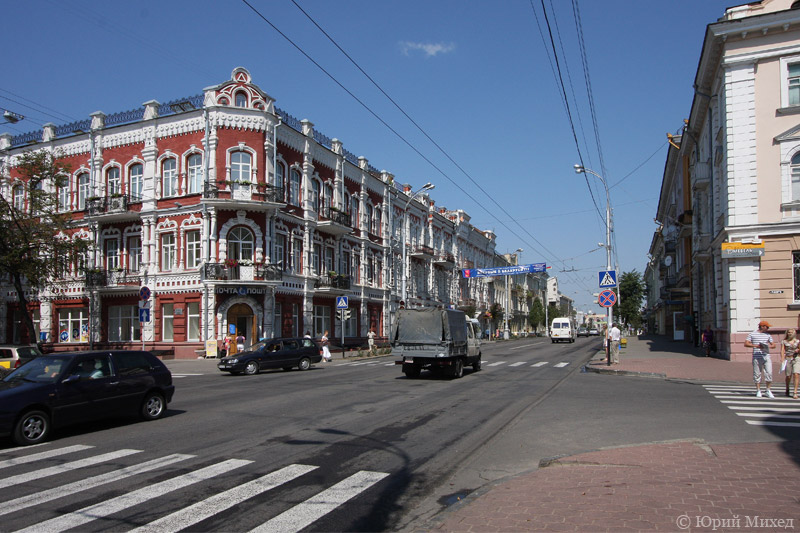
Closer to the park, many pre-revolutionary buildings have survived.
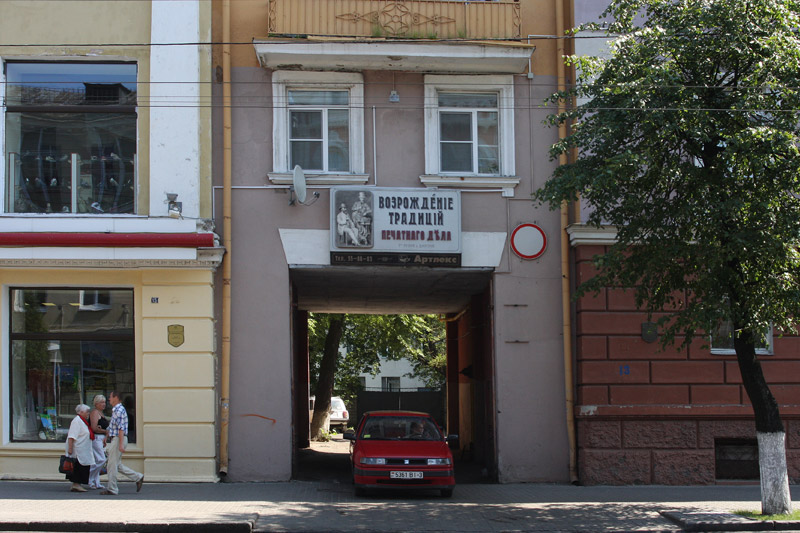
Here, for the first time, I happened to see a modern Russian text written with pre-reform spelling without any mistakes.
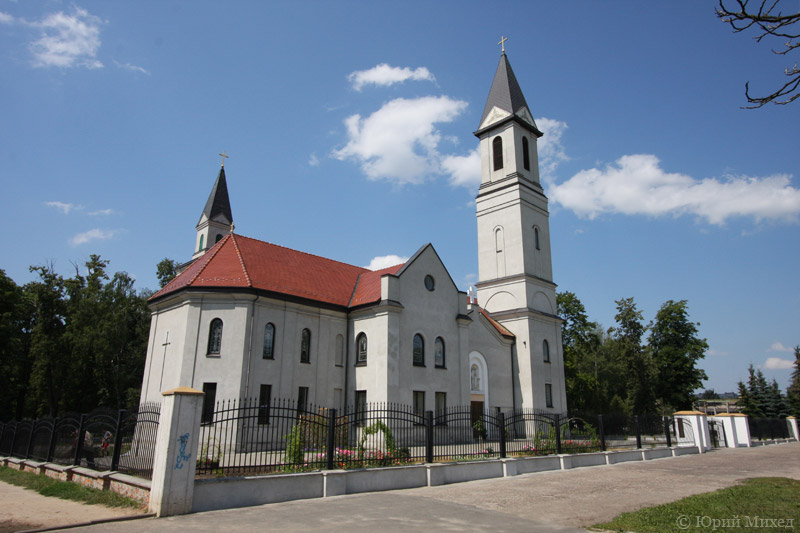
The city has a functioning Catholic church (Church of the Nativity of the Most Holy Virgin Mary).
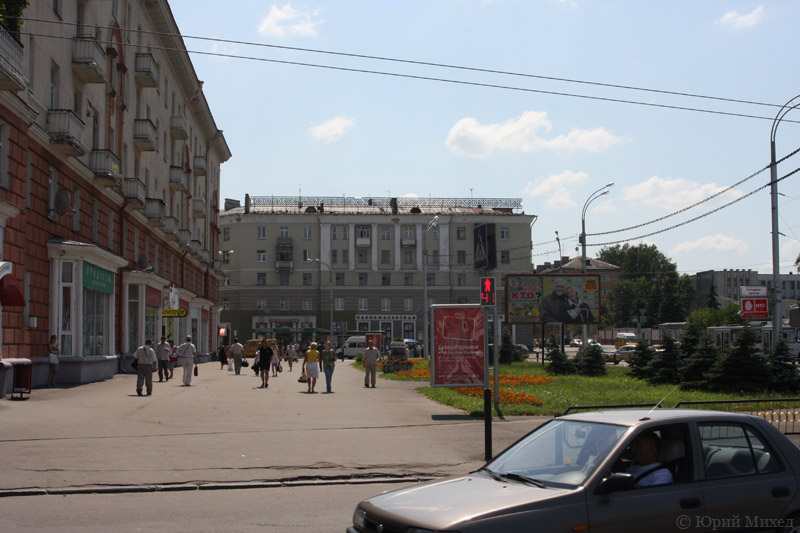
The centre is mostly built up with typical Soviet buildings from the pre-Khrushchev era.
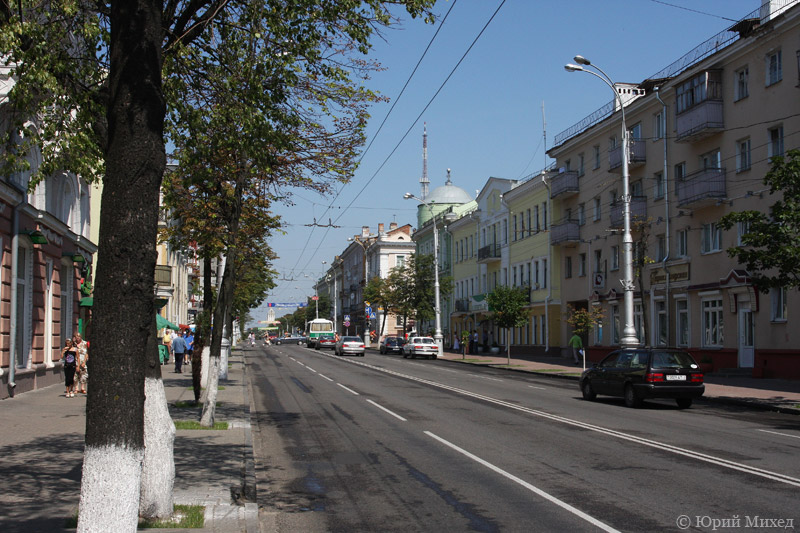
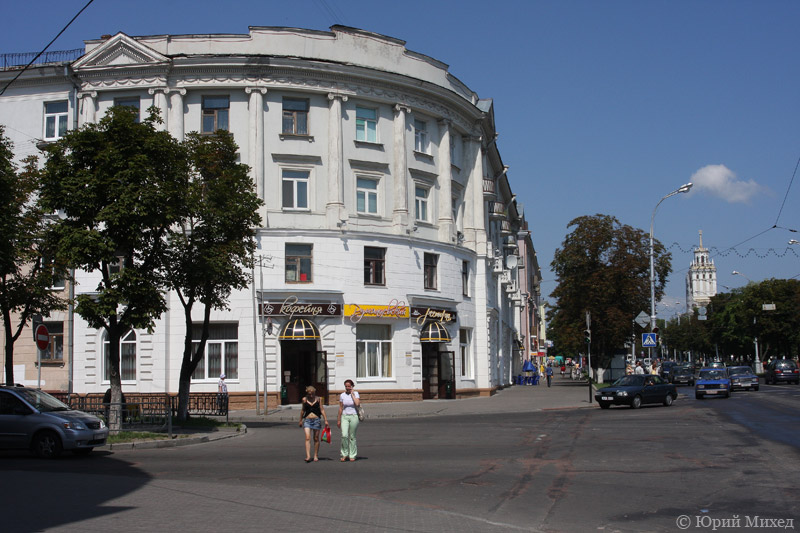
In terms of architecture, Homiel differs very little from other regional centres of the former USSR.
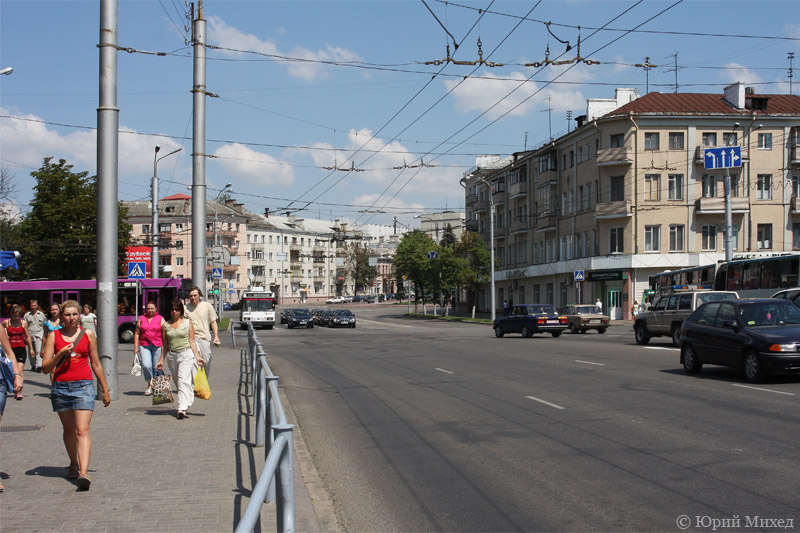
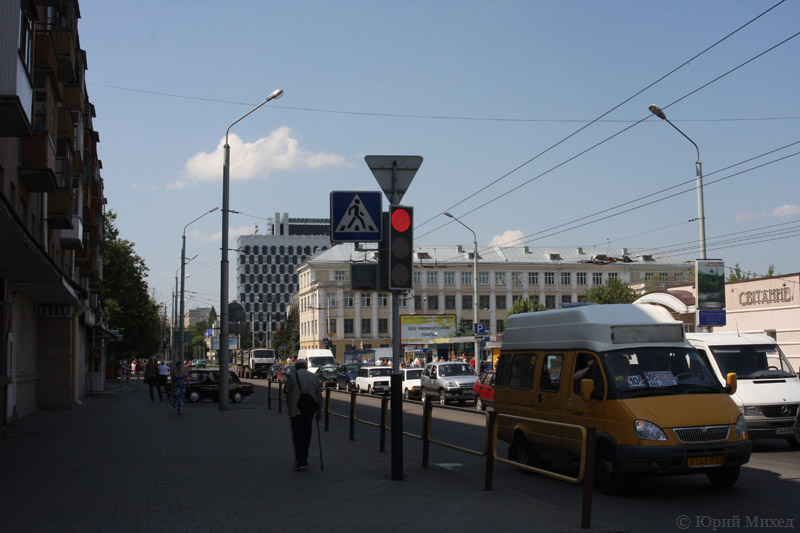
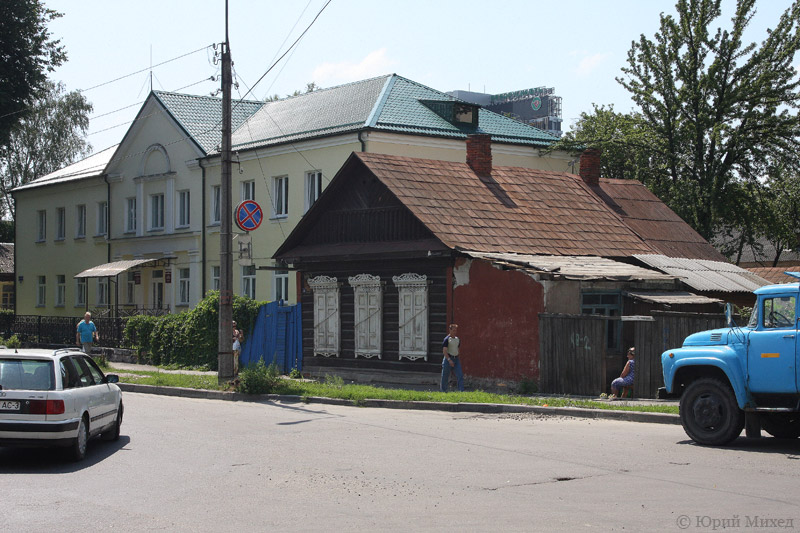
Quite unexpectedly, a private housing sector begins, which occupies a significant area right in the very centre.
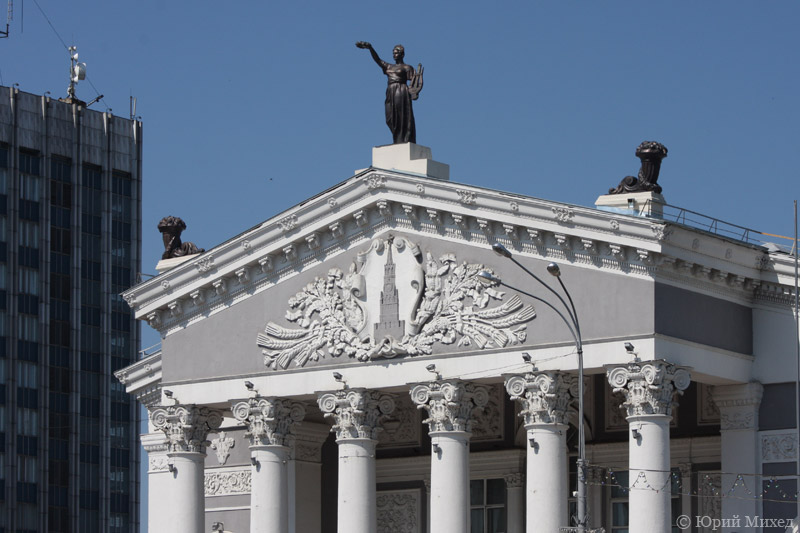
The Drama Theater uses the Kremlin's Spasskaya Tower as its main decorative element instead of a coat of arms or a lyre.
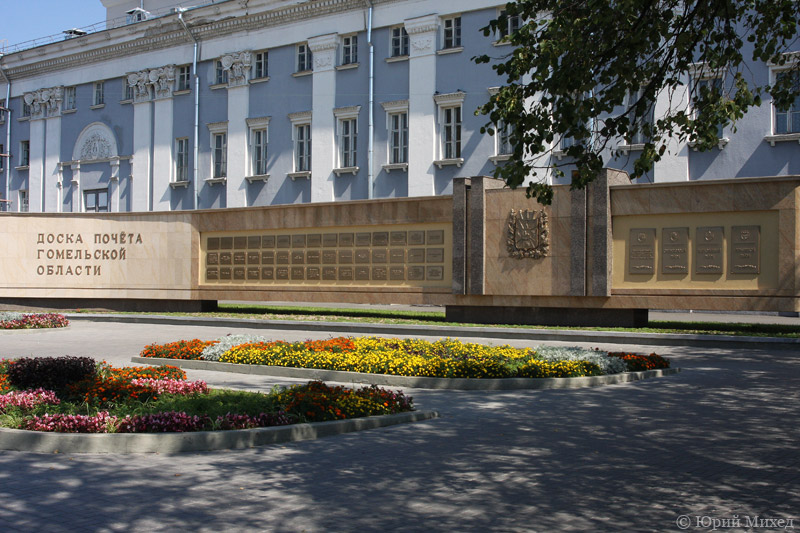
In the post-Soviet space, Belarus has long enjoyed the reputation of being a sanctuary of Soviet life. At first glance, it isn't noticeable, but further observation confirms this opinion. A thin layer of bourgeois cosmetics only slightly covers it up. A characteristic feature of Belarus, inherited from the USSR, is the Board of Honor. The local board somewhat resembles a repository for funeral urns.
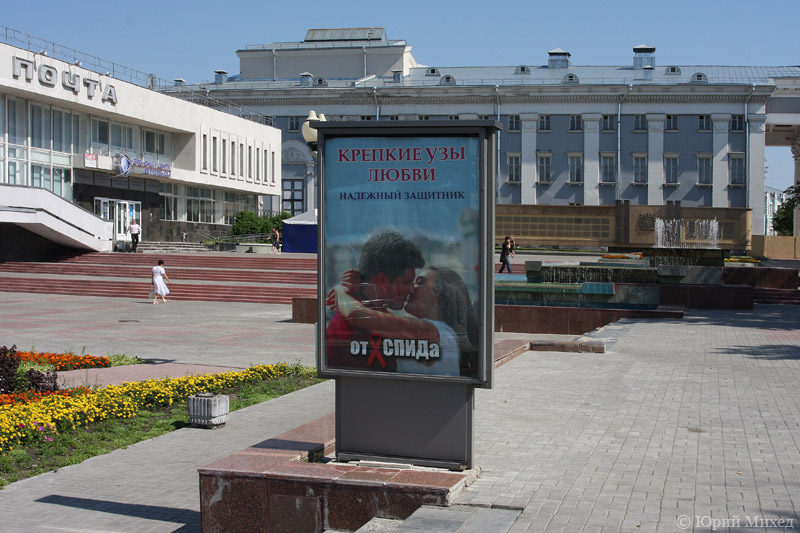
Public service announcements (there is almost no other kind here) appeal to morality.
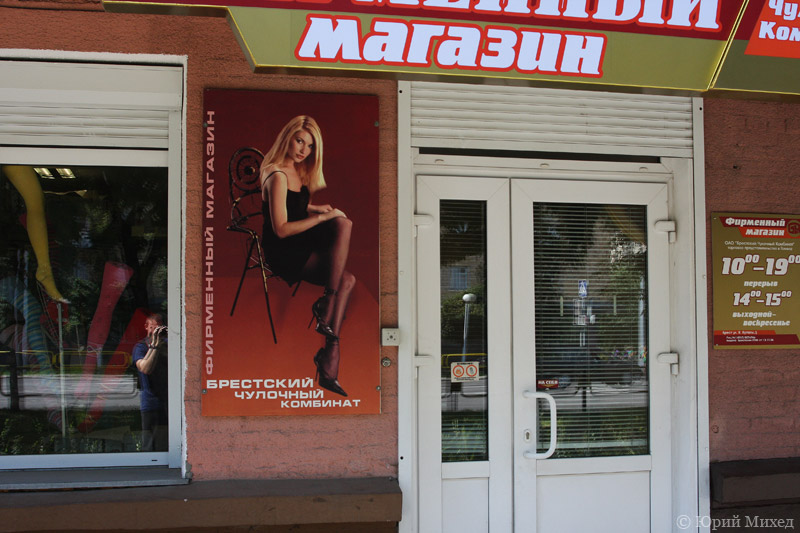
The Brest Hosiery Factory doesn't bother coming up with sensuous or erotic names for its products. And from 2 PM to 3 PM, this store, like most others, closes for lunch — here, such disregard for customers surprises no one.
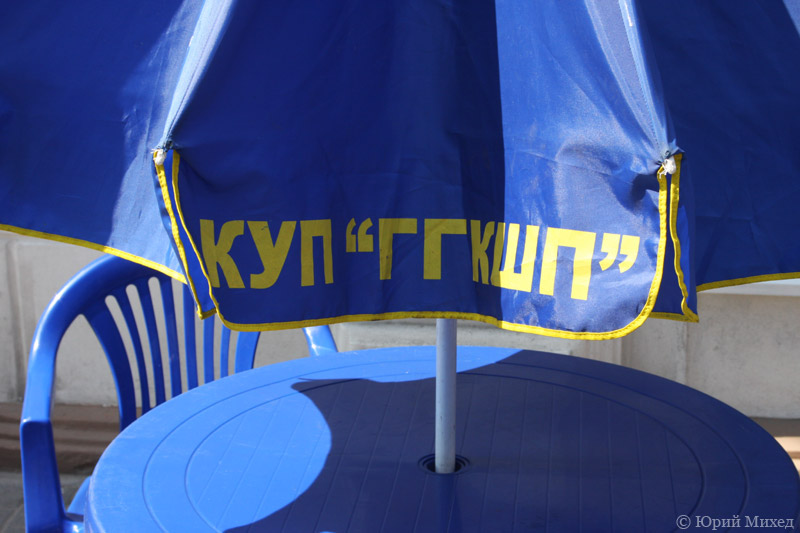
No one is surprised by clumsy abbreviations either, just as words like “gorispolkom” (city executive committee) or “selsovet” (rural council) haven't aged a bit.
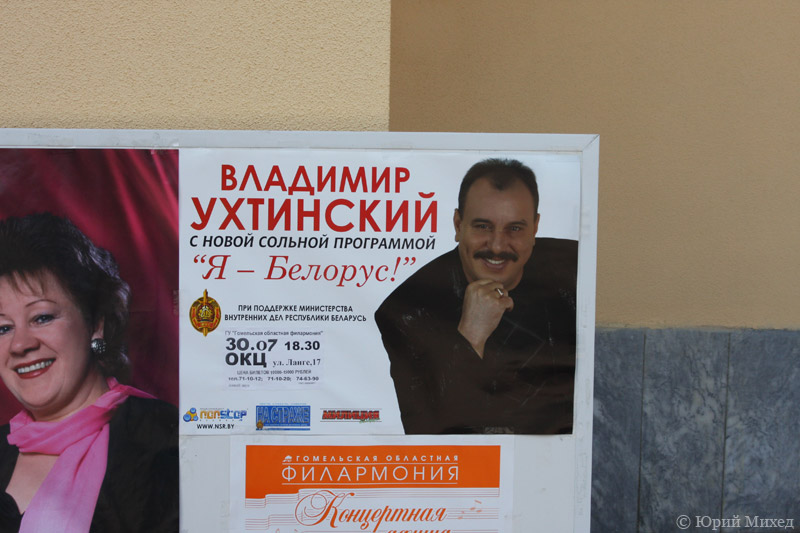
He is a Belarusian. Supported by the Ministry of Internal Affairs of the Republic of Belarus.
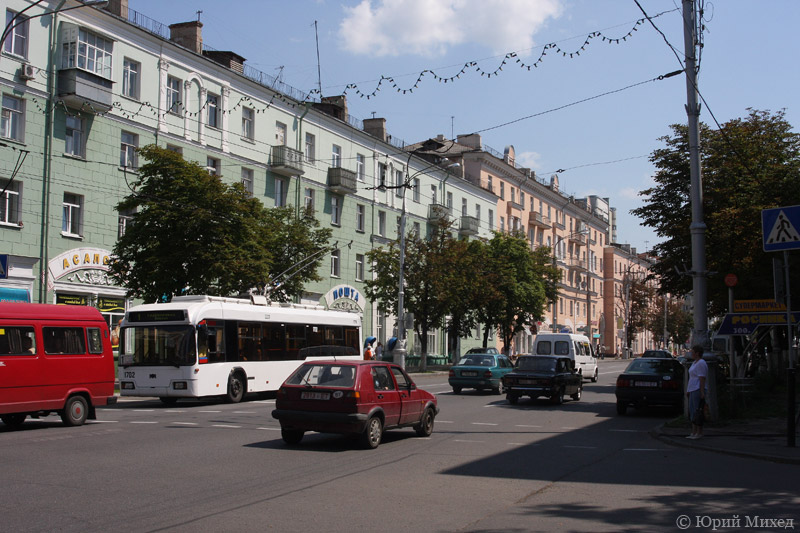
On the other hand, you will rarely see dilapidated ZiU-5 trolleybuses or yellow Ikarus buses on the streets of Belarusian cities — they have all been replaced with new MAZ buses and trolleybuses. Among share taxis (marshrutkas), about half are Russian Gazelles, while the rest are old European or American minibuses.
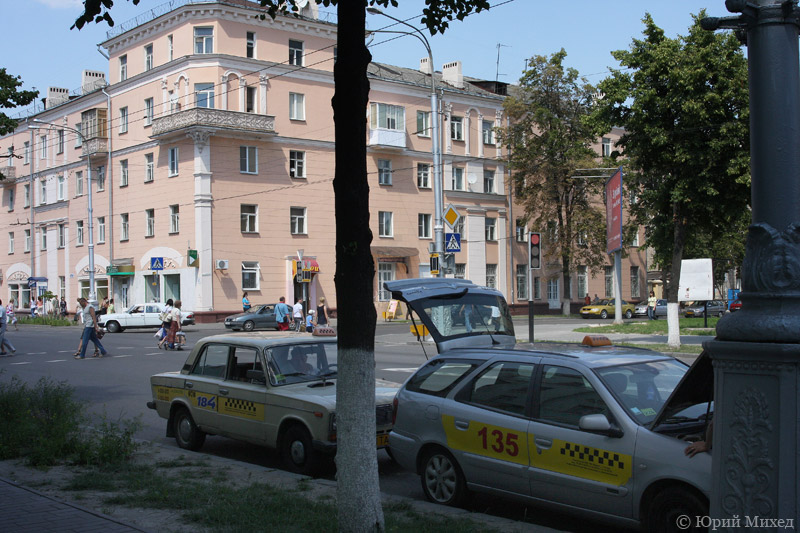
All Belarusian taxi drivers are required to have not only a checkered taxi sign but also a special decal.
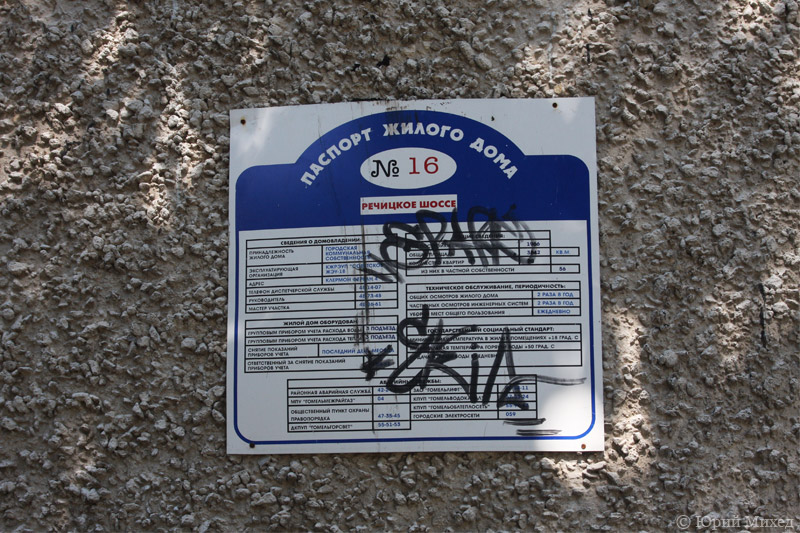
All residential buildings must have a “passport” — a plaque indicating the building's characteristics and the phone numbers of the management services.
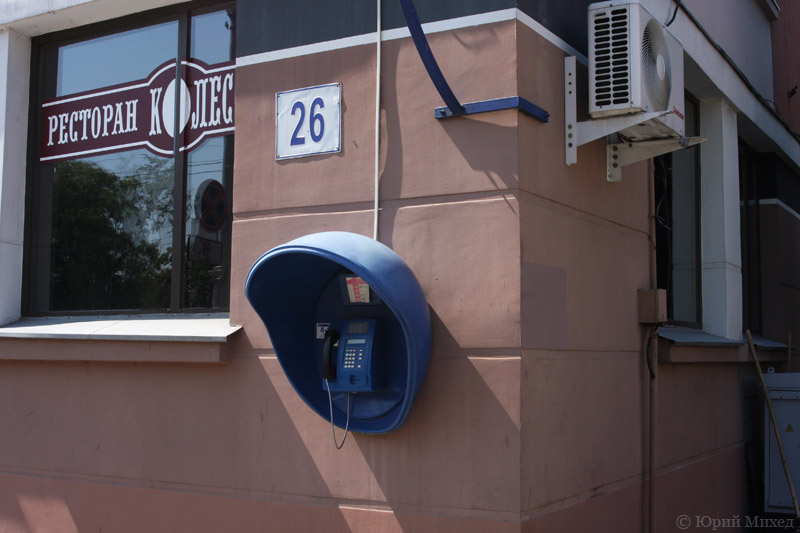
Telephone.
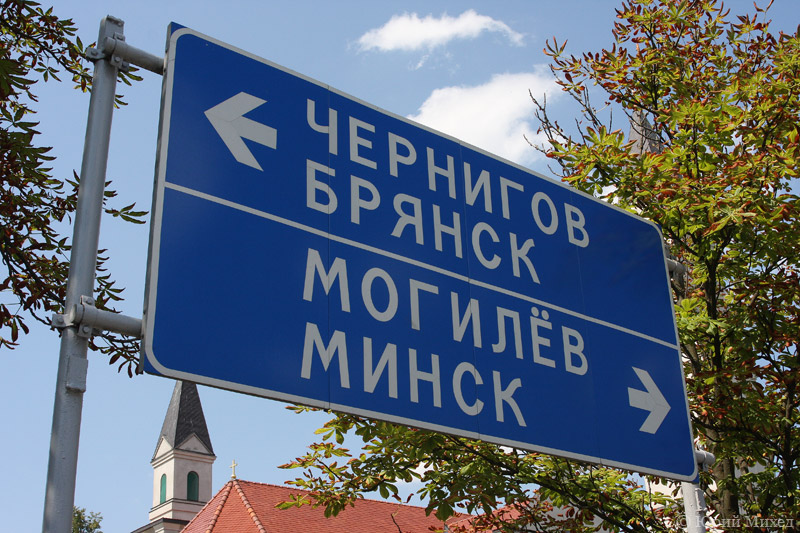
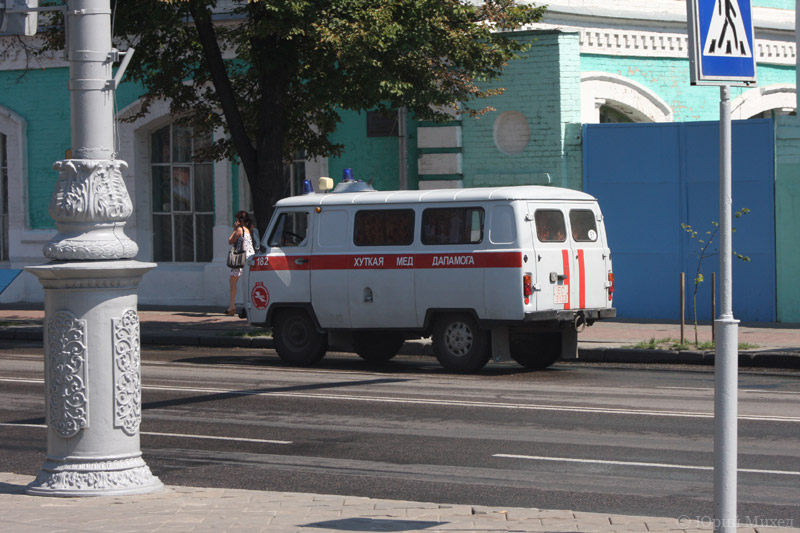
Street signs are written in Russian. Unlike Canada, where everything has to be duplicated in two official languages, one is enough in Belarus. Russian-language signs are gradually replacing Belarusian ones. The Belarusian language is perceived as a sign of being in the opposition, so even speaking it, unless you are a retiree from a village, raises suspicion.
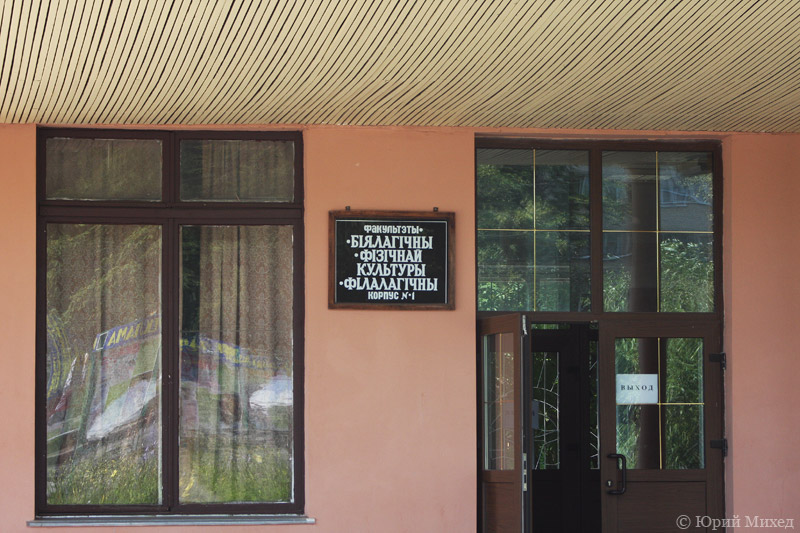
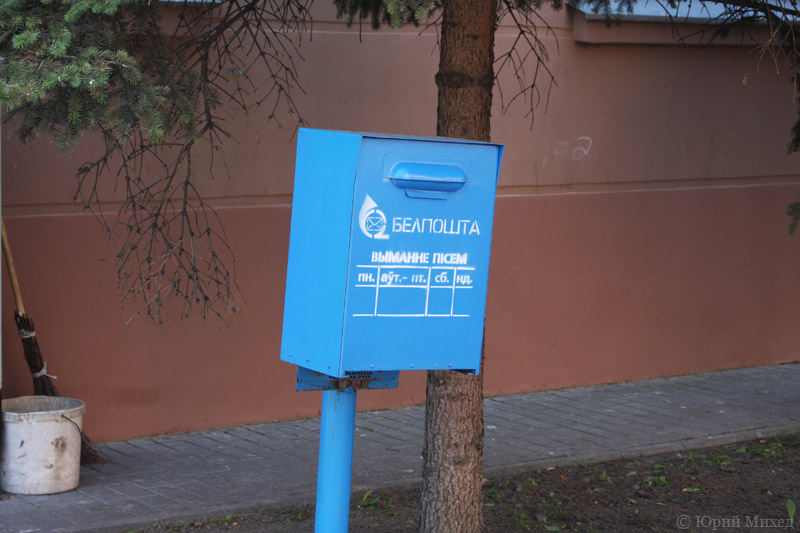
Although sometimes the Belarusian language is still used.
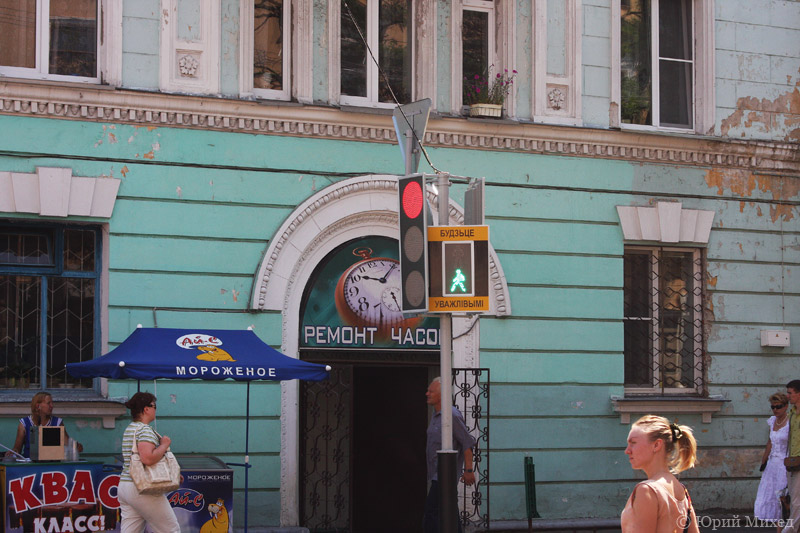
A standard new Belarusian traffic light of local production. Recently, I happened to hear someone admire how in Belarus everyone is urged to be respectful. In reality, the word “uvažlivy” means “attentive” (careful).
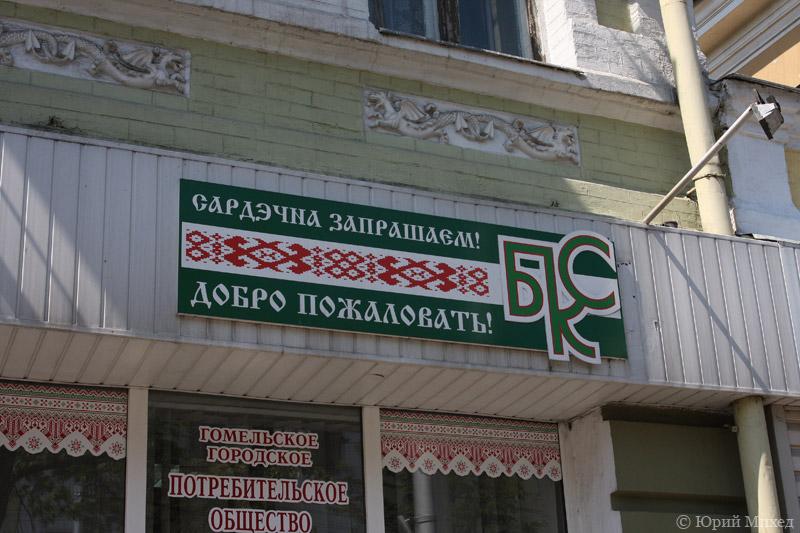
The most popular design element is the ornament from the official state flag. If a sign belongs to an official institution, or if there is a need to emphasize national flavor, this stripe will be present in one hundred percent of cases.
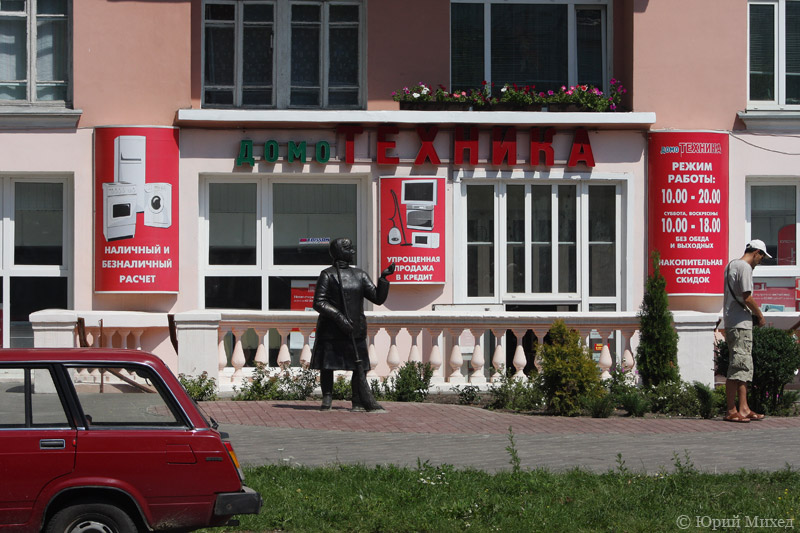
The flag's colours are also popular.
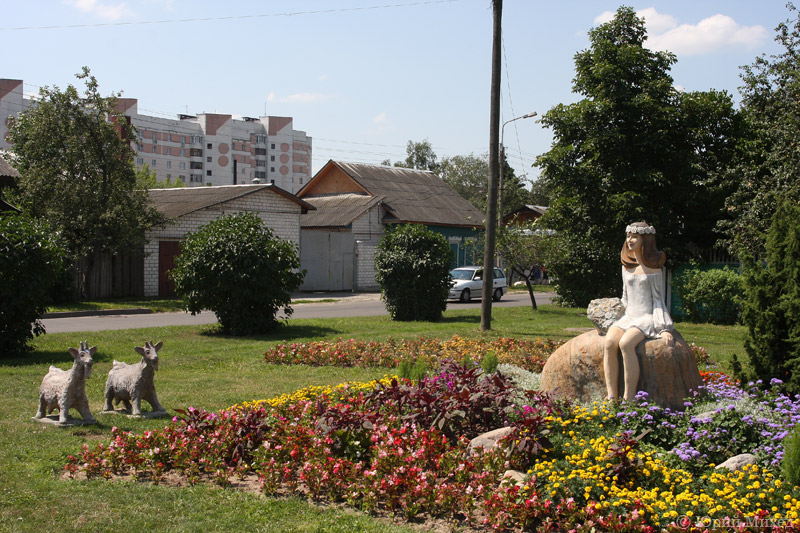
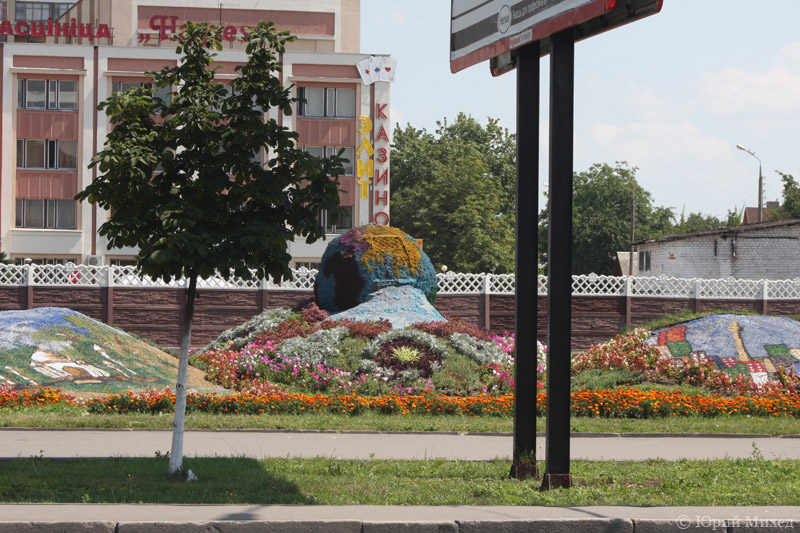
It wouldn't be complete without the signature Belarusian-style landscaping (this composition probably looks very ridiculous in winter).
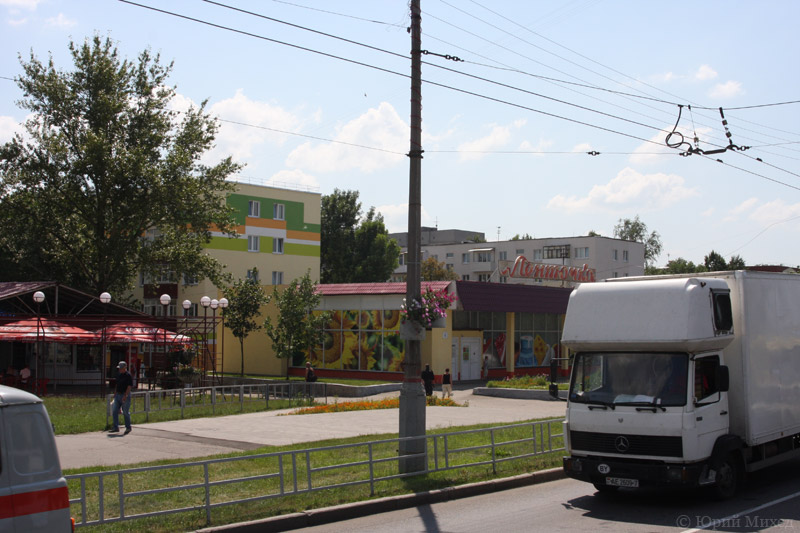
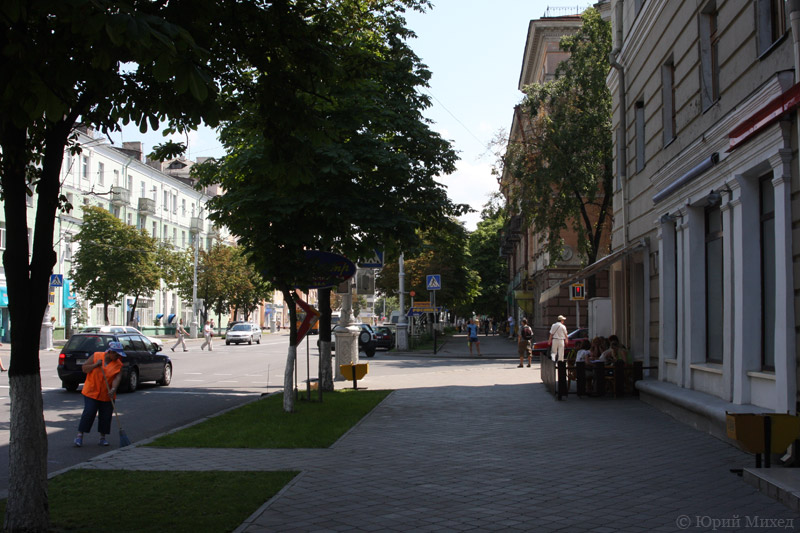
The streets are clean and swept to an absurd degree.
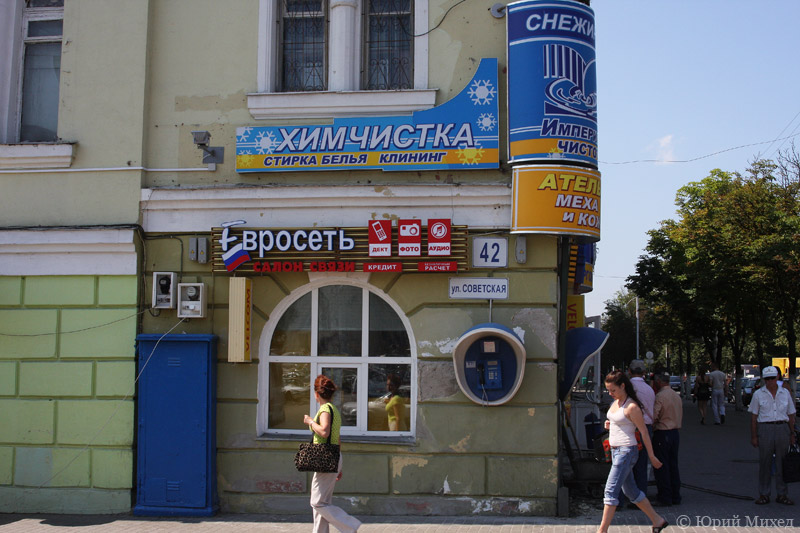
Unlike Ukraine, Euroset is not ashamed of the Russian flag in its logo.
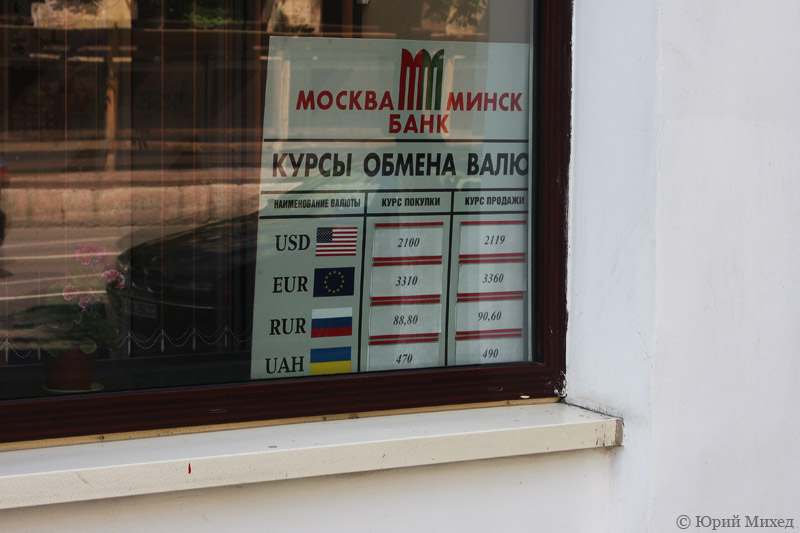
But the Bank of Moscow received an additional letter “M” here, naturally, in green. In currency exchange offices, the Russian ruble is always designated with the old code “RUR” to avoid confusion with the Belarusian one (after the 1997 redenomination, the Russian ruble has the code “RUB”), and it's not even called a ruble. By “rubles,” people mean Belarusian money, while ours are simply called “Russian.” For example, “let me exchange your Russians for rubles.”
They still love Russia here for now.