Exclusion Zone 2. Chernobyl NPP
Kyiv Region, Ukraine, August 2008
Google Maps, Yandex.Maps
Thanks to the team of the Pripyat.com website for organising the trip.
The world's most famous nuclear power plant, the Chornobyl NPP, where that terrible accident occurred, was permanently shut down in December 2000. Nevertheless, many people continue to work there — decommissioning of the station's power units (removal of spent fuel and equipment) is underway, which will last for many more years.
Like the abandoned town of Pripyat, the station is located in the "desiatka" — the 10-kilometre complete exclusion zone. An additional permit is required to enter it from the 30-kilometre zone.
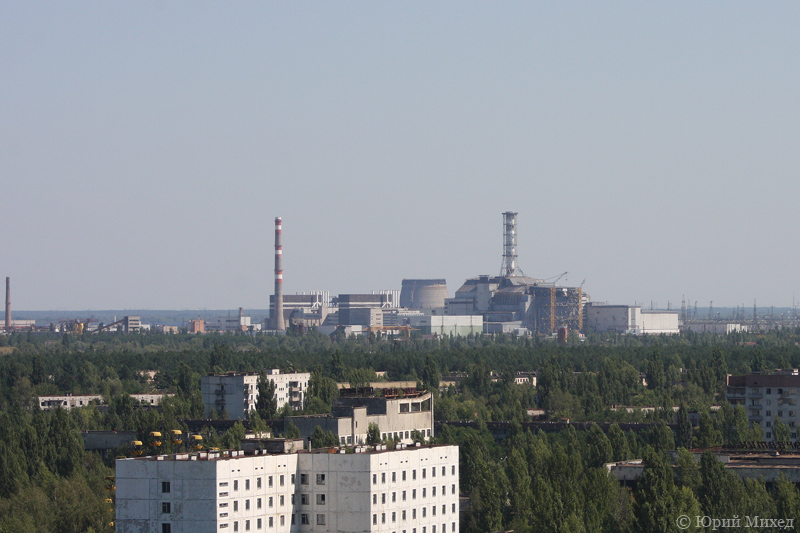
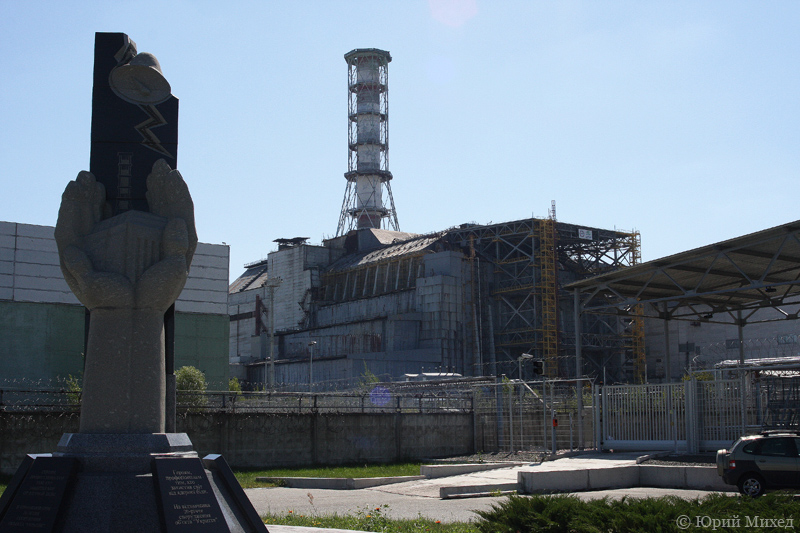
The station is a high-security and heavily guarded facility. Taking photos of it up close is strictly forbidden (naturally, if you get caught doing this, it won't just end with a precautionary chat and deleting the photo from your flash card). An exception is made only for the sarcophagus over the fourth power unit, and only from a special observation deck where a memorial to the fallen liquidators is installed. It is for this very reason that most of the photos you might have seen were taken from this angle. The station is surrounded by high concrete fences, many rows of coiled barbed wire, and high-voltage wires. The steel structure was erected as an urgent measure to prevent the collapse of the sarcophagus, and the construction of the "Shelter-2" facility will begin in the near future, as the existing one is not in the best condition.
Photographing the facility from a distance, however, is not actionable. The closest available point for shooting is a road located at some distance from the side of the turbine hall, where the turbogenerators are installed.
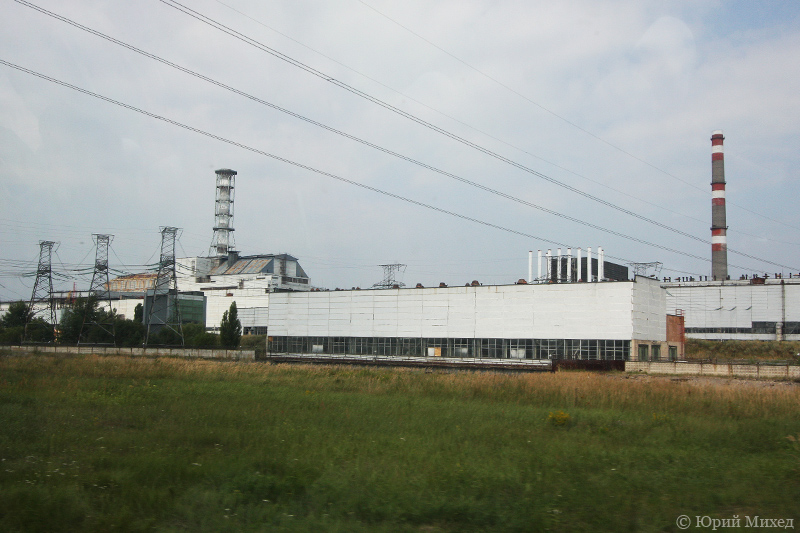
On the other side of the road, one can see the unfinished ISNFS — an interim spent nuclear fuel storage facility. Mistakes were made by the French during the construction of the facility, making its commissioning impossible.
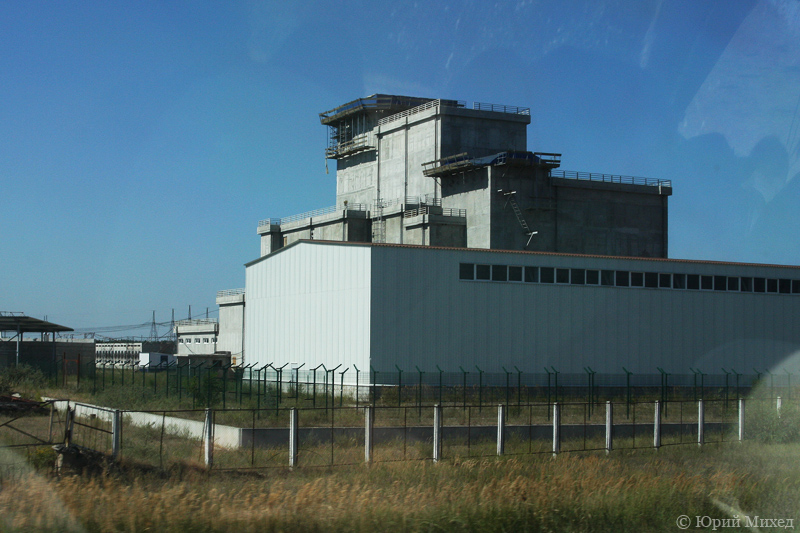
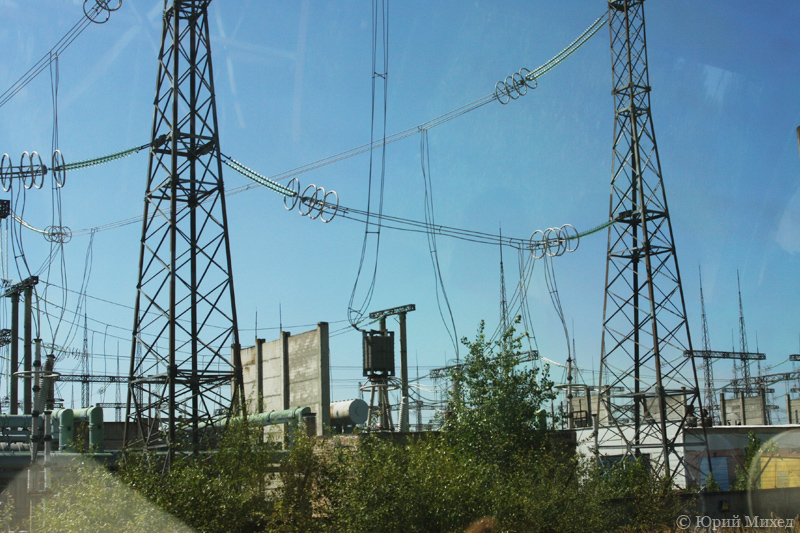
Various transformer structures.
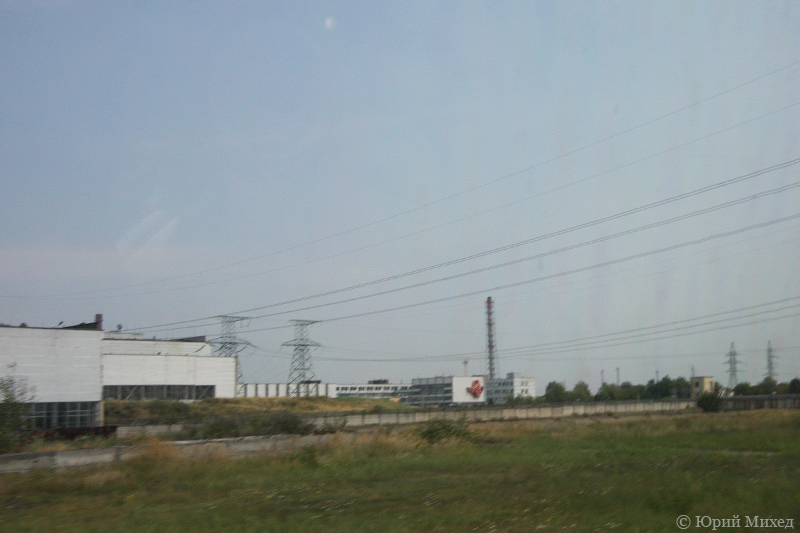
The station's administration buildings (I apologise for the poor quality of the picture, which was taken on the move from a window). The chimney belongs to a thermal power plant hidden behind them, built to power the shutdown nuclear power plant.
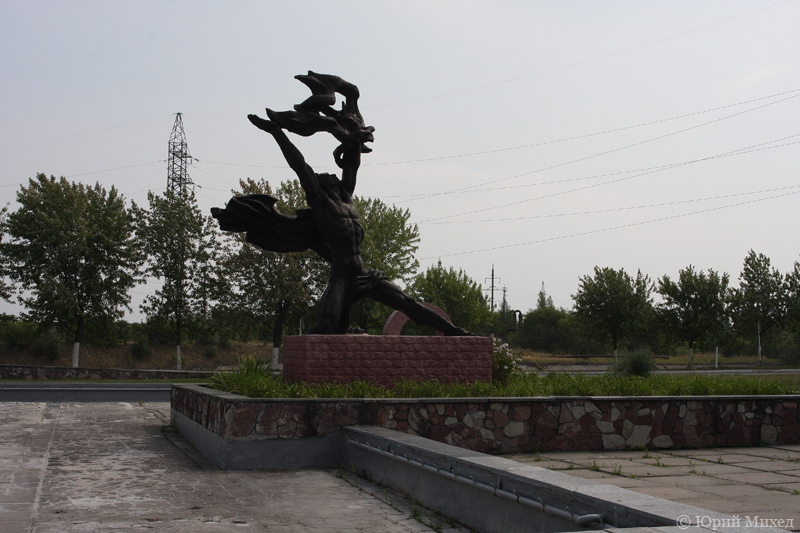
The monument to Prometheus, which used to stand near the cinema of the same name in Pripyat, is now located at the entrance to the station.
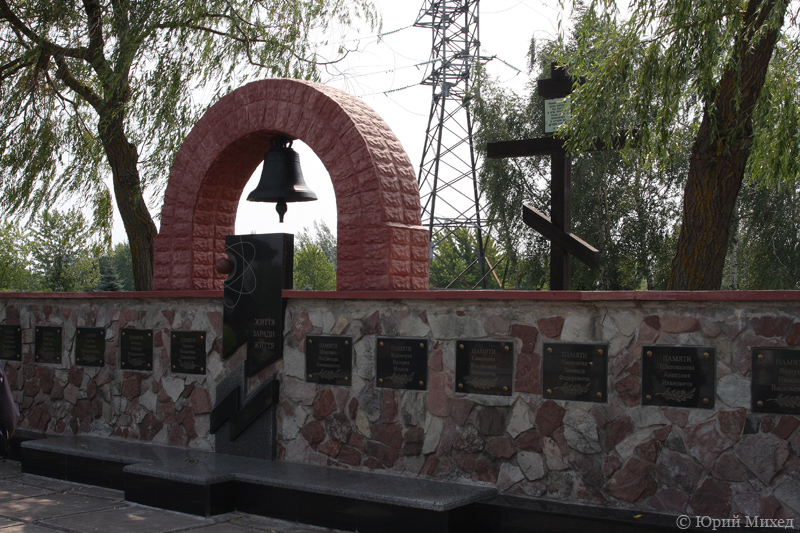
Another memorial to the victims of the tragedy is located there as well.
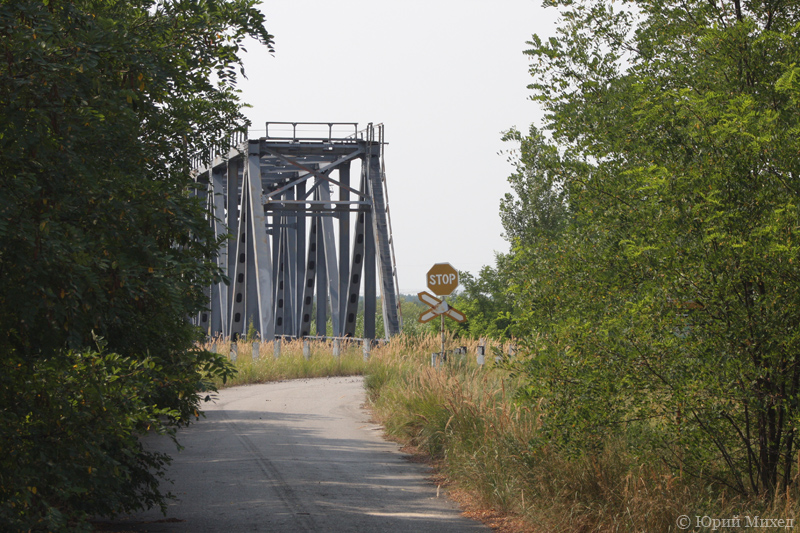
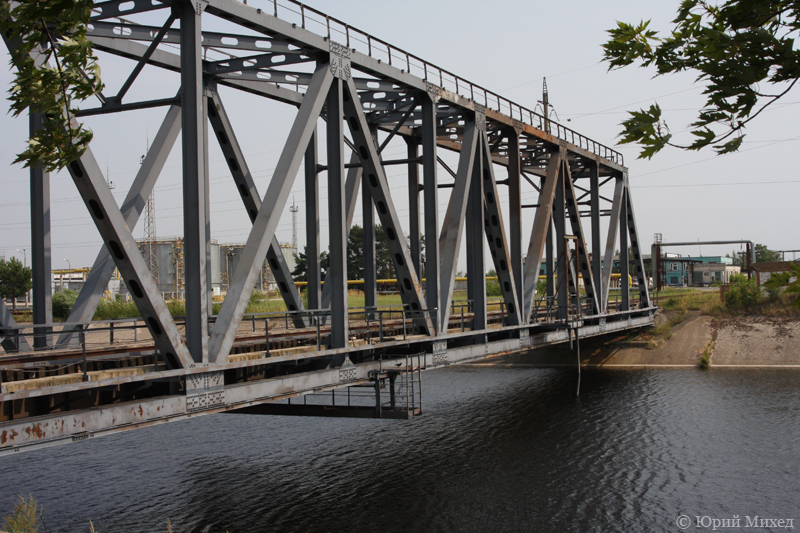
A few metres away is a railway bridge, from which everyone feeds the giant wels catfish living in the contaminated cooling pond. The pond is simply teeming with fish, which, for obvious reasons, nobody catches.
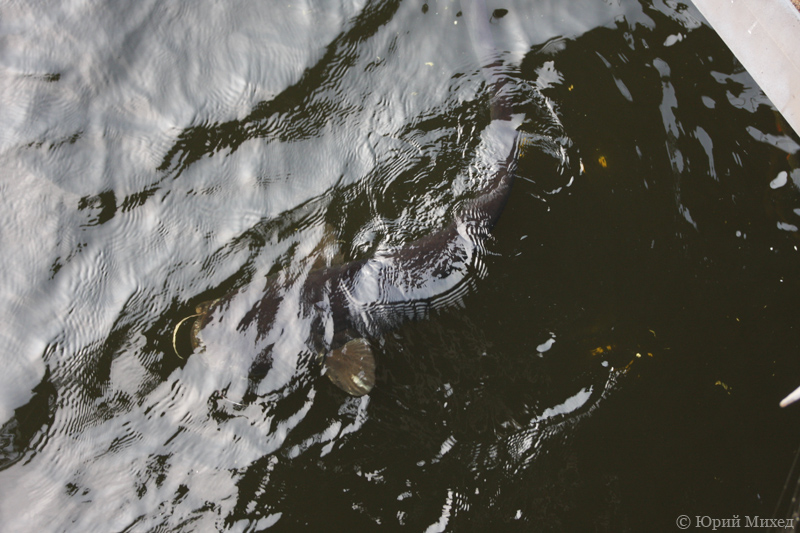
It is difficult to convey the size of the catfish in a photograph, but any angler, upon encountering one, would be less delighted and more frightened. Of course, the catfish grow large not from radiation, but from the "anthropogenic factor" that no longer threatens them.
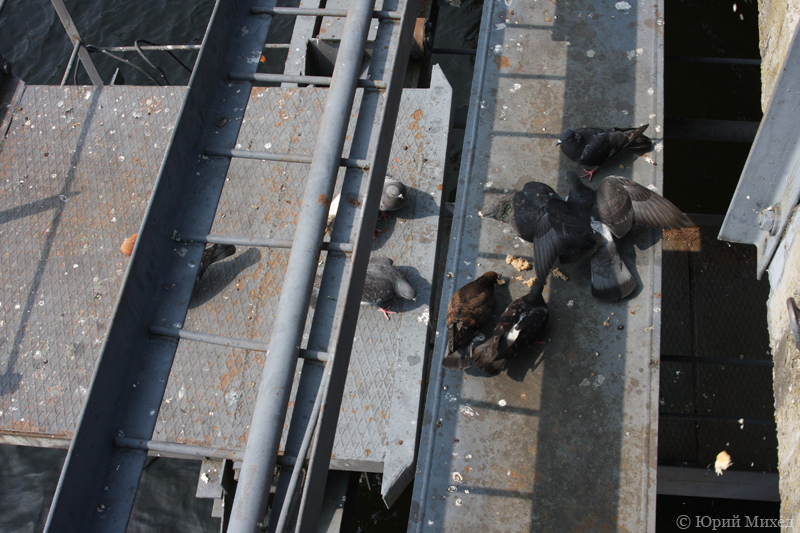
Some creatures have a very good life here. In principle, radiation does not affect animals in any way — in the harsh conditions of the wild, offspring with deformities die in the first days of life, while normal individuals simply do not manage to live to the age when the impact of an elevated background level could affect their health.
The Chornobyl nuclear power plant was planned as one of the most colossal construction projects of socialism. Upon completion, it was supposed to feature twelve power units and become the largest in the world — something only the Soviet Union could afford. In the hot April of 1986, the so-called third stage — the fifth and sixth power units — was being erected. But the accident shattered all plans, and the cranes froze forever next to the unfinished concrete giants.
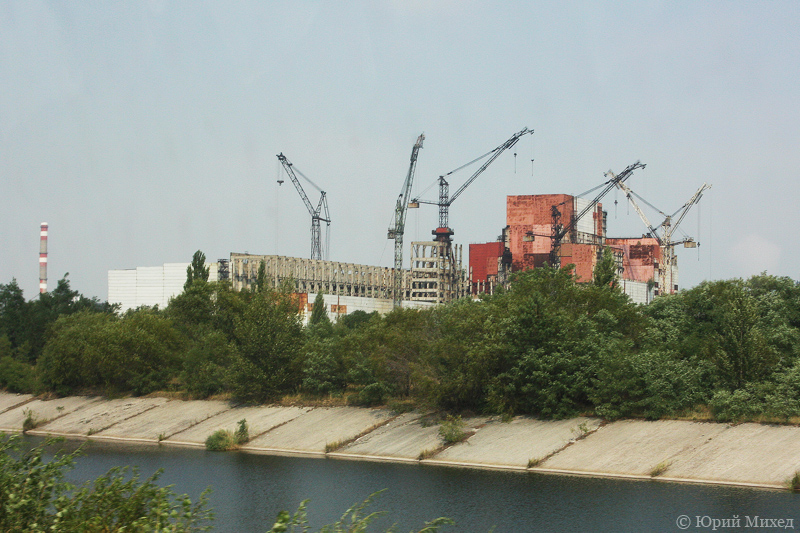
Behind them are the unfinished cooling towers.
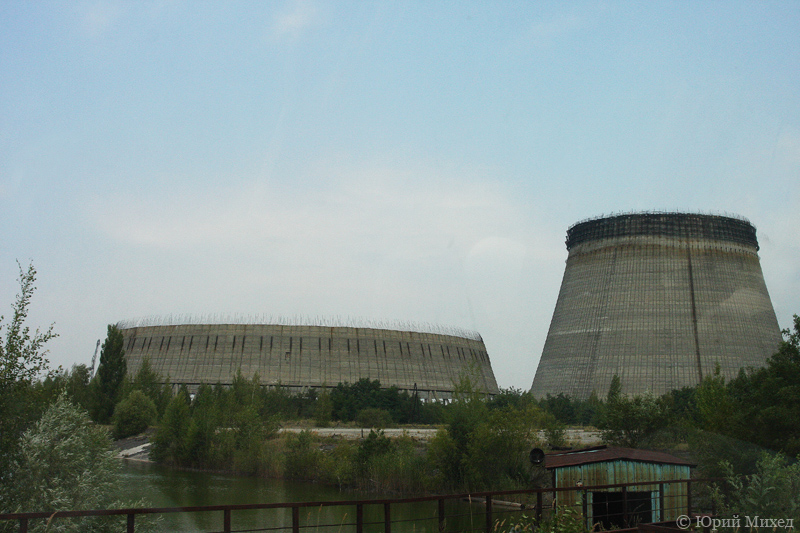
The purpose of the cooling towers is to cool water. It rises to the top through pipes and then flows down the walls, losing heat. In the background in the bottom left corner, one of our guides can be seen, Serhiy from the Ministry of Emergency Situations of Ukraine. The size of the structure is not fully conveyed in the photograph, but you can appreciate it from Sergey's figure.
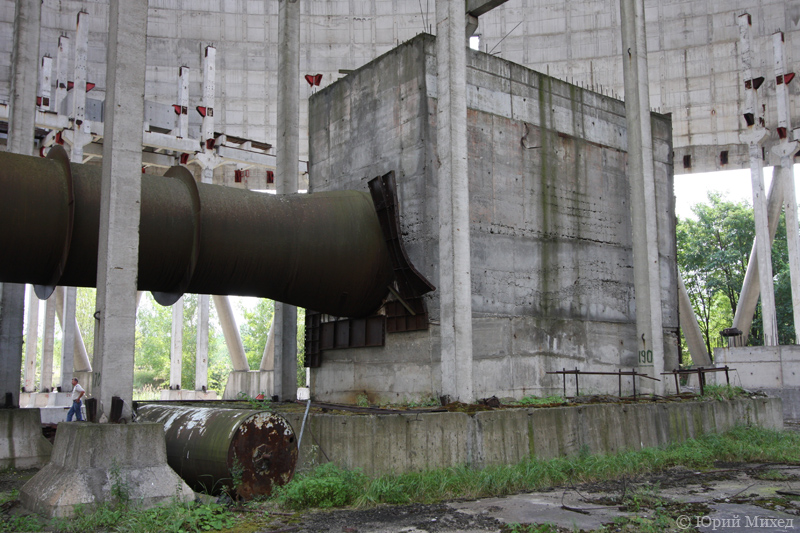
The entire structure is a monolith — first a metal frame is erected, then it is poured with concrete. Abandoned scaffolding can be seen at the top.
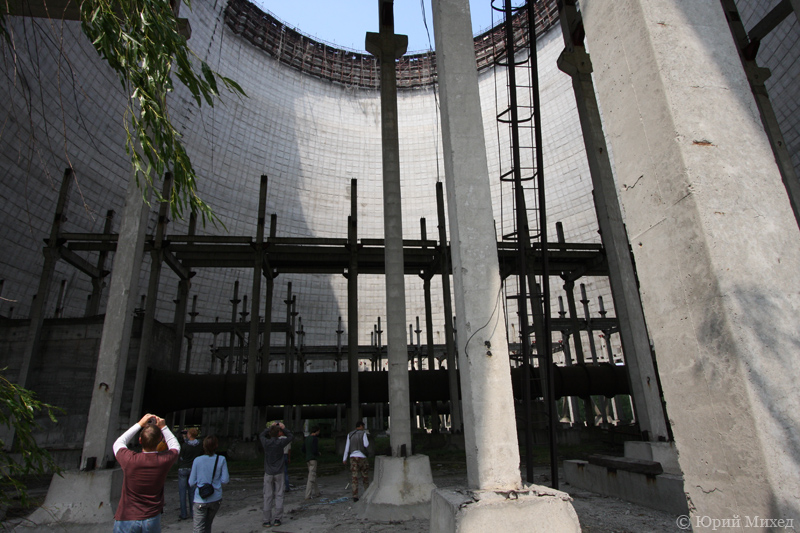
It was not advisable to stay here for long — the dosimeter was showing around 500 microroentgens per hour.