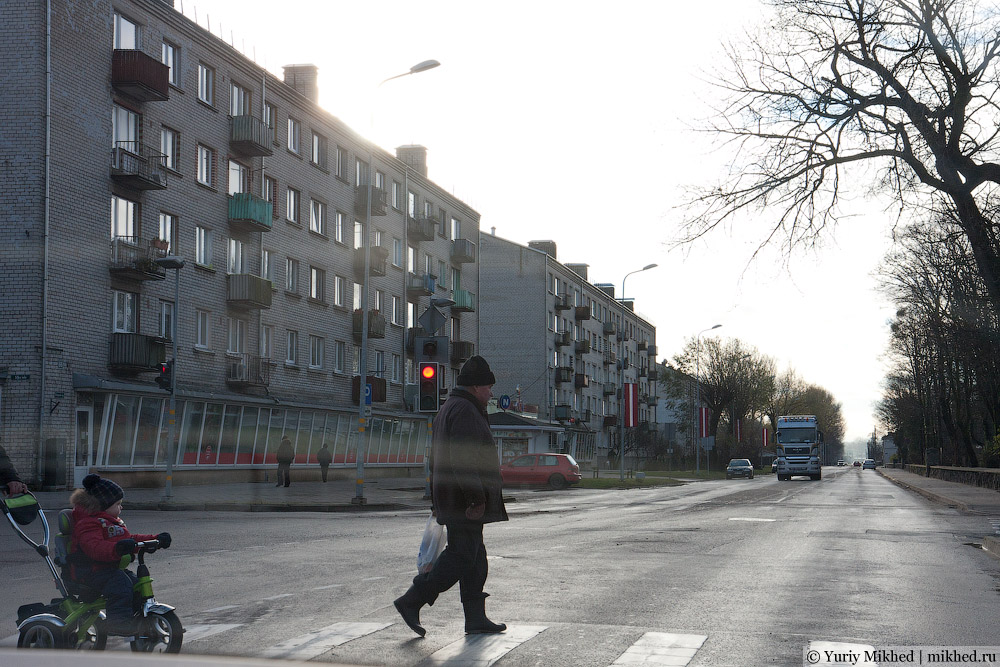
Liepāja, Karosta neighbourhood
Kurzeme, Latvia, November 2017
Google Maps, Yandex.Maps
If you have come to Latvia for a short time and are choosing which single city to see besides Riga, it is best to go to Liepāja. It is easy to get here (you can even take a plane from Riga), and the city itself is very beautiful and interesting. Austris and I drove from Jelgava in 2 and a half hours, despite getting caught in a snowfall on the way.
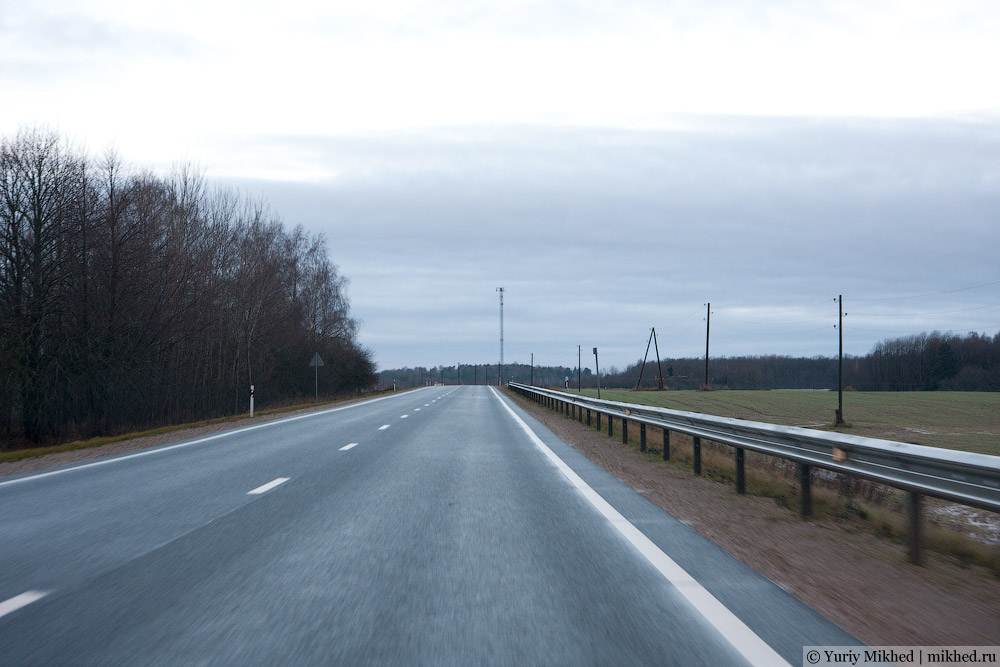
All regional routes in Latvia are two-lane (four-lane highways with a central reservation are found only in the vicinity of Riga). The quality of the roads is high — the tarmac is smooth, barriers are often installed on the sides, the road markings are fresh everywhere, and there are plenty of signs and indicators. There will be a separate post about the roads.
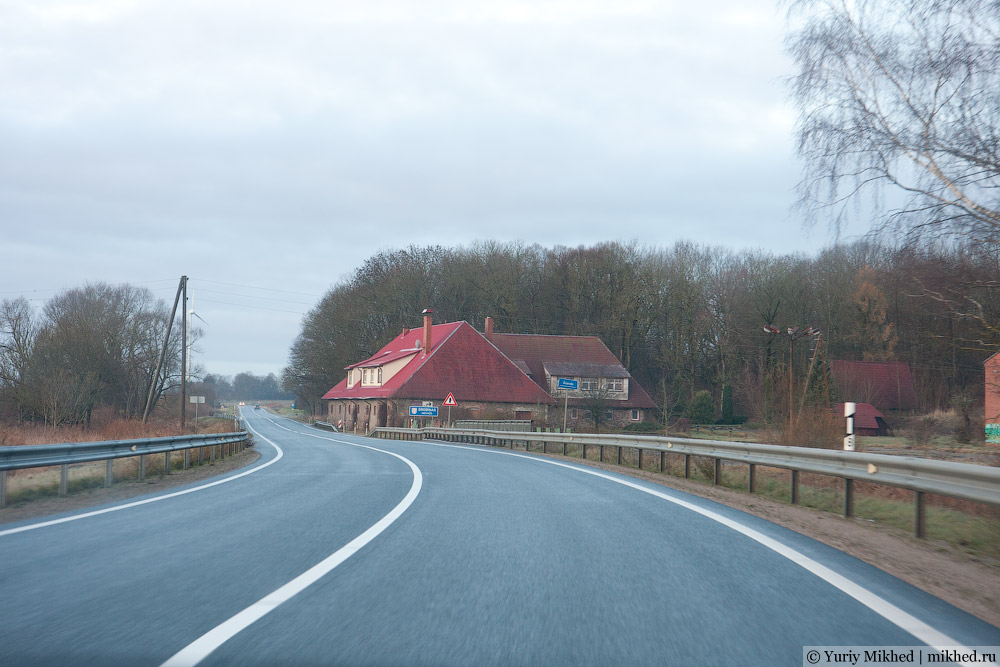
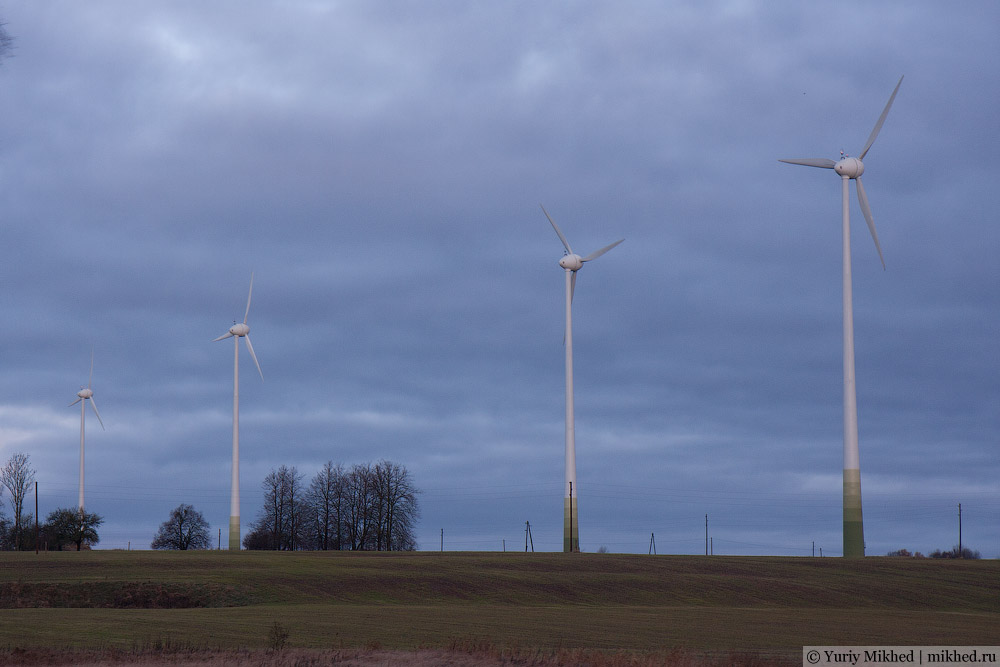
Closer to Liepāja, wind turbines can be seen. The city stands on the coast of the Baltic Sea, from which strong winds constantly blow (this has even been reflected in the culture, but more on that later).
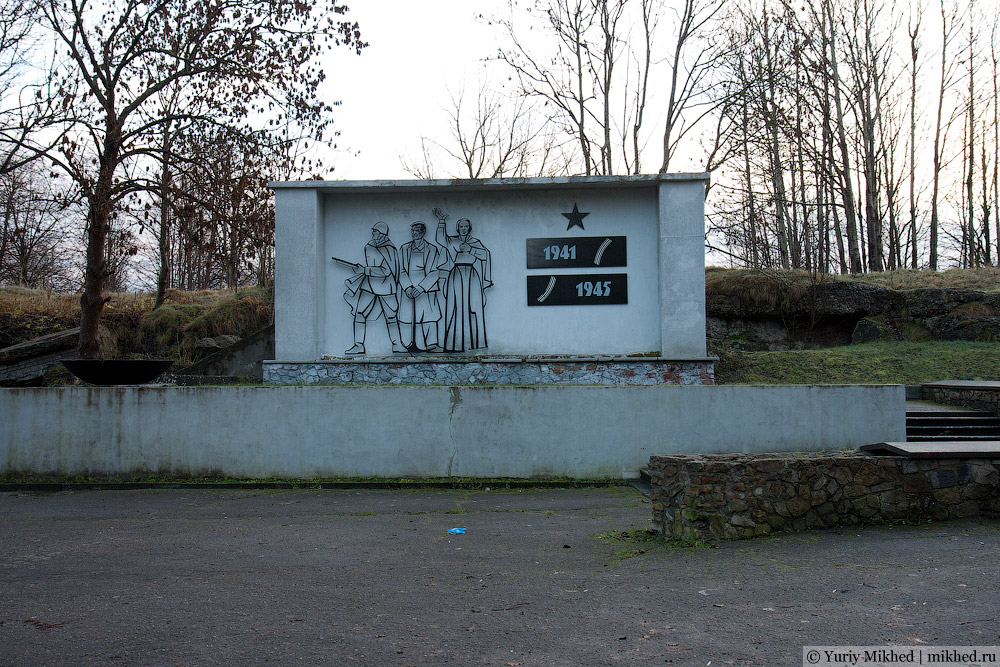
In a grove near the entrance to the city lies an abandoned Soviet memorial. Soviet monuments in Latvia are not maintained or repaired in any way, which causes them to gradually crumble over time.
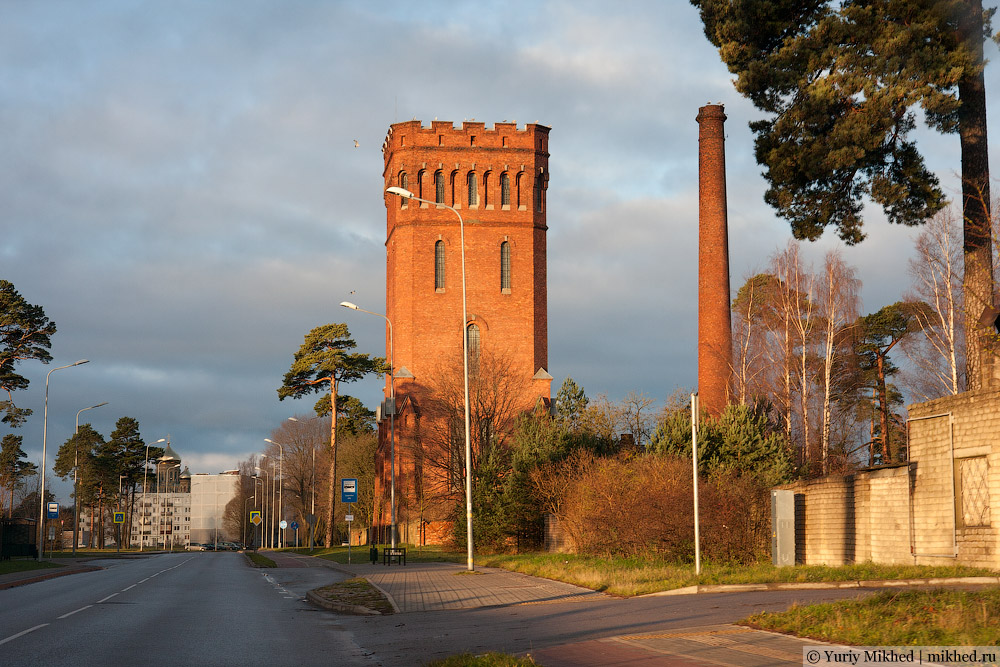
We enter the city from the north, where the Karosta district is located (Karosta translates from Latvian as "war port"). The port was built between 1890 and 1906 as a Russian naval base and was named after Tsar Alexander III, who founded it. In the Soviet era, it was used by the Baltic Fleet of the USSR. We drive past an old water tower.
In the 1960s and 1970s, a panel housing estate was built for the military and their families. After the withdrawal of Soviet troops, the population of the district plummeted, while unemployment, crime, drug addiction, and other social ills rose sharply. The area is still considered very deprived, and the inhabitants are predominantly Russian-speaking. It looks extremely depressing.
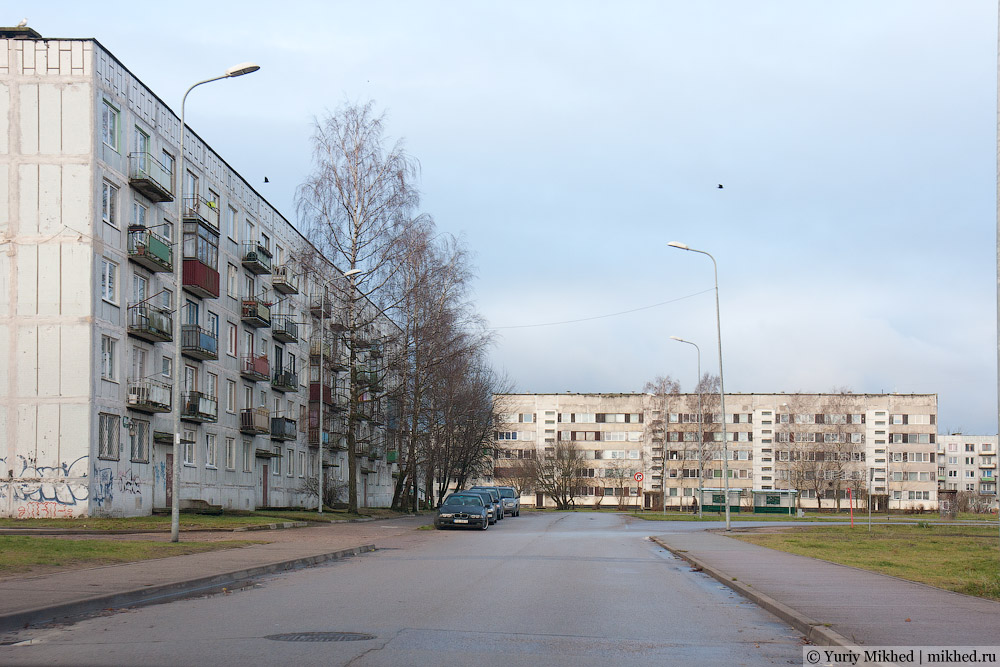
Nothing but shabby panel blocks and wasteland.
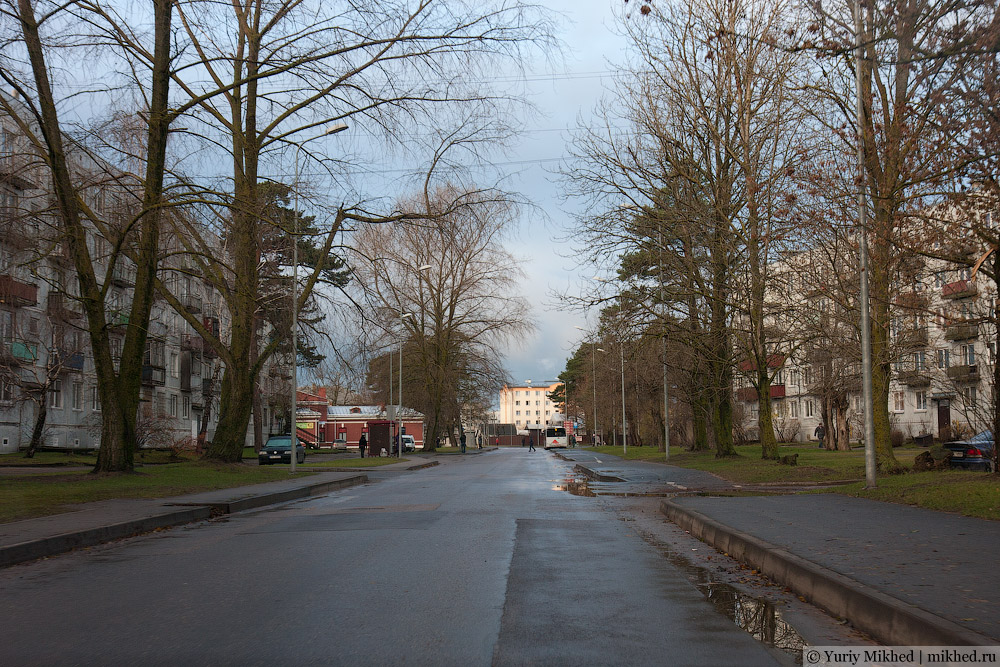
I cannot imagine what anyone could do here.
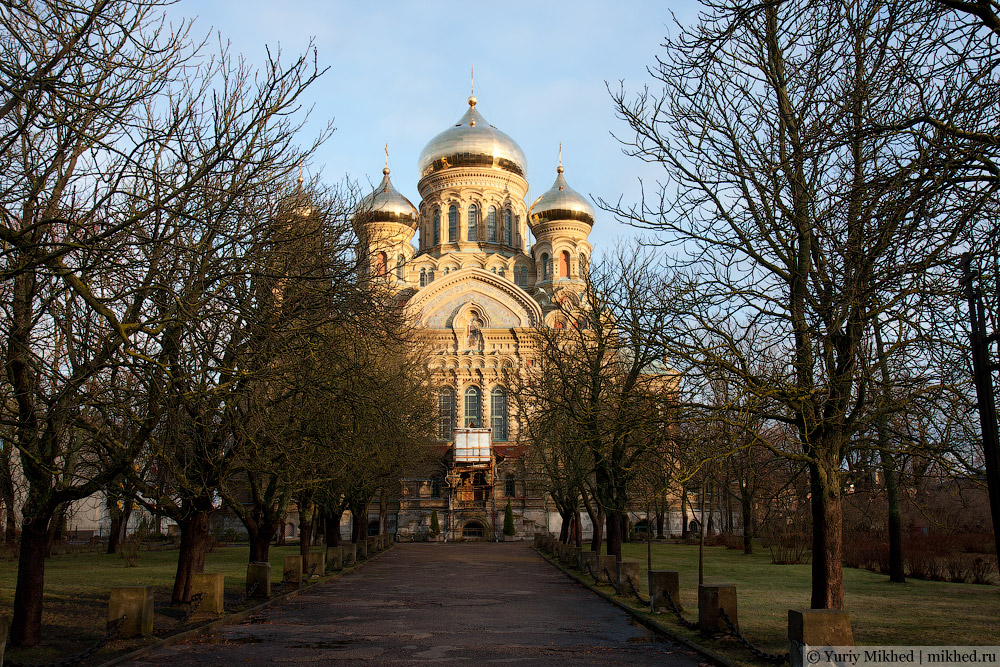
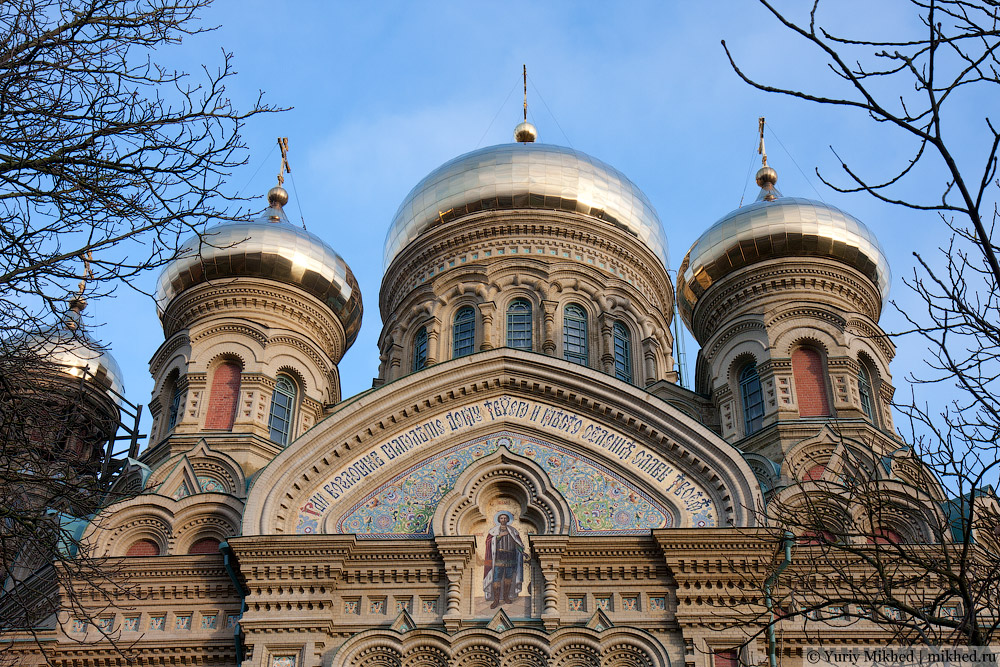
This district, however, boasts many attractions. One of them is a large Russian church, the St Nicholas Naval Cathedral, built between 1900 and 1903 according to a design by V. Kosyakov.
In Latvia, photography is forbidden in absolutely all churches (regardless of religion). Right at the entrance, and sometimes even on the doors, there will be a sign notifying visitors about this. It is unclear why this is necessary. I am not doing it during a service, and I am not disturbing anyone.
A multitude of historical buildings from the late 19th and early 20th centuries have remained from the Russian garrison, including barracks, admirals' mansions, various outbuildings, and even a palace where the Tsar stayed only once. Some of the buildings are in use.
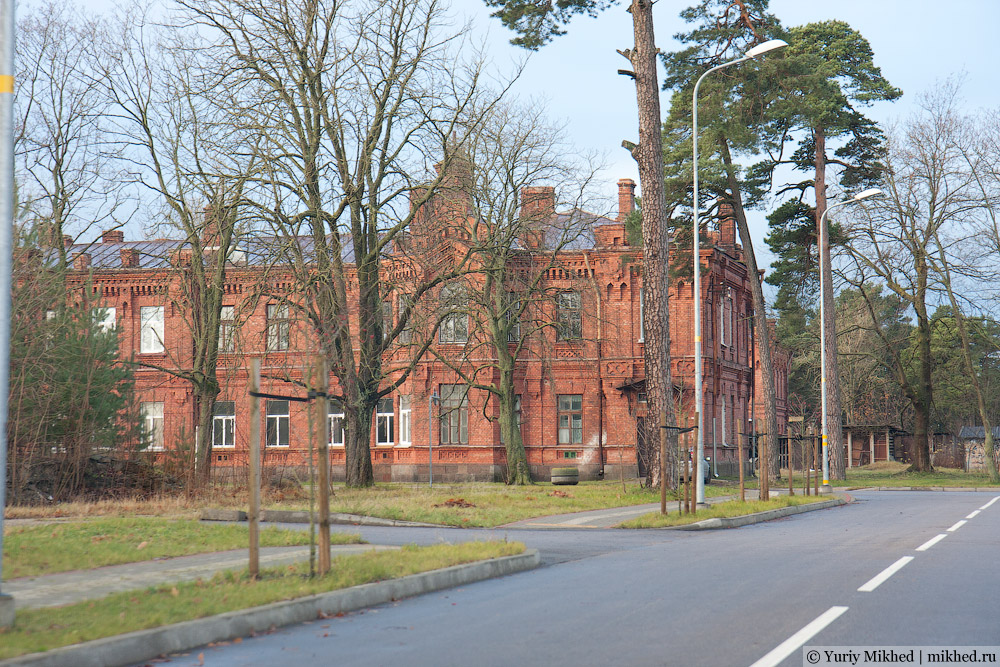
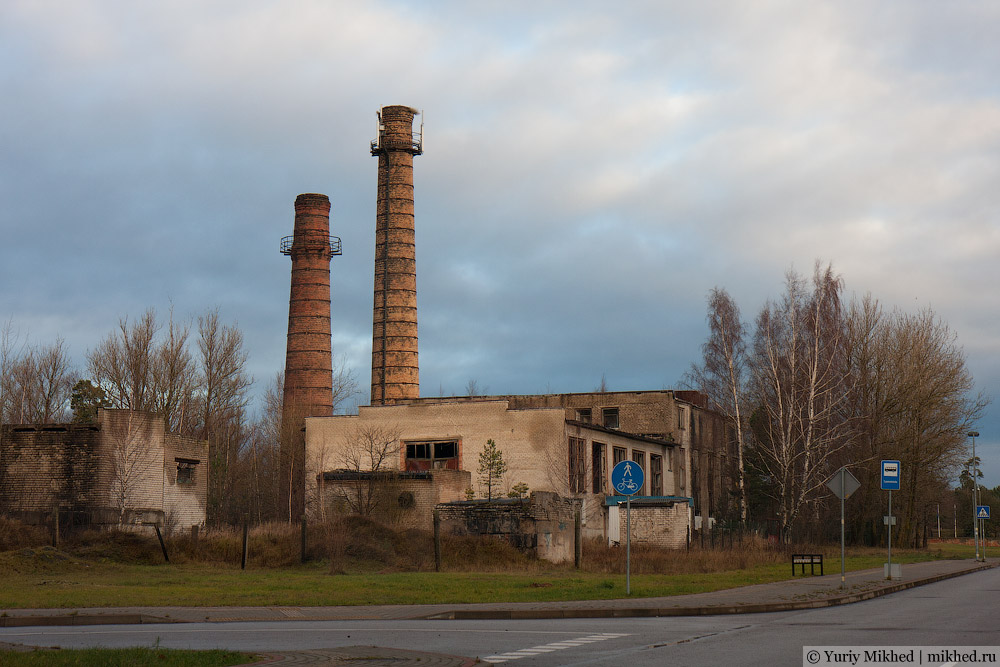
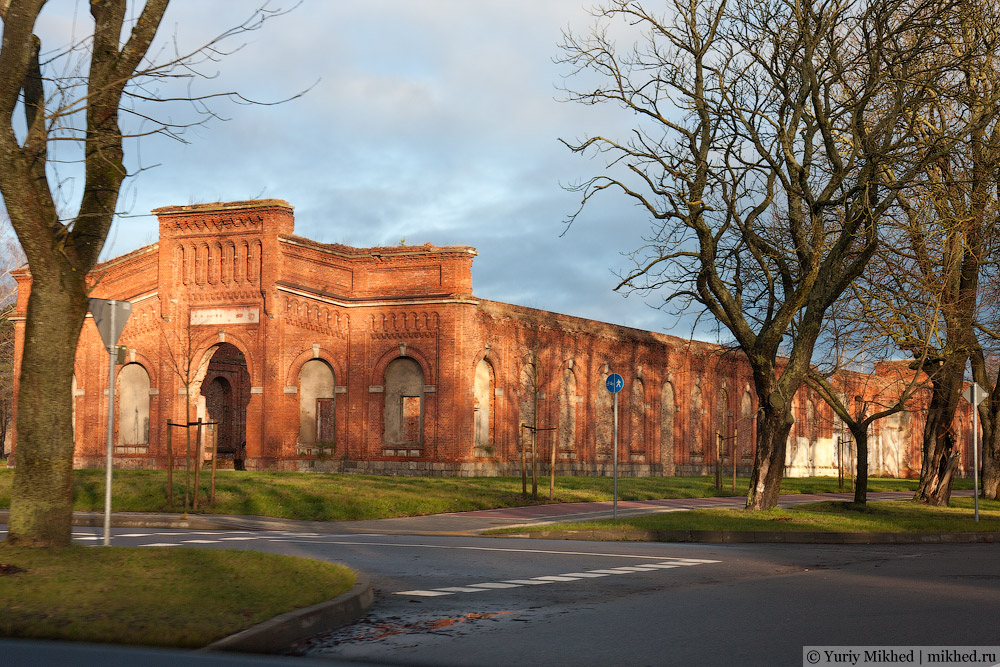
But the majority were abandoned after the withdrawal of Soviet troops.
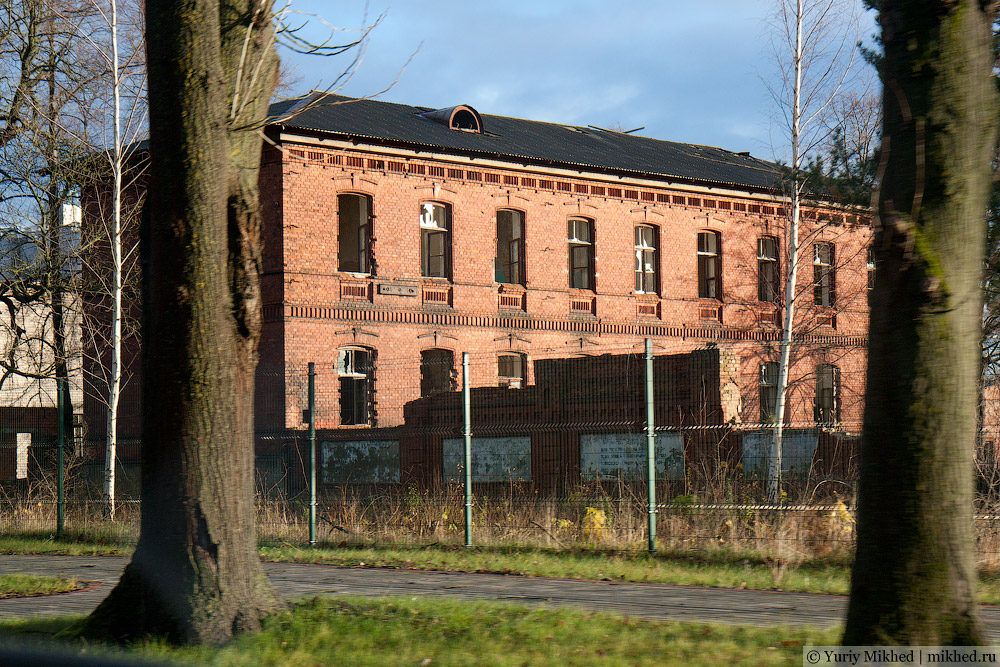
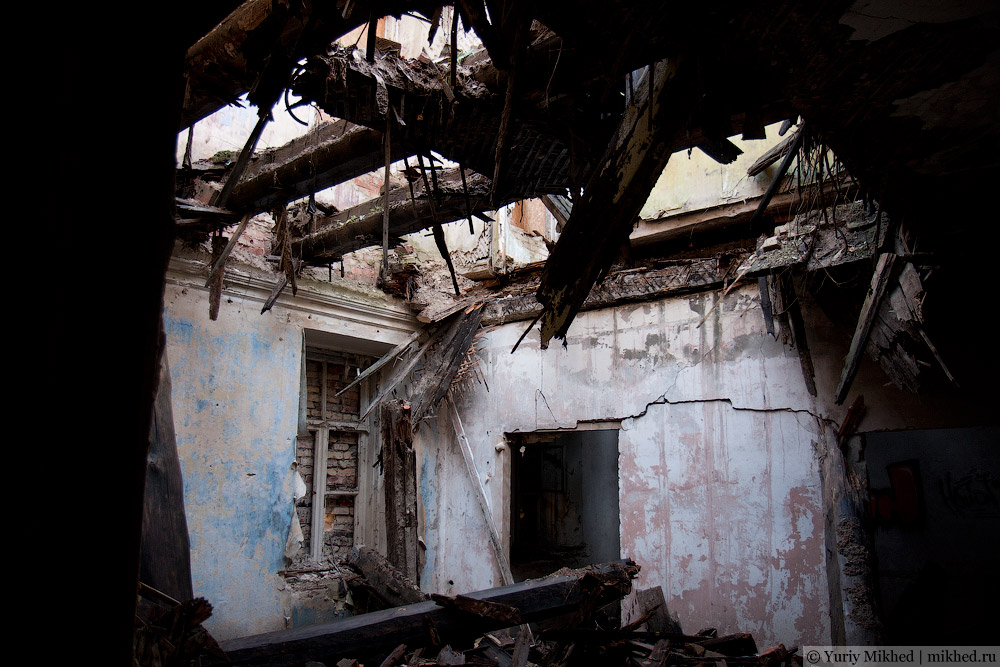
You can enter some of them, though there is nothing to look at inside.
There used to be a riding arena here in Tsarist times.
And here was a boiler room.

Graffiti.
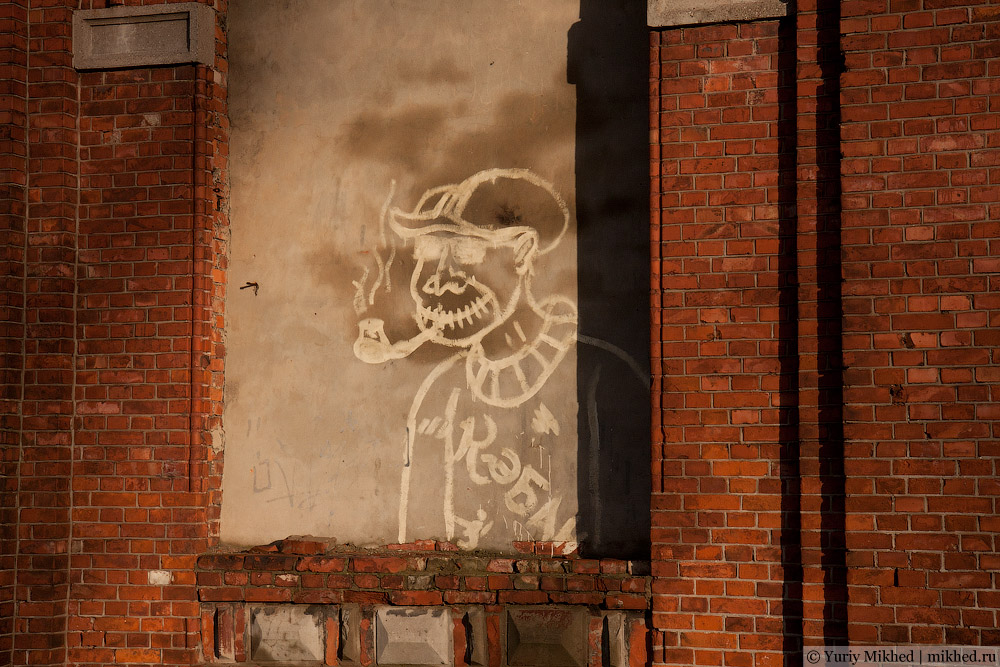
One can only hope that funds for restoration will appear one day, and a historical museum complex will be opened here. Or something else. It is a pity to watch such a valuable historical heritage fall into decay.
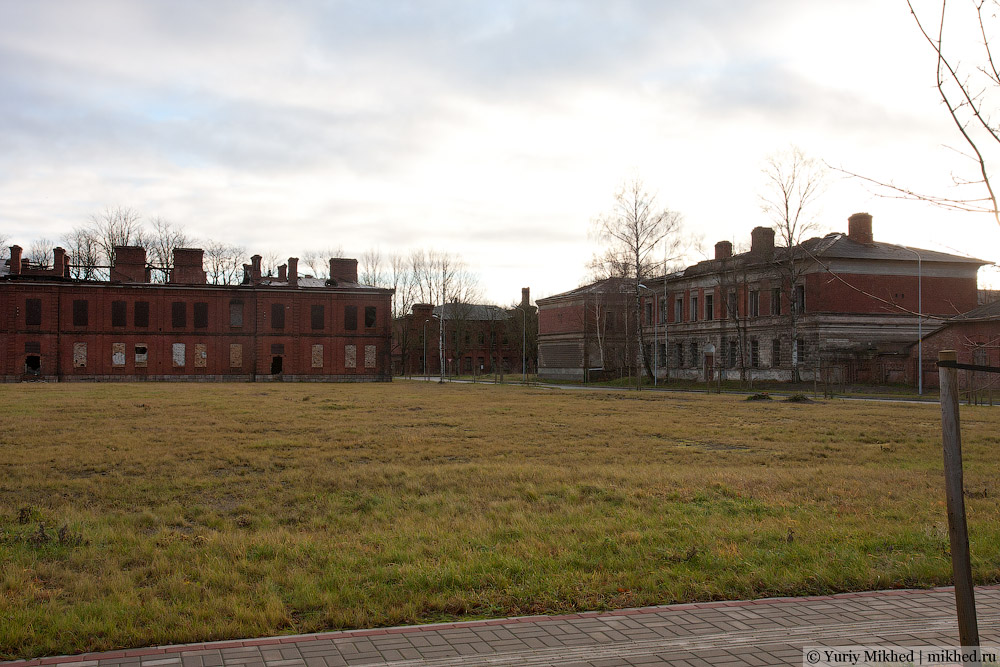
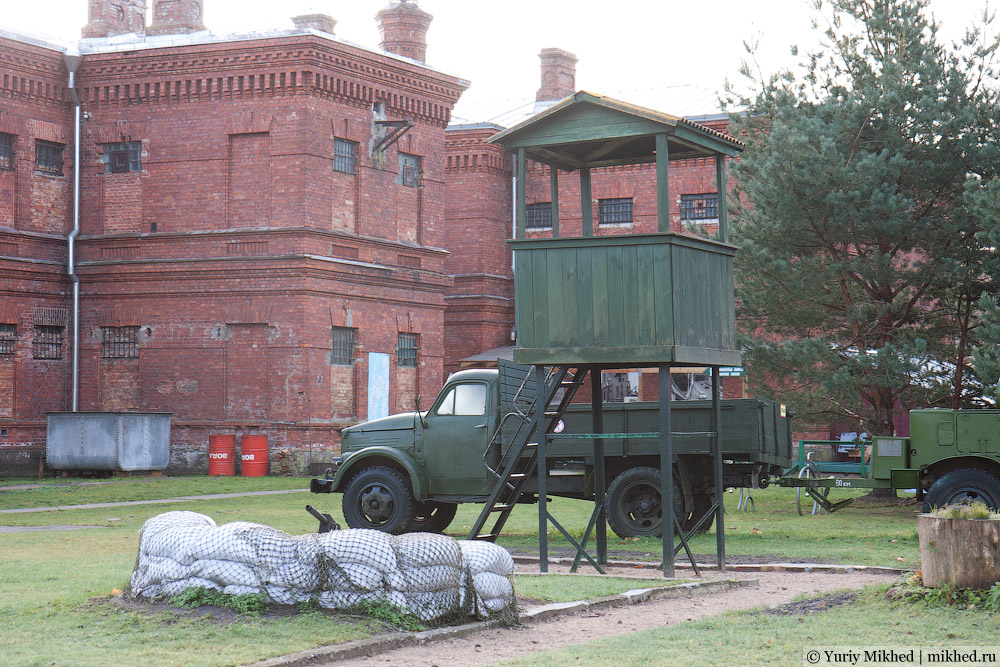
Currently, a museum operates in the port guardhouse, although it is open only from May to September. At the museum, you can take part in a historical reenactment — spending 24 hours in Stalin's prison as an inmate. Besides the prison itself, the museum organises excursions across the entire territory of the port.
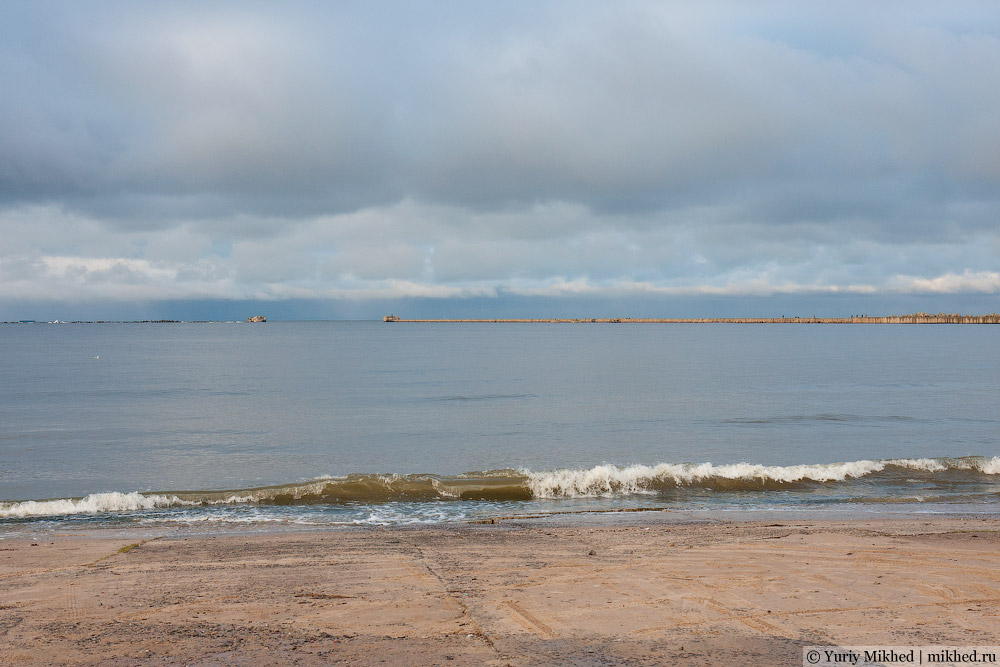
The bay is separated from the open sea by artificially constructed structures.
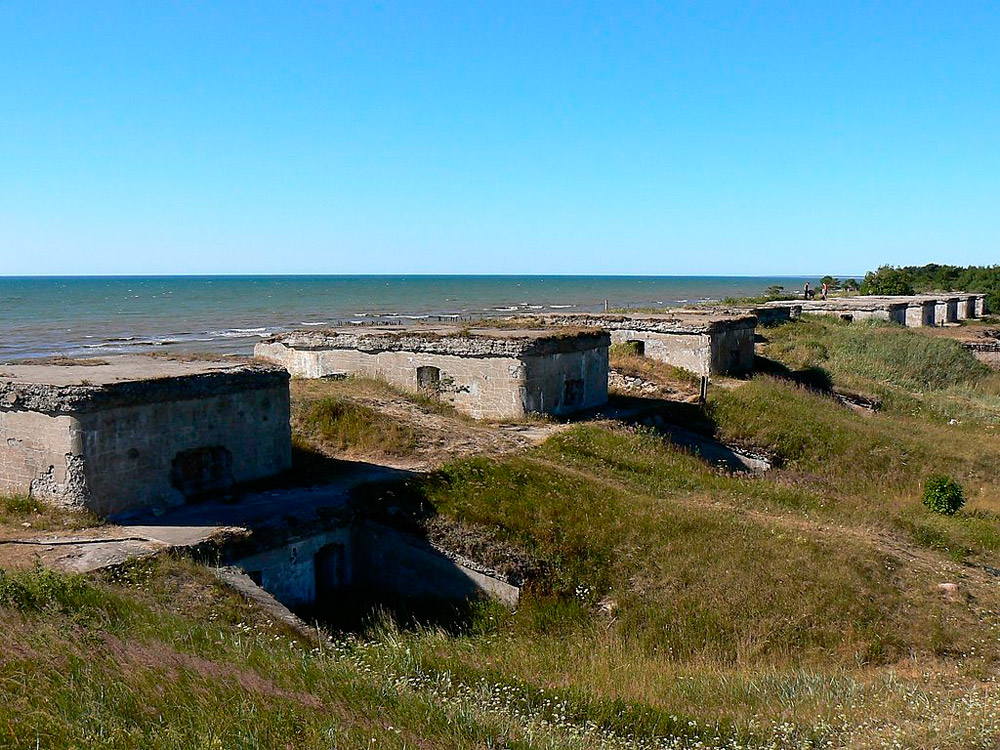
If you have plenty of free time, there are many interesting things to see at the port — fortifications, underground bunkers, and other defensive structures. The photograph below is taken from Wikipedia, the author is Andrius Vanagas, 2006.
_(2).jpg)
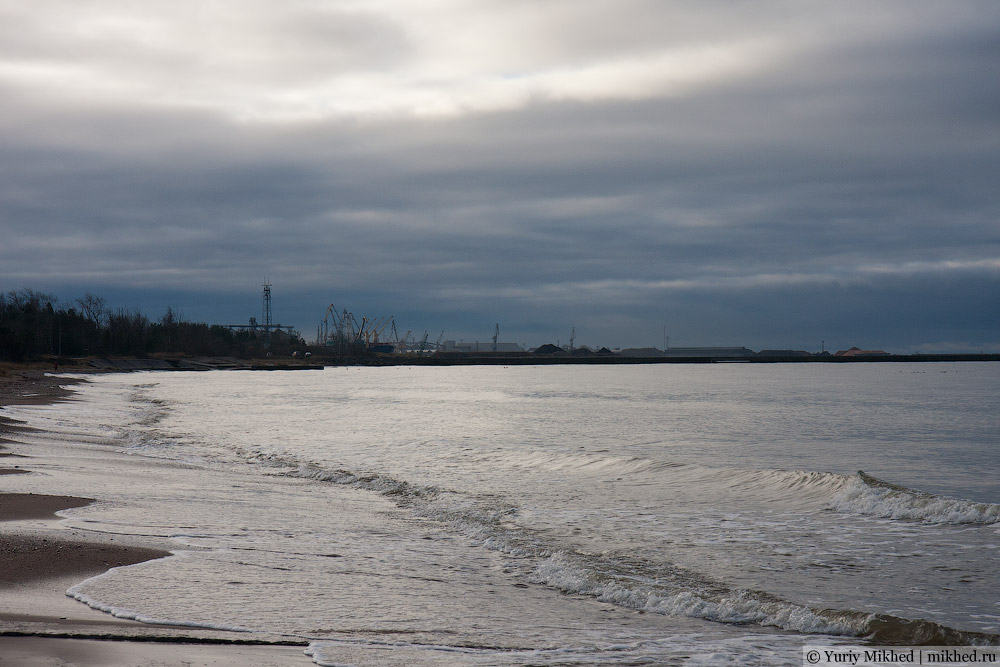
In the distance, the Liepāja commercial port can be seen.
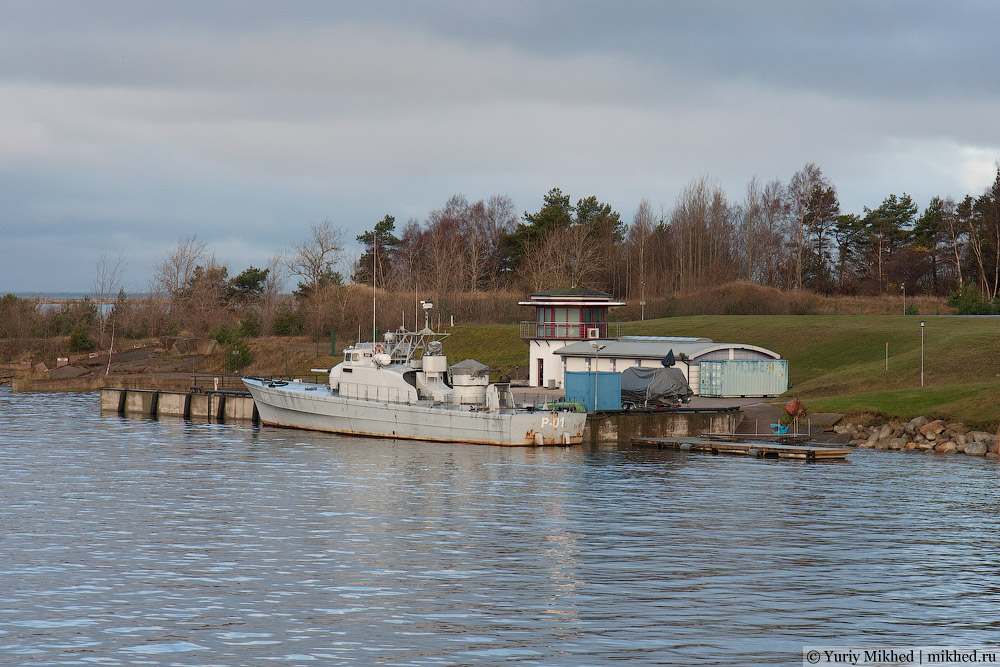
Some facilities are used by the National Armed Forces of Latvia.
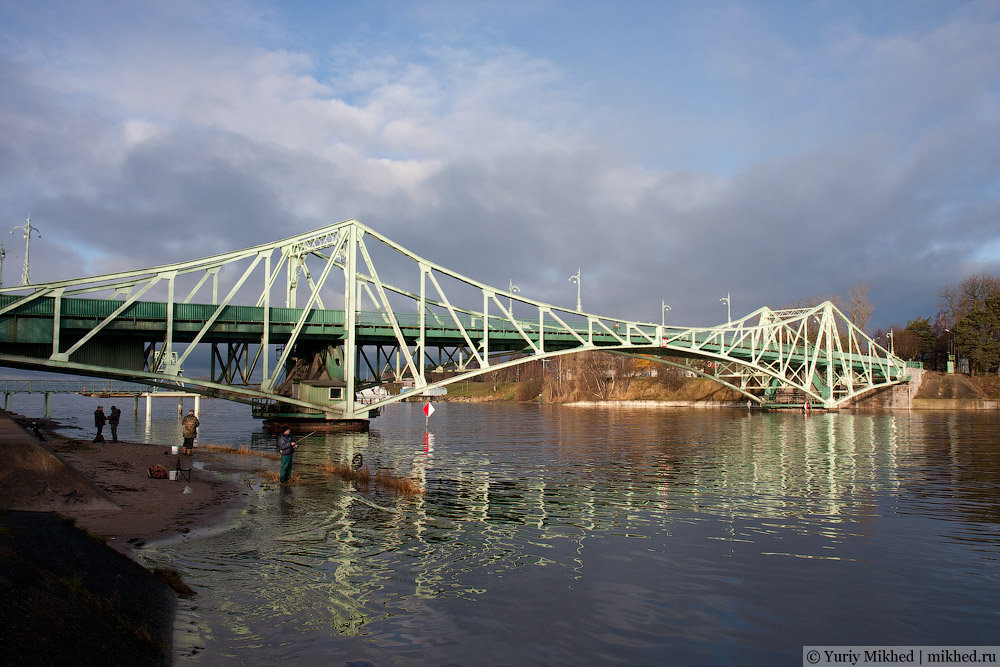
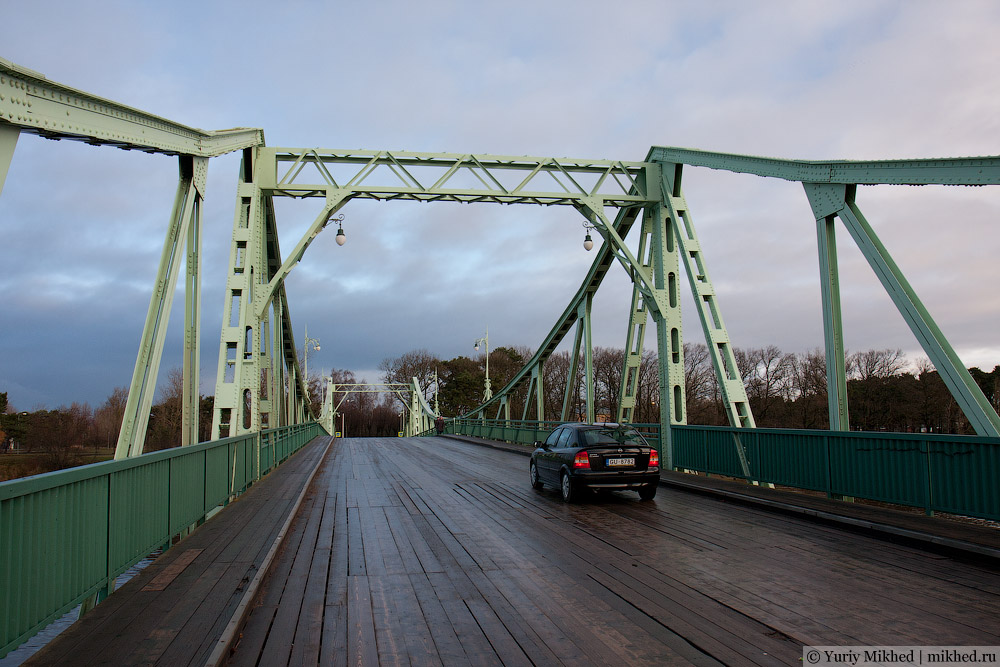
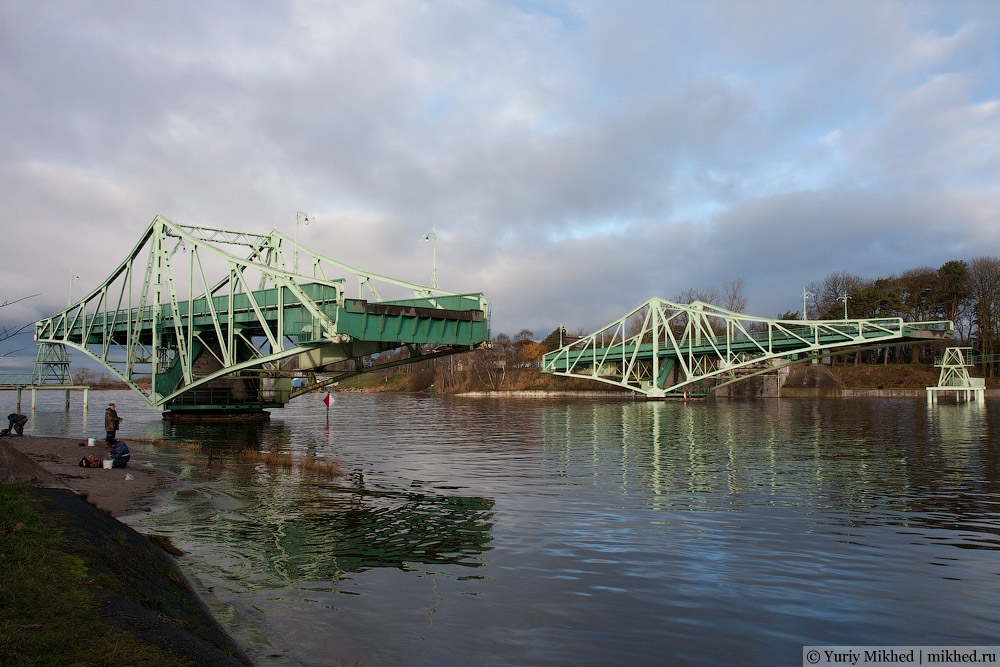
A swing bridge, built in 1904–1906 and designed by the German engineer Harald Hall, spans the port channel. In the 1920s, the bridge was named after Oskars Kalpaks (1882–1919), the first commander of the Latvian battalion, which later became the foundation for the national army of the first Latvian Republic.
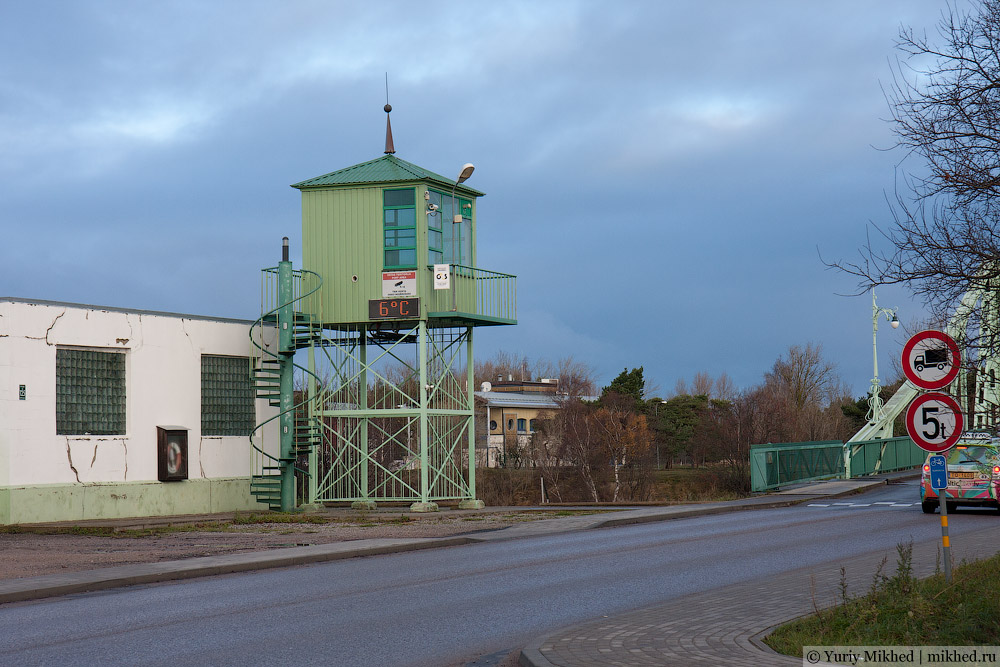
In Soviet times, the civilian population was forbidden from entering the territory of the military town, so there was a checkpoint near the bridge.
Now access is free. Several times a day, car traffic is blocked, and ships pass through the channel.
The bridge in its swung position.
Video of the swinging operation.
And now, let us head towards the city centre.