Jelgava
Jelgava municipality, Latvia, November 2017
Google Maps, Yandex.Maps
Jelgava is the town where I spent my childhood and youth. I arrived here at the age of 3 months and left a month before my 16th birthday. Before starting to write about it, I thought for a long time about the format. Whether to look at it as a tourist, or as a person returning to familiar places after 20 years. In the end, I decided to do both, and also to publish a separate selection of aerial photographs.
General View and Sights
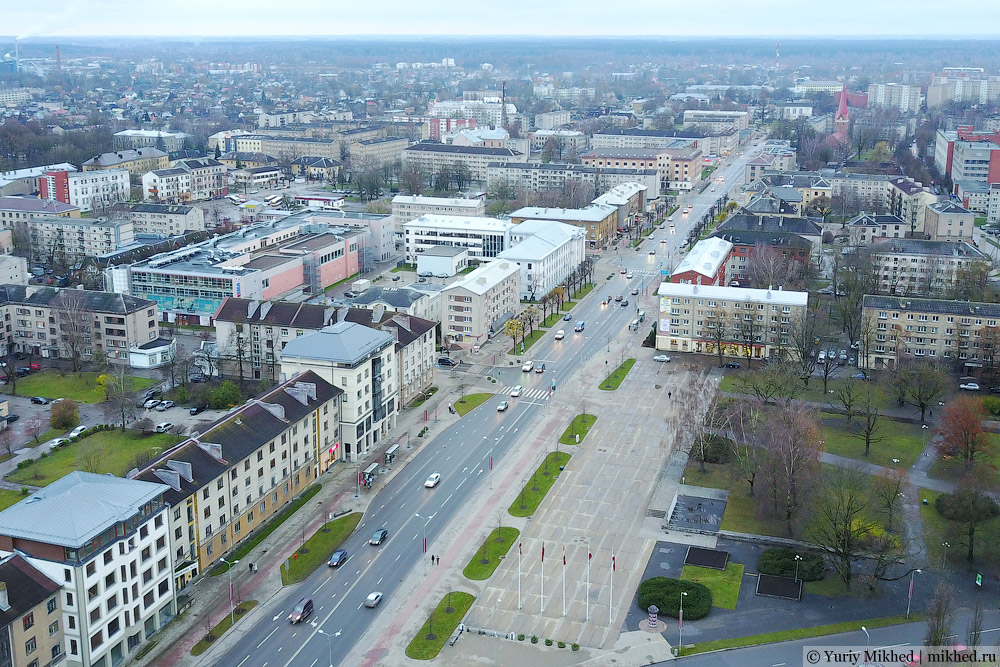
Jélgava (in Latvian, the stress is on the first syllable, although all local Russian speakers say Jelgáva) is located a one-hour drive south-west of Riga. About 58,000 people live here, which is quite a lot by Latvian standards. The German name of the town is Mitau, hence the old Russian name Mitava, which was used until 1918. Before the Second World War, the town was very beautiful, with a lot of old German architecture, but by the end of the war, 90% of the buildings had been destroyed. The Soviet authorities did not bother with reconstruction; the town was simply built up with monotonous panel-block five-storey buildings. Therefore, for most tourists, Jelgava is of no interest. Usually, if anyone visits here, it is only in transit to see the Rastrelli Palace. Let's start with it.
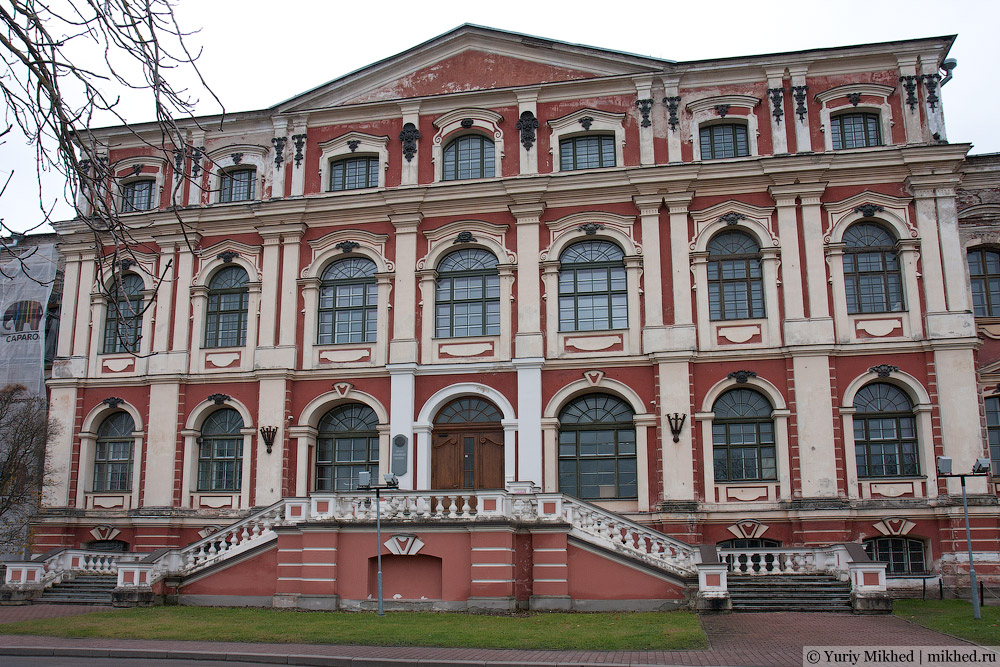
Mitau Castle (Mitauburg, Jelgavas pils) is a Baroque palace on the banks of the Lielupe, built to the design of the architect Francesco Bartolomeo Rastrelli, and resembles other creations of the architect, the most famous of which is the Winter Palace in St Petersburg. Jelgava owes the palace to the Duke of Courland, Ernst Johann von Biron (1690–1772), who was a favourite of the Russian Empress Elizabeth, possessed great influence, and received a lot of money from the state treasury. In addition to this building, Rastrelli also designed a summer palace for the Duke in Rundāle. Unlike the Rundāle Palace, which has preserved all its interior decoration, this one was completely plundered and burnt down in 1918. Today, it houses the Latvia University of Life Sciences and Technologies.
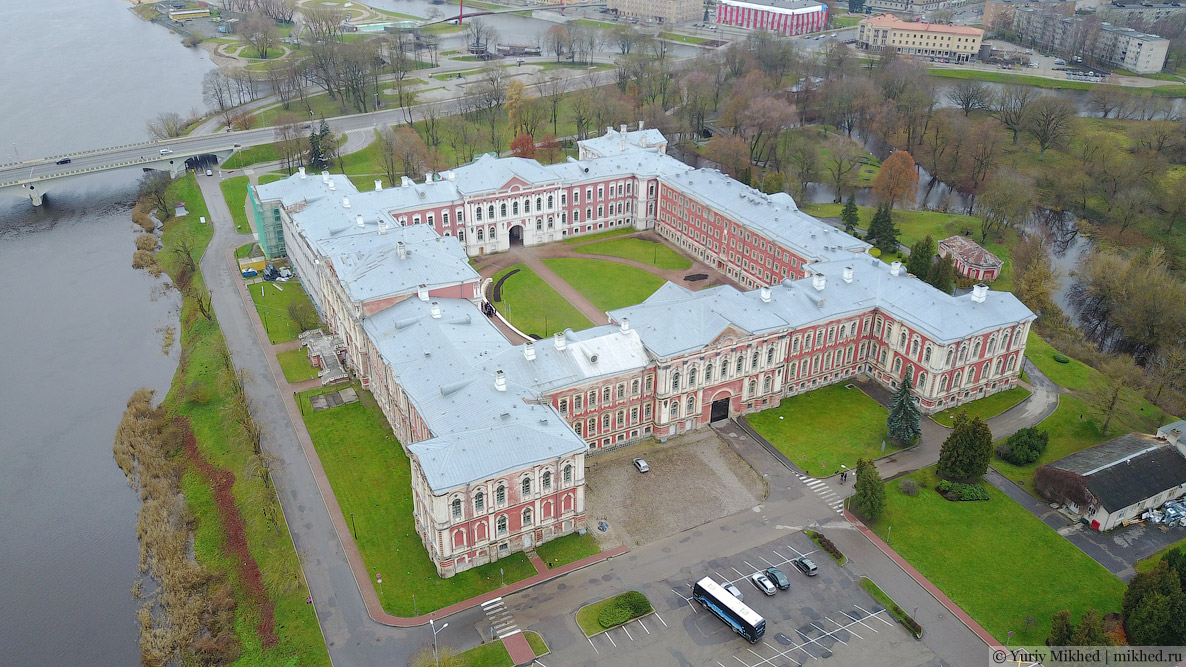
A most magnificent architectural monument. I remember admiring it back in my childhood, even though I couldn't appreciate then how powerful a creation it is.
The building of the Academia Petrina, founded by Ernst von Biron's son Peter (1724–1800), looks somewhat similar to the palace. The Academy building, designed by the architect Severin Jensen, was built in 1775. Today, it houses the town's museum of history and art.
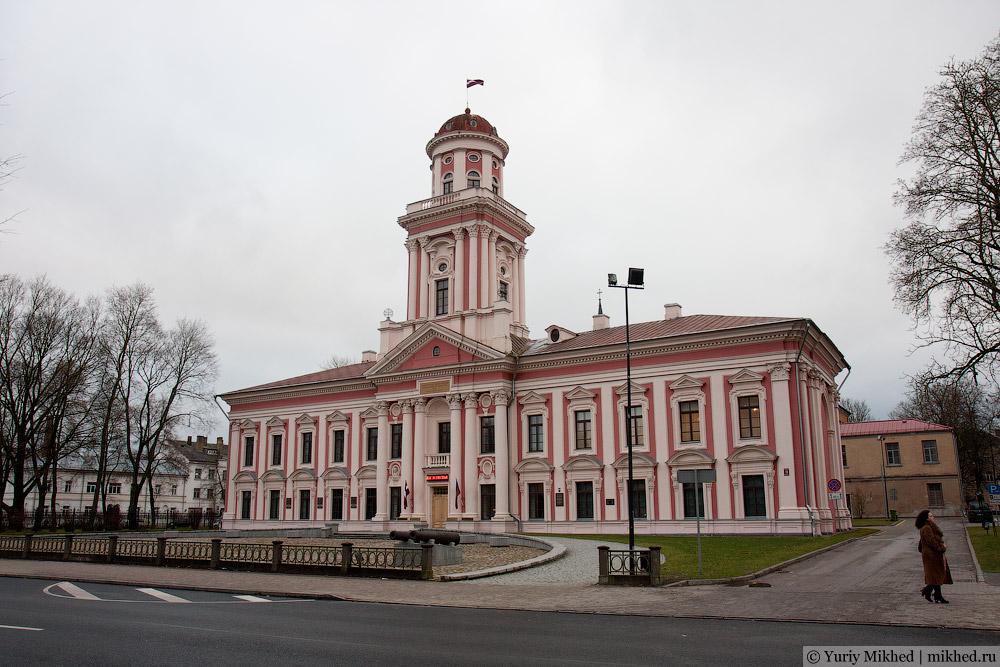
The town has also preserved a certain number of old churches. The main Catholic church is the Cathedral of the Immaculate Virgin Mary. It looks very similar to churches that can be seen in German towns.
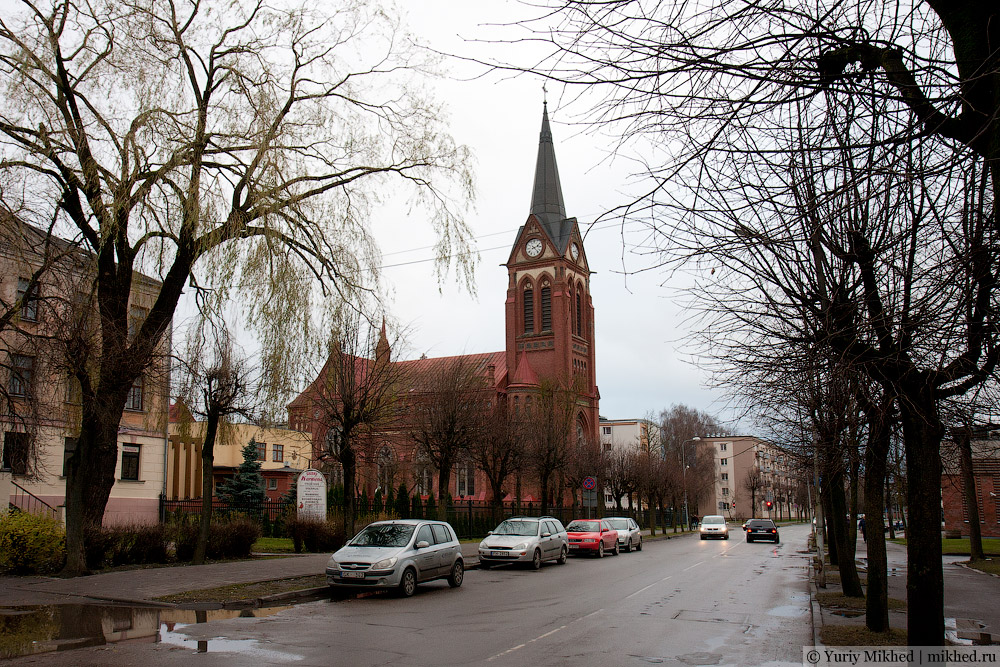
And this is the Lutheran St Anna's Cathedral (my nursery school was across the road from it). Unlike the Lithuanians, who are predominantly Catholic, and the Estonians, who are predominantly Lutheran, Latvians do not have such a distinctive majority—there are about 708,000 Lutherans and as many as 430,000 Catholics. However, religious differences play no role in Latvia, unlike cultural and ethnic ones.
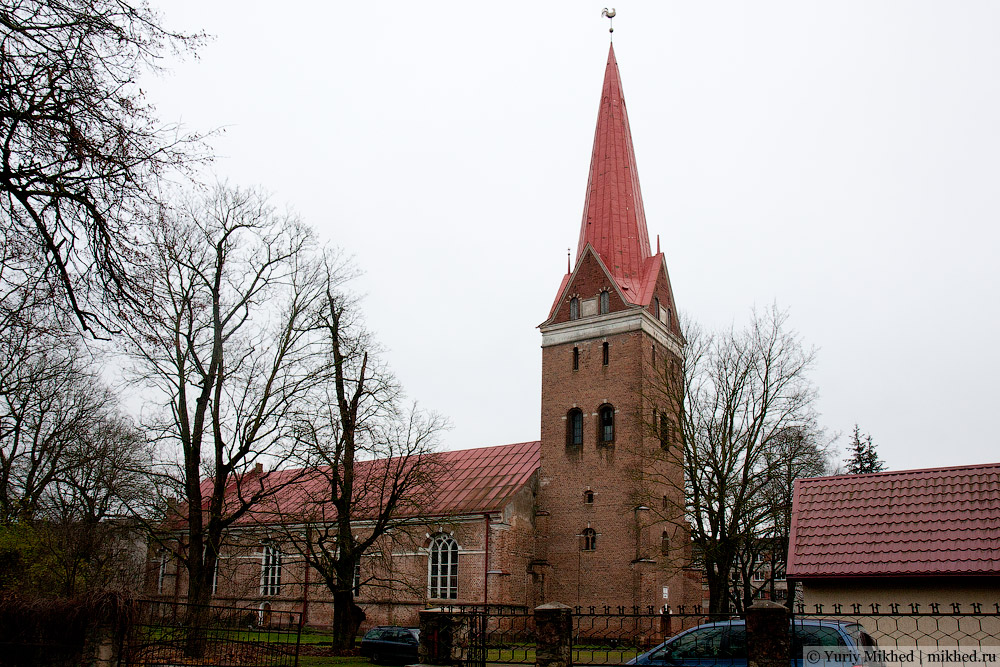
Since there are many Russians in Latvia, the third largest group is the Orthodox. The main Orthodox church is the Cathedral of Saints Simeon and Anna, restored in the 1990s.
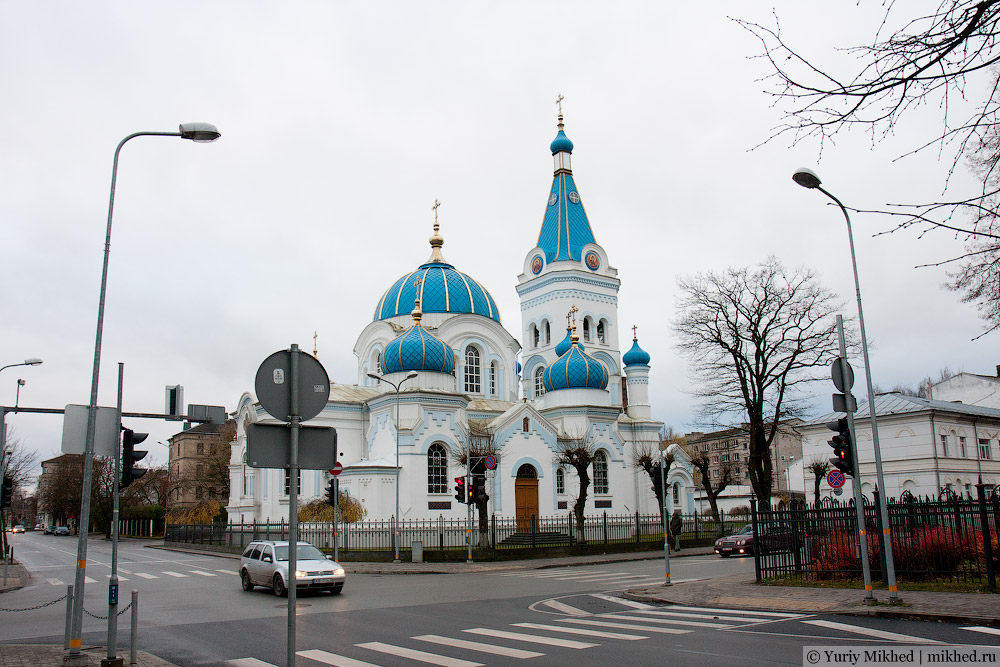
Right in the town centre, the Holy Trinity Church once stood. According to Austris, only Germans went to this church, and Latvians were not allowed in. After the war, only the stone part of the tower remained from the church, without the bell tower, which stood abandoned for several decades. The church was never restored, but later the tower was turned into a museum site. Now you can go up to look at the main square through a glass roof.
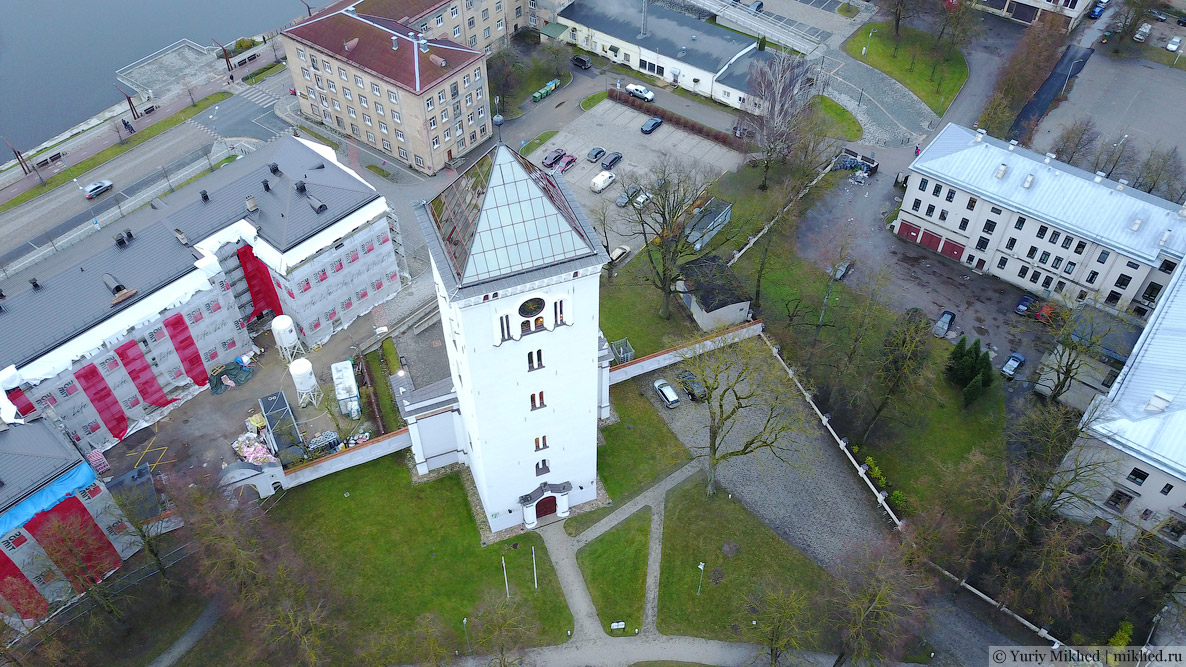
A lot of historical architecture scattered around the town has survived from old Jelgava. Unfortunately, these are mostly simple houses from the outskirts of that time. The grand architecture of the centre was lost, but from old photos, one can see that it looked like what can now be found in small German towns. If it had been preserved, it would be much more interesting here from a tourist point of view.
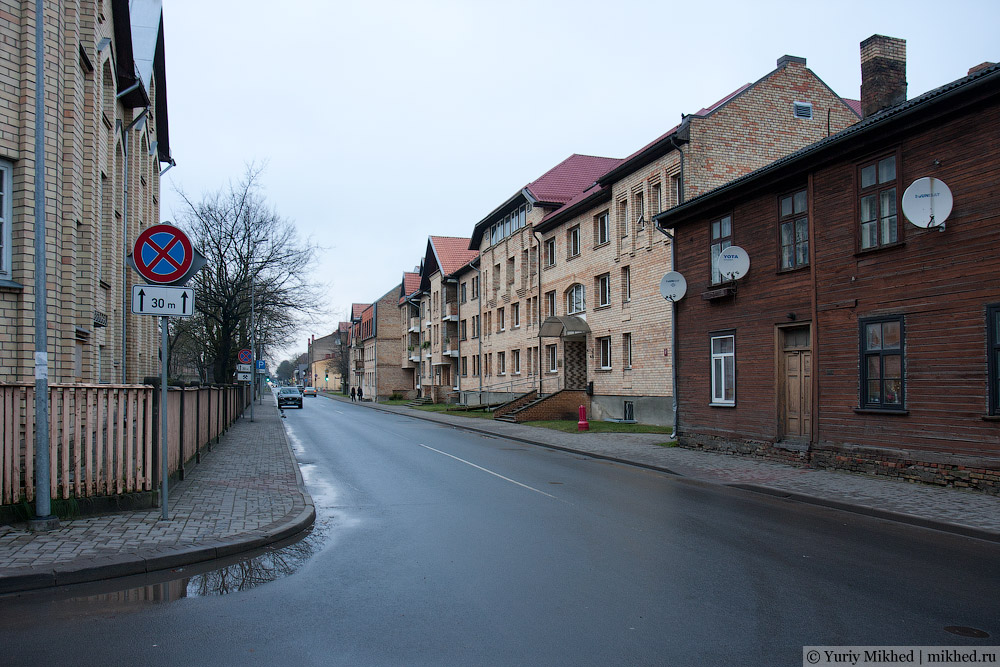
One of the streets of the old town has been preserved almost in its entirety (let me emphasise again that this is a modest street, which used to be on the outskirts). In Soviet times, it was very neglected, the houses were semi-dilapidated, and it was inhabited mainly by Roma people.
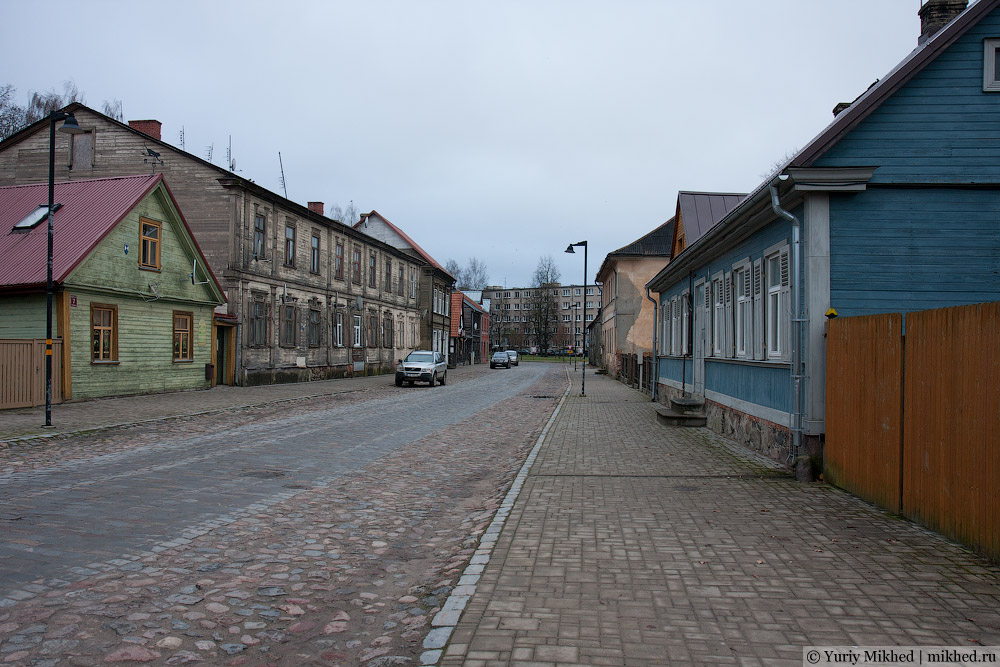
Now it is being more or less restored.
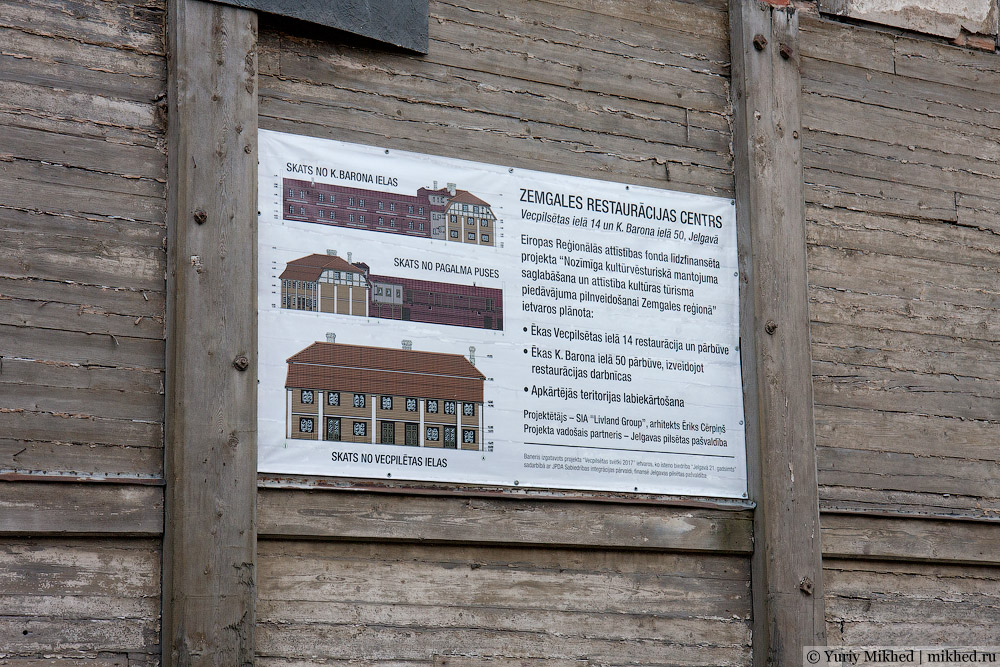
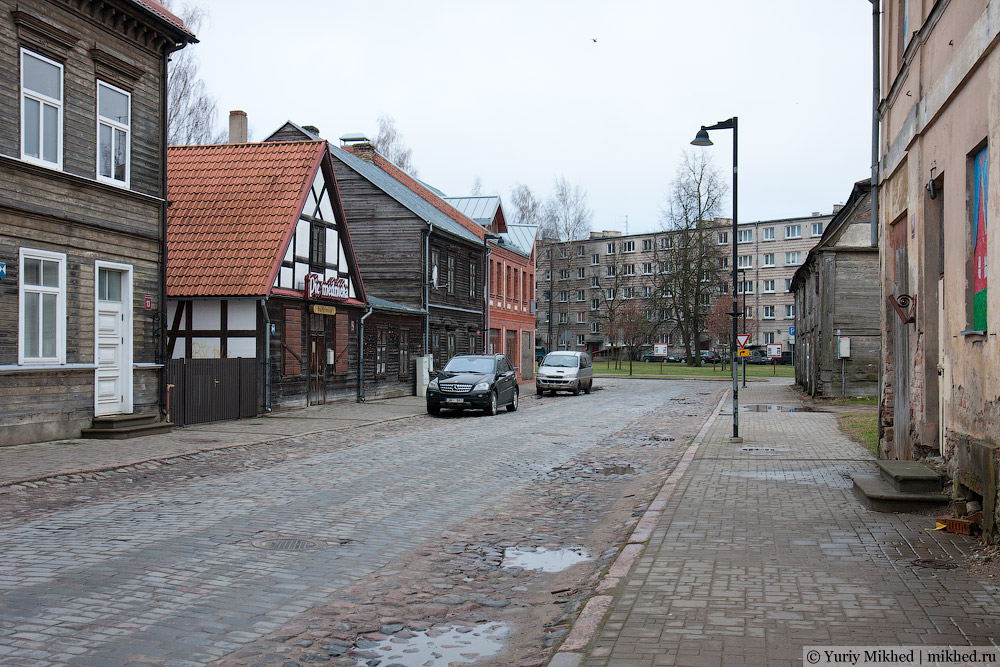
The houses are predominantly wooden. Timber-framing can be found. The original cobblestone road has been preserved on the street, while the pavement tiles were laid recently.
A thing that I really liked in my childhood—in old wooden houses, whose windows often face directly onto the pavement, it is customary to put various figurines and toys on display.
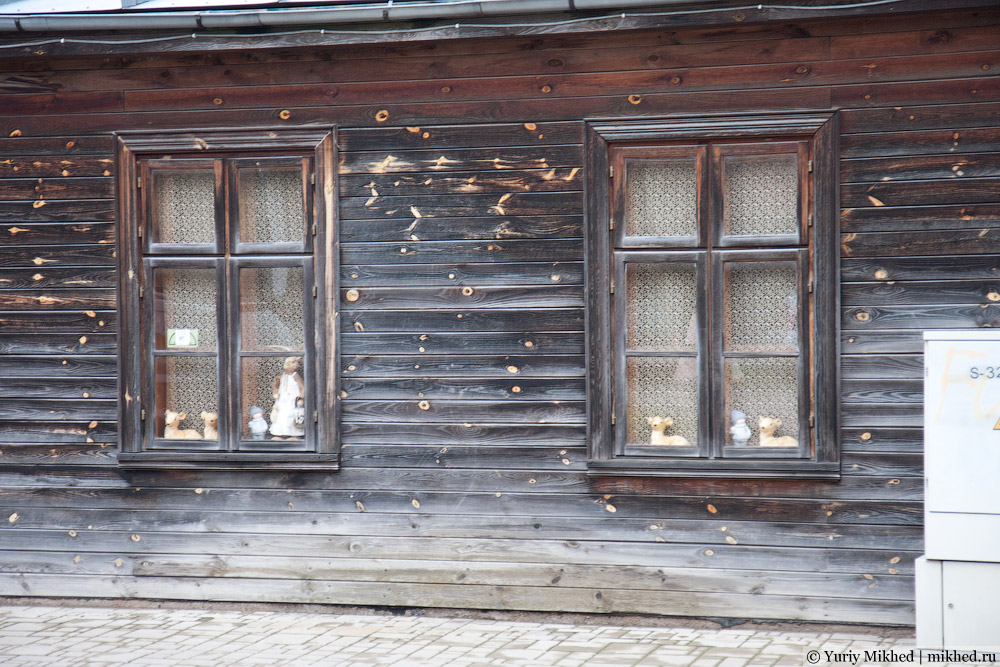
Examples of more interesting architecture do occur, however. In my childhood, I walked past these houses every day but didn't know how valuable they were.
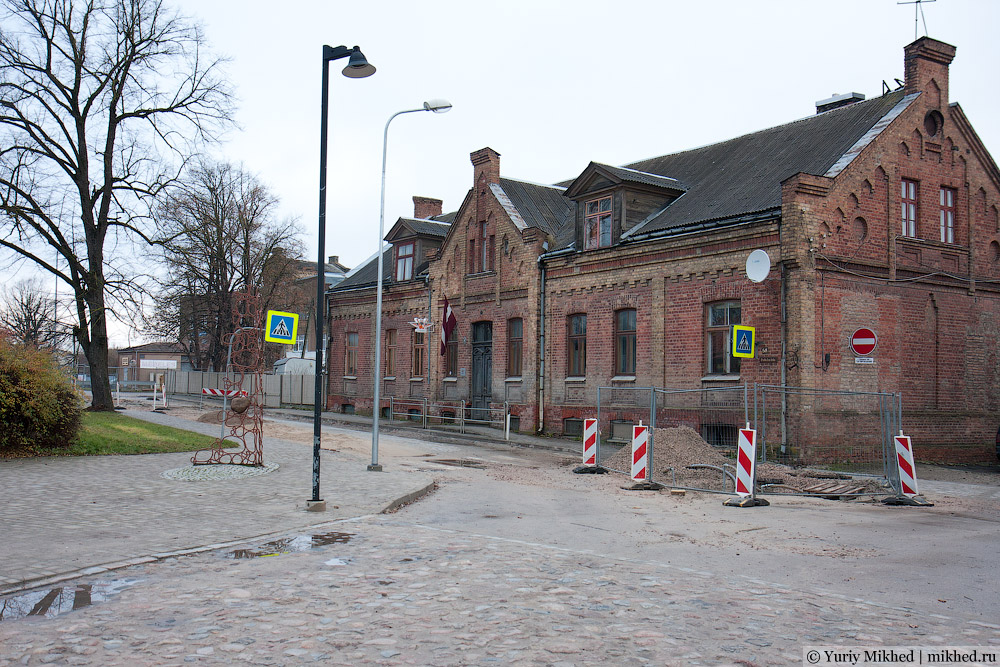
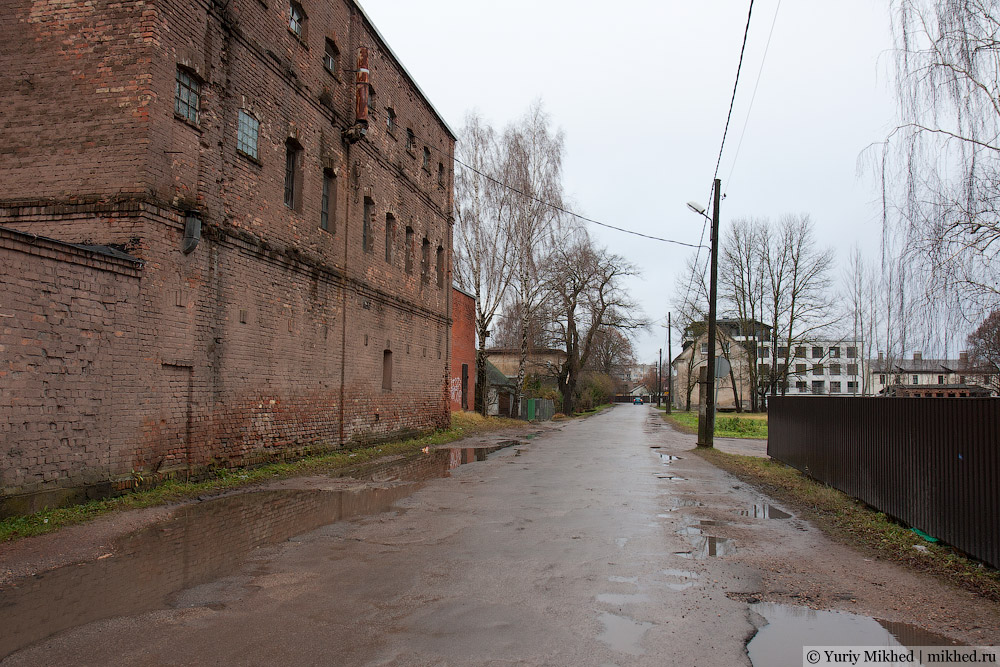
The town's tannery, an interesting industrial monument from the early 20th century. In the past, factories were also built with style. The condition, though, leaves much to be desired. For many years, I walked past this building, first to nursery school and then to primary school.
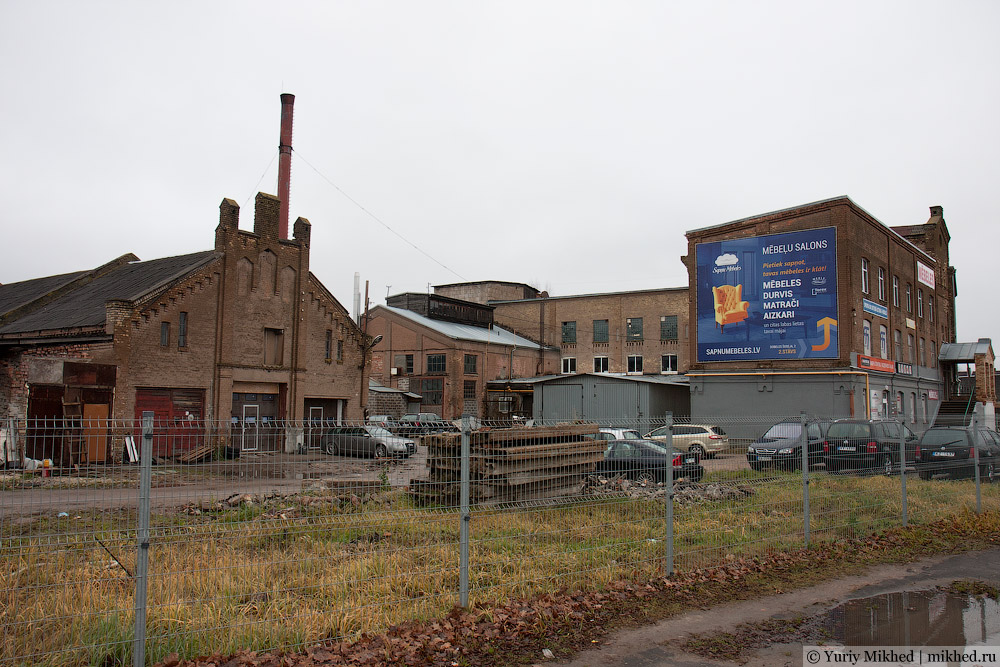
An interesting abandoned property; it looks like there used to be a partially stone, partially wooden house here, then the wooden part disappeared, and the stone skeleton is still standing.
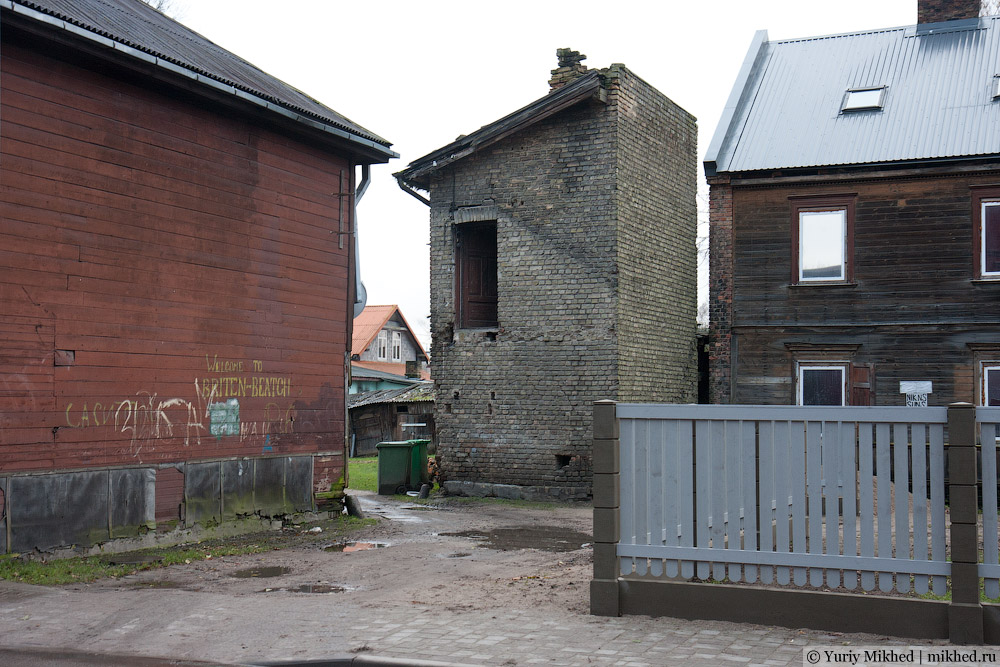
Sometimes you come across houses with a side turret, like in Jūrmala.
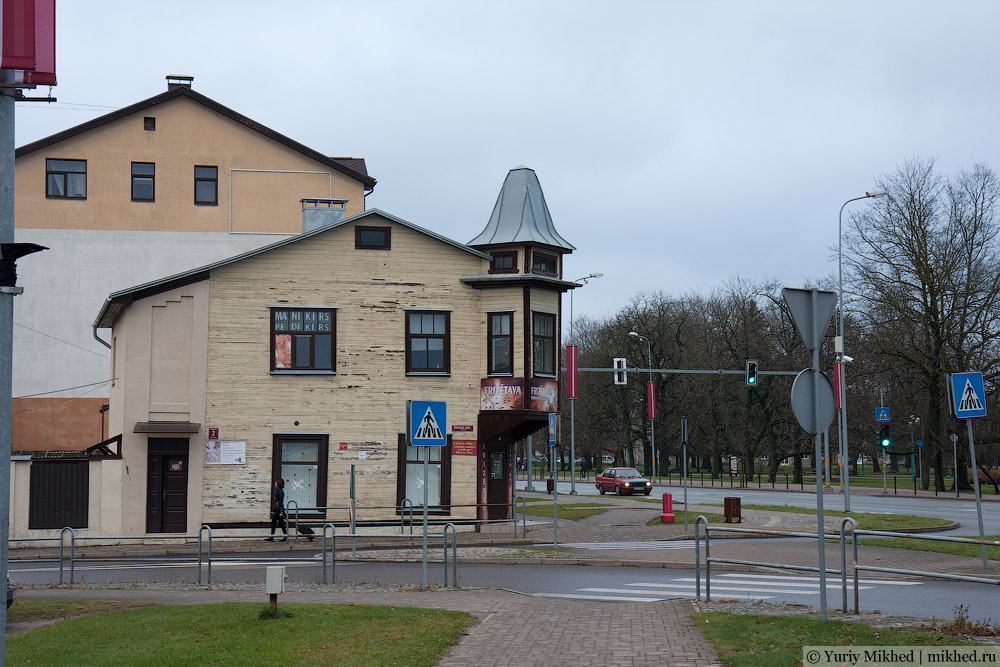
If you look closely, there is a lot of antiquity, though its condition often leaves a sad impression, especially when it comes to small private houses.
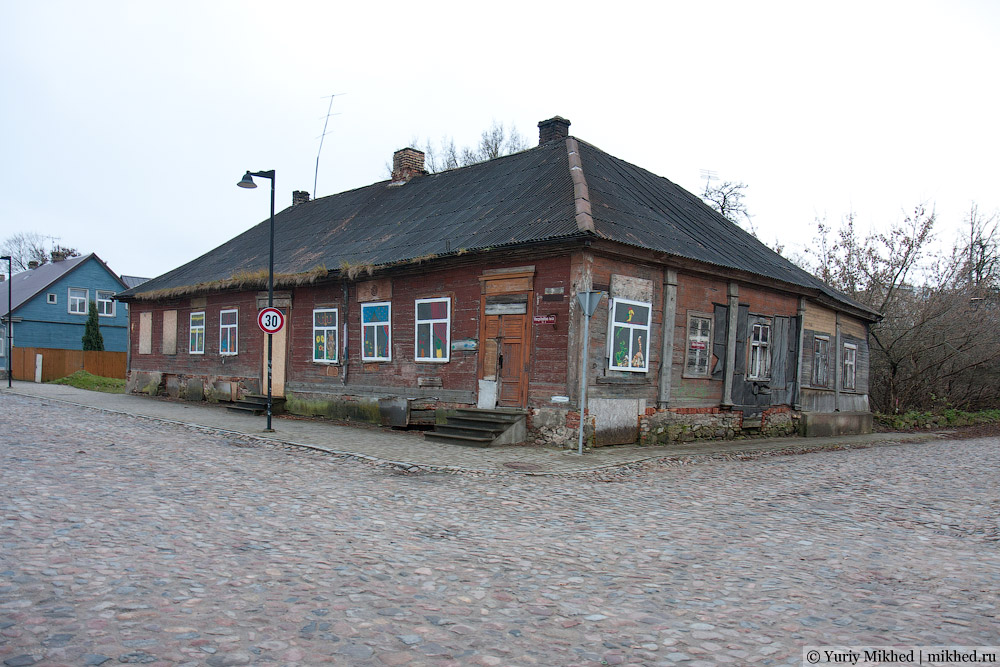
In any case, it is interesting to walk around here.
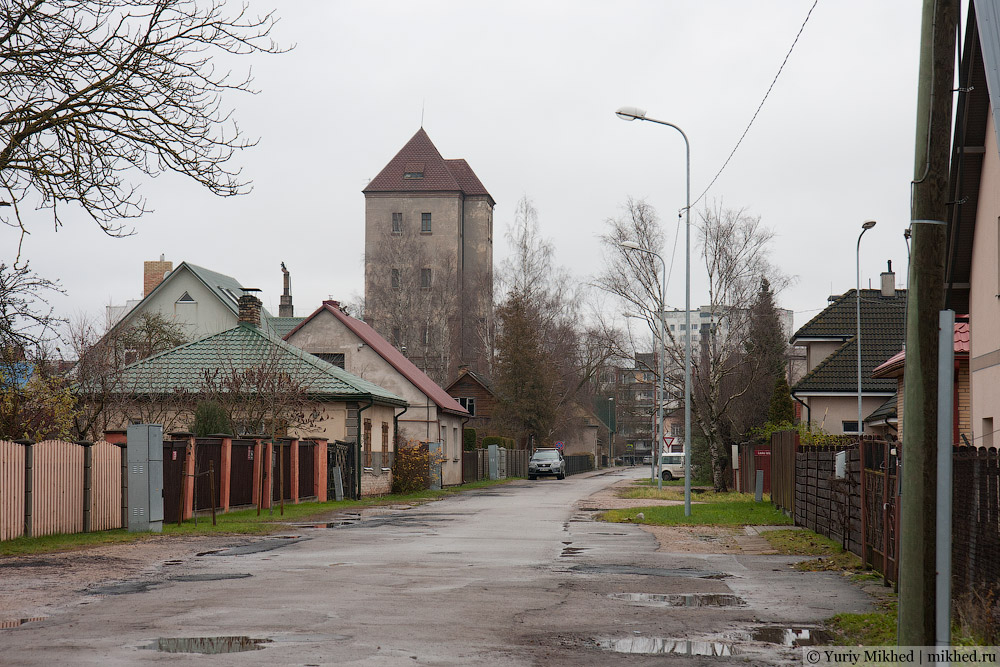
Buildings erected in the early 20th century and during the period of the first independence (1918–1940).
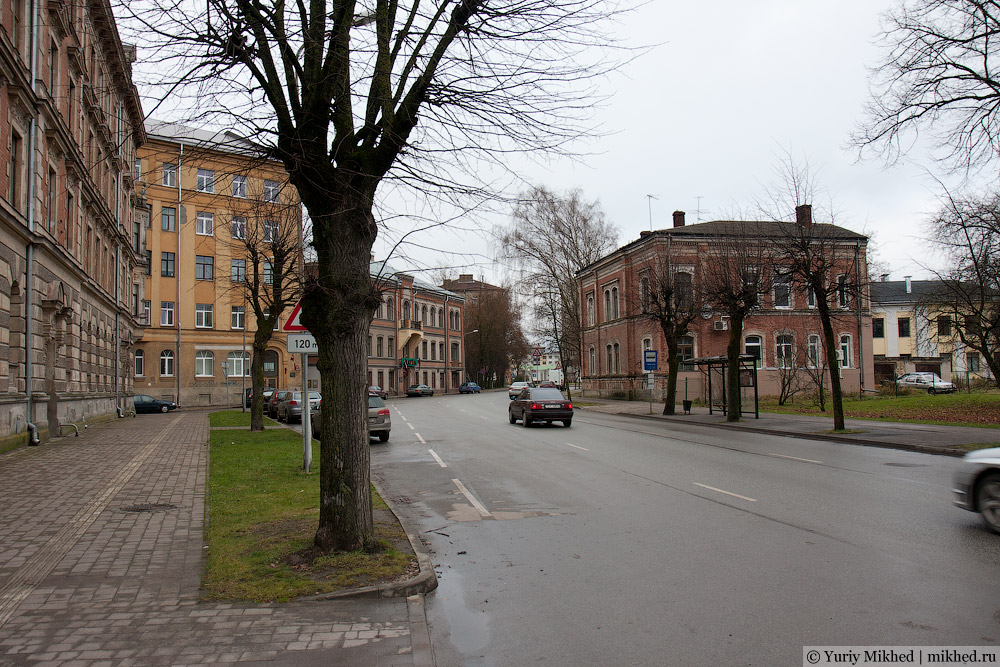
Examples of buildings from the interwar period—the former post office and (in the second photo) the "Jelgava" hotel.
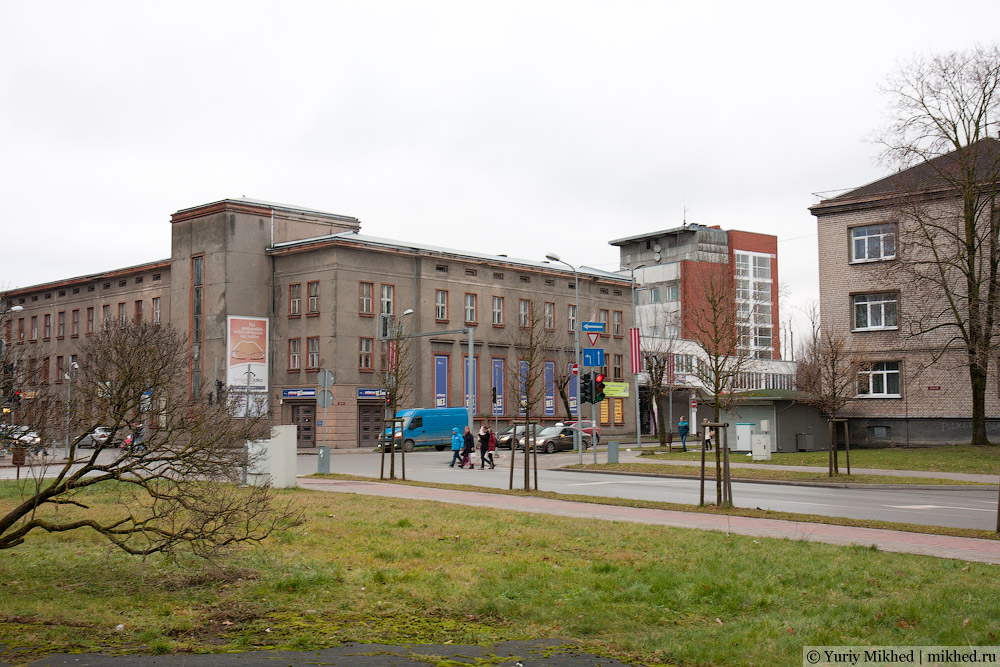
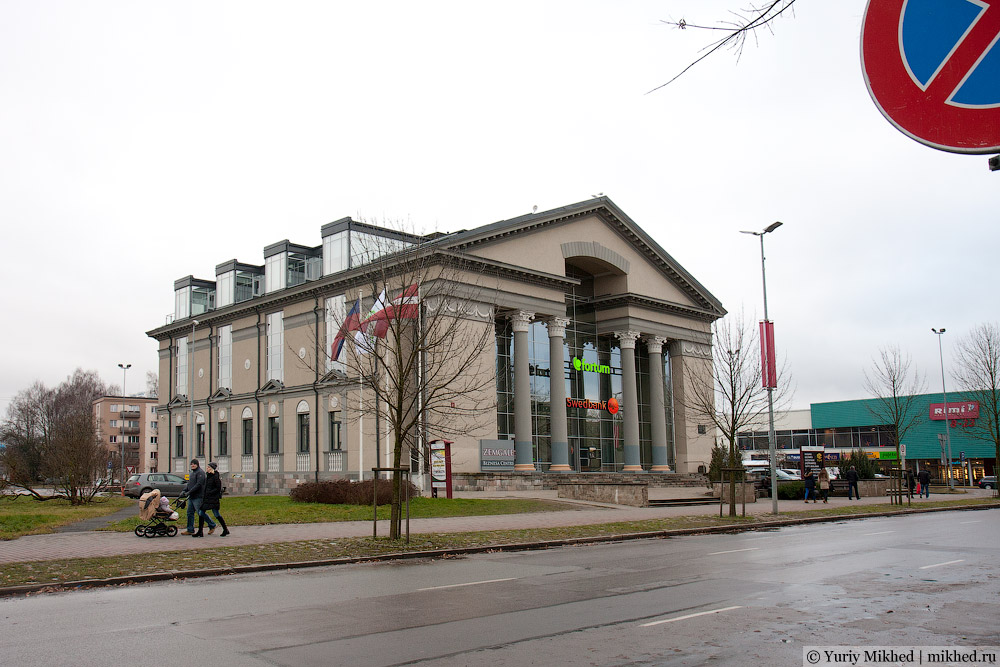
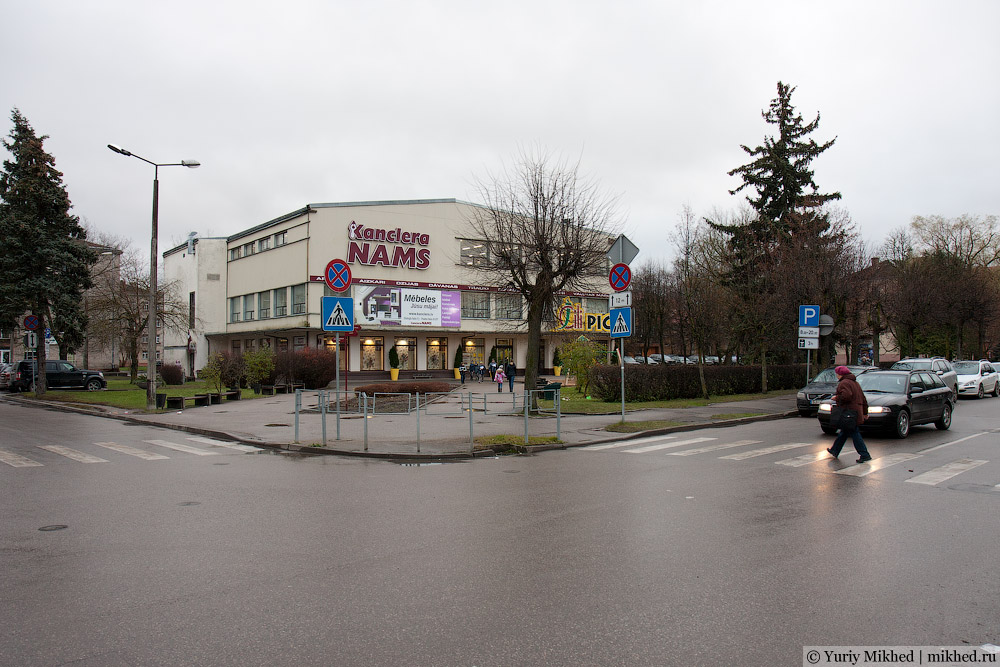
There is almost no Soviet neoclassicism ("Stalinist architecture")—in the thirties, Latvia was independent, in the forties there was a war, after that nobody got around to such small towns, and then Khrushchev came along and the fight against excesses began. Perhaps the only building constructed in this style is the former cinema (and now business centre) "Zemgale" (1954). The building is standard, built according to a mass project for a "600-seat cinema" by Giprokino—it has dozens of clones in many cities of the former USSR. It was renovated in 2008, with the addition of glass elements that completely clash with the style.
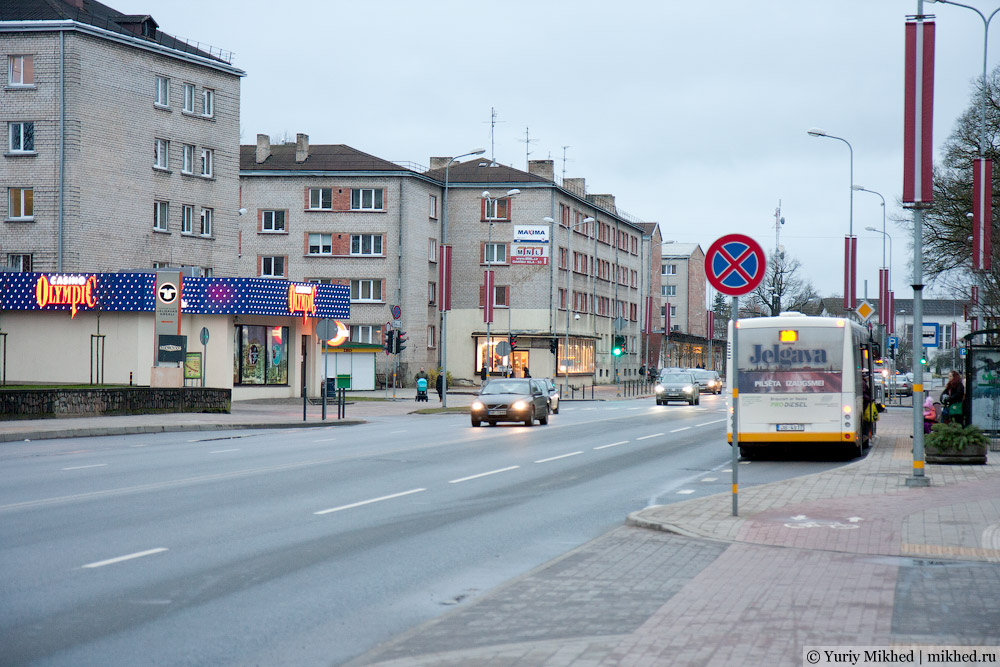
The main part of the housing stock consists of various standard five-storey buildings from projects of the 1960s, 1970s, and 1980s.
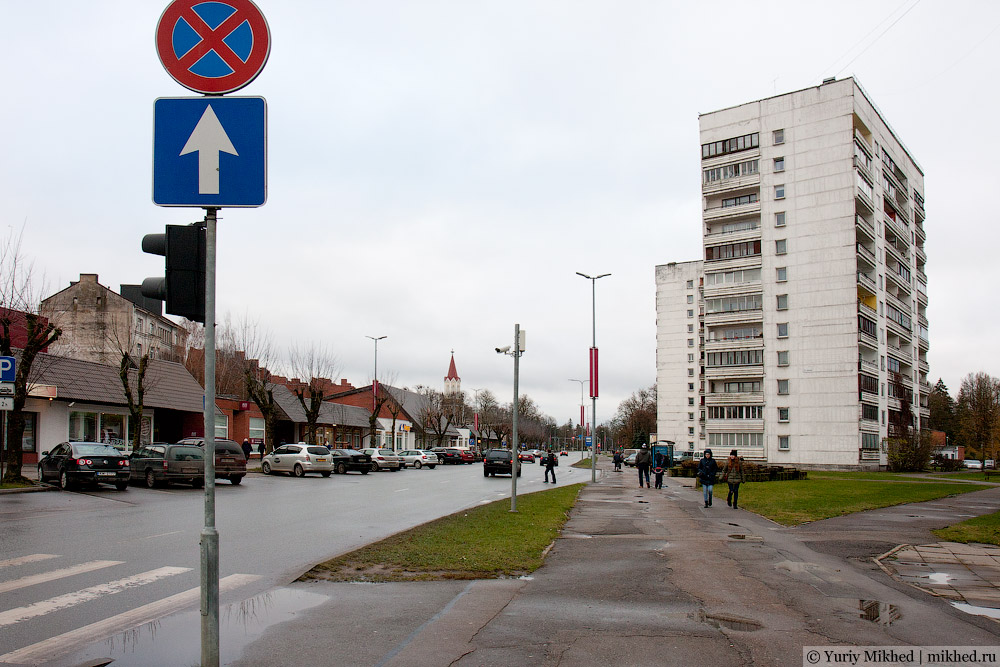
There are 9 and 12-storey panel blocks, but they can be counted on one's fingers.
As mentioned above, there is not much to say about Jelgava's architecture of the Soviet period—everything is built up with standard Soviet designs of shops, schools, and lower-tier administrative buildings, i.e., simple, cheaper to build, intended for small towns and district centres.
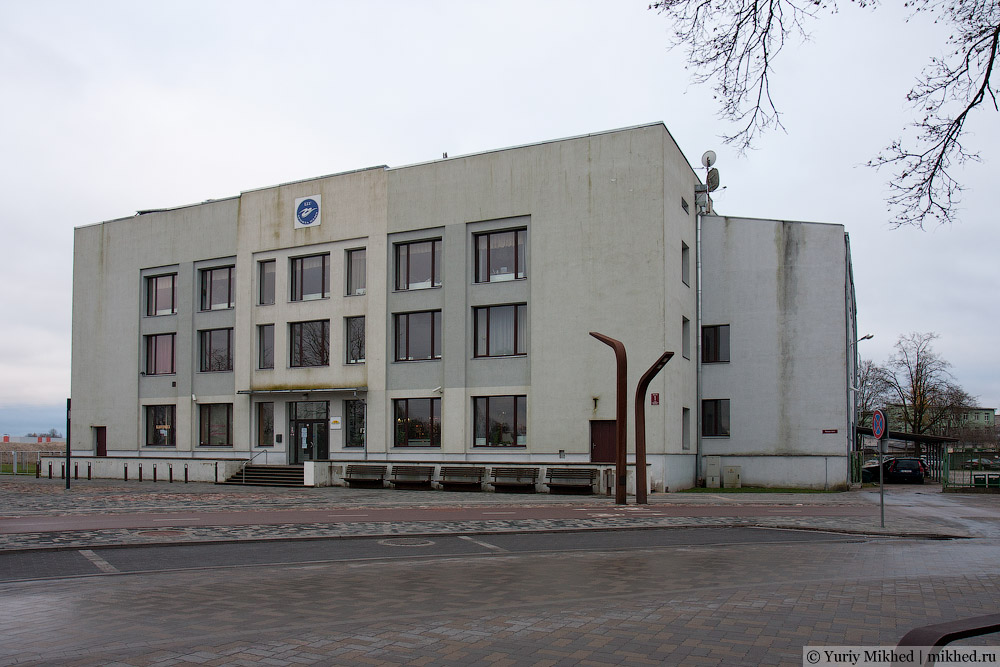
The Sports Hall of the University of Agriculture (where I did swimming for 5 years) was built according to the same design as the Belgorod "Spartak" sports palace.
In the period after gaining independence, very few new buildings were erected (there is no urgent need for new construction because the population has continued to shrink since 1989). There is nothing special to say about them either.
What Has Changed for the Better
Let's look at what has definitely improved here. First and foremost, I would like to note the transformation of the central streets.
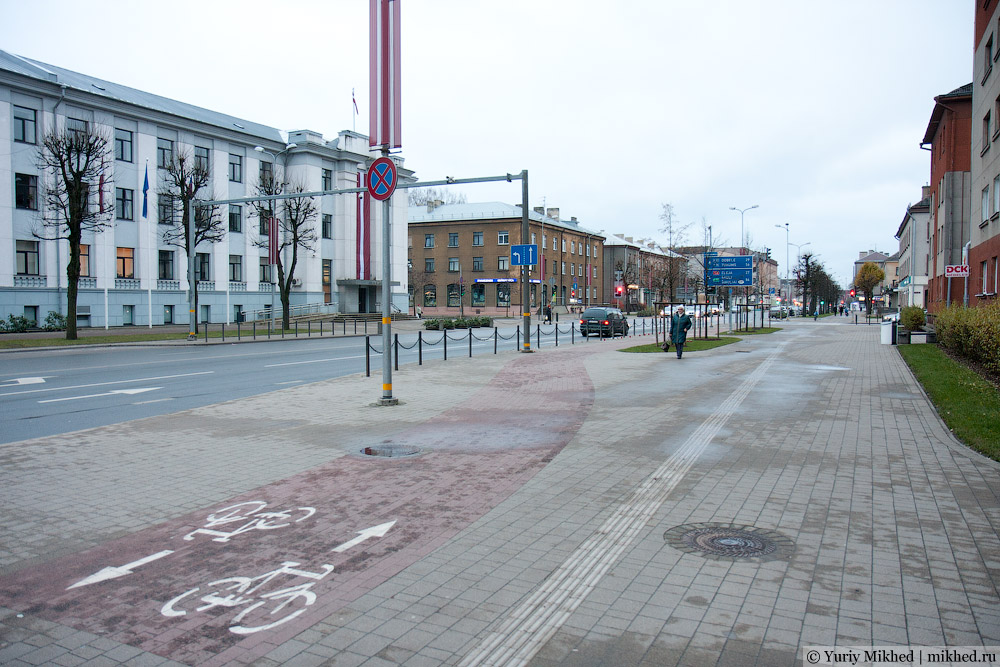
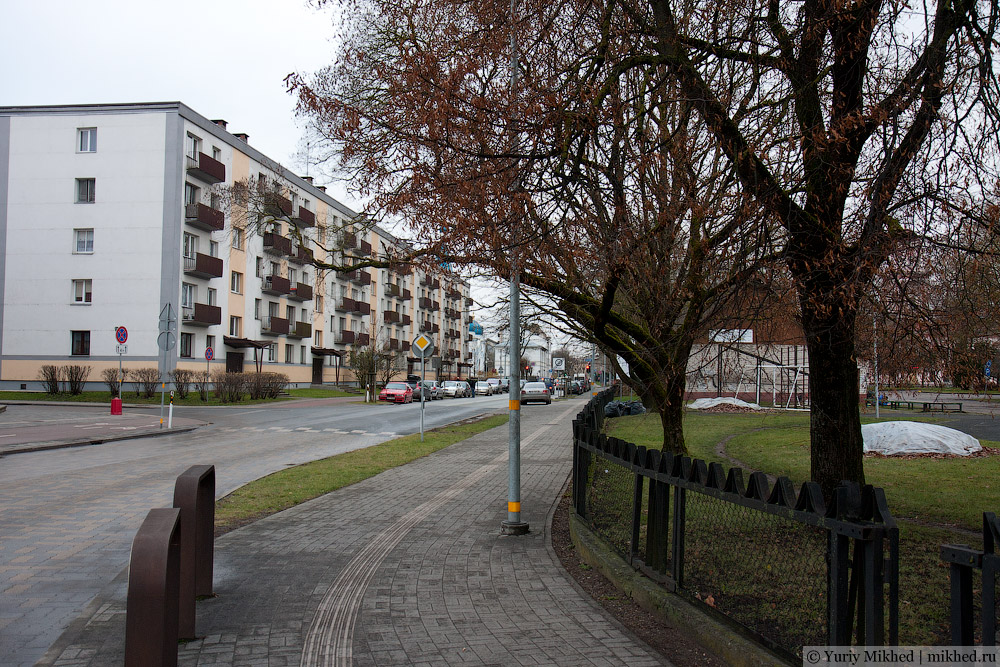
The streets are well-maintained, the pavements are repaired, and the houses are neatly renovated.
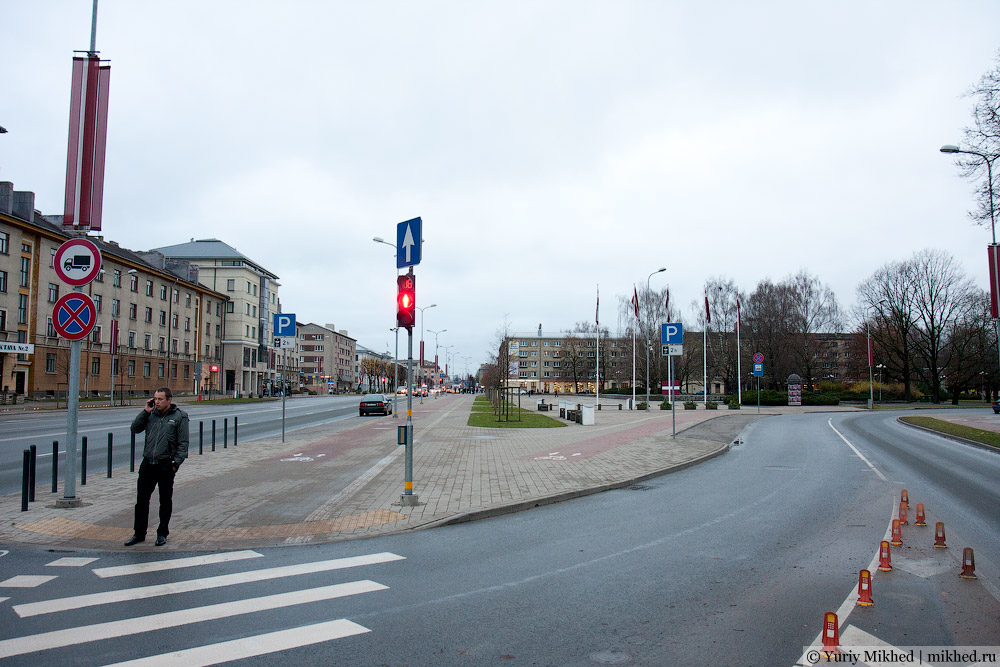
Flower beds and paving tiles are everywhere.
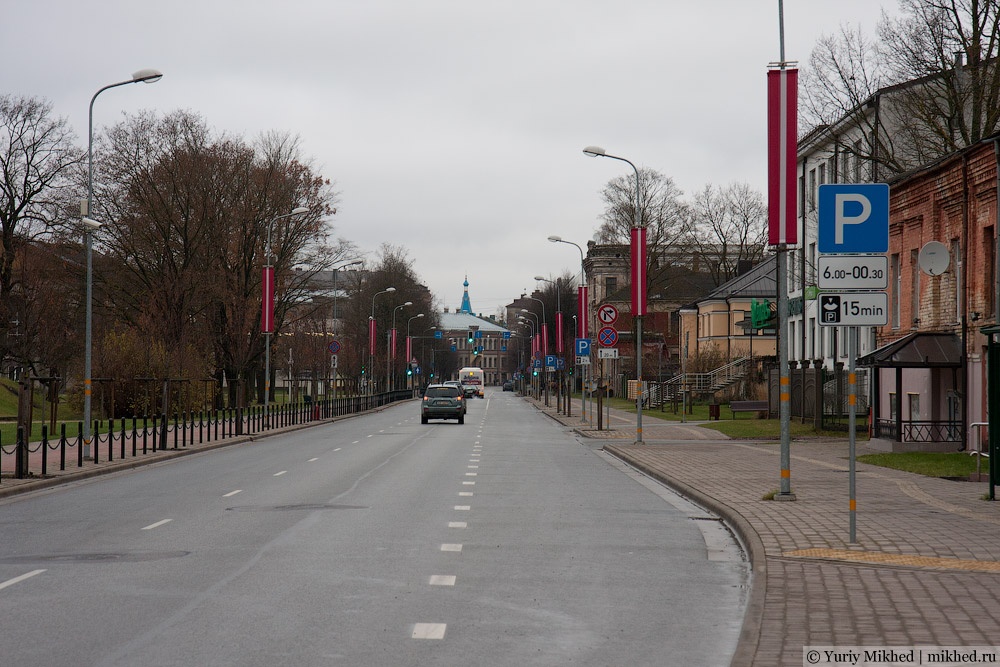
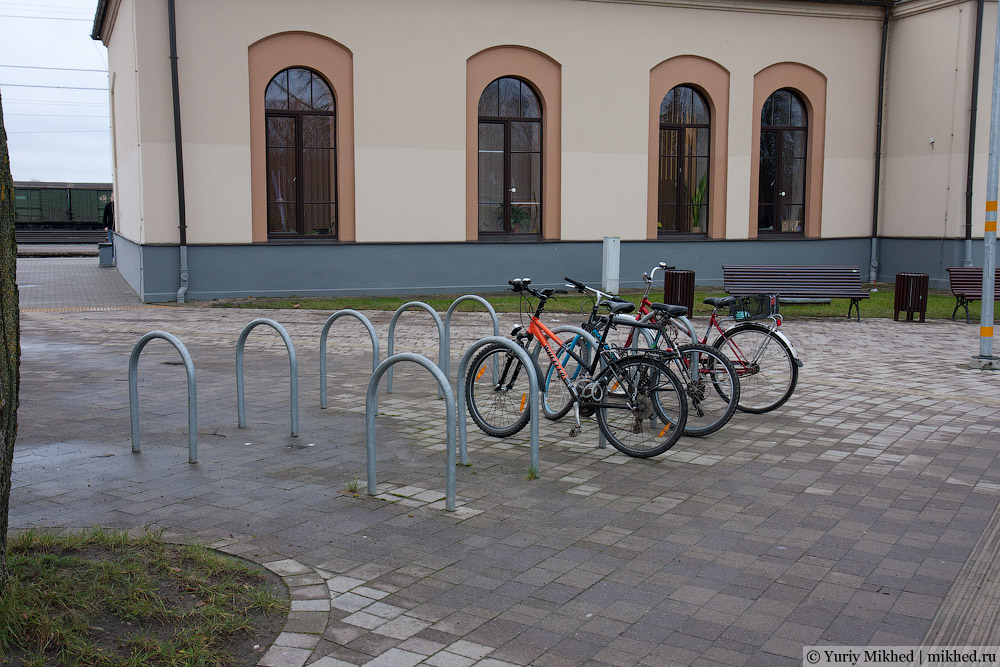
They are trying to create cycling infrastructure in the town, and some people even use it.
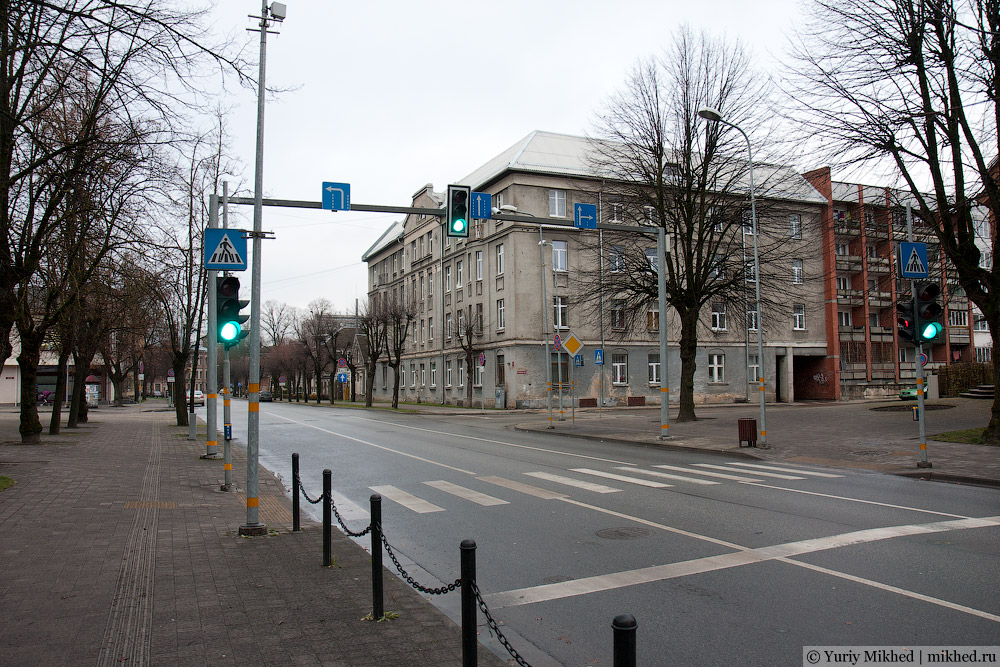
The pedestrian infrastructure is also good. Plenty of crossings, traffic lights everywhere. There are no underpasses in Jelgava, but it was just lucky in that regard because of its size—the town was small, there were few cars, no heavy traffic, so no underpasses were dug. They do exist in Riga.
A proper uncontrolled crossing—raised above the road level, which forces cars to slow down.
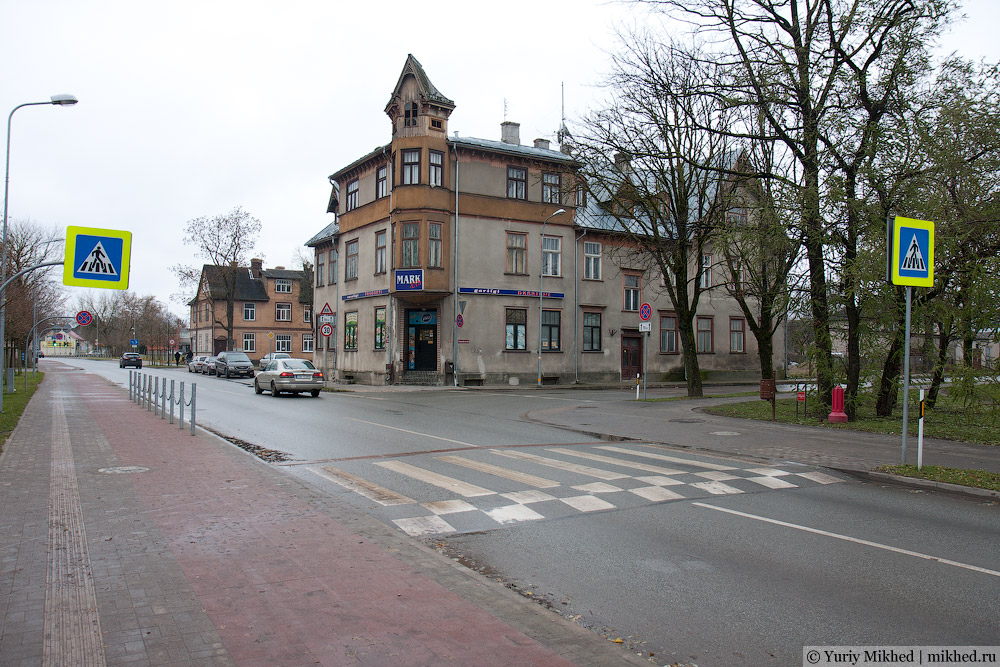
Sometimes you come across crossings with lighting and signature Latvian striped poles.
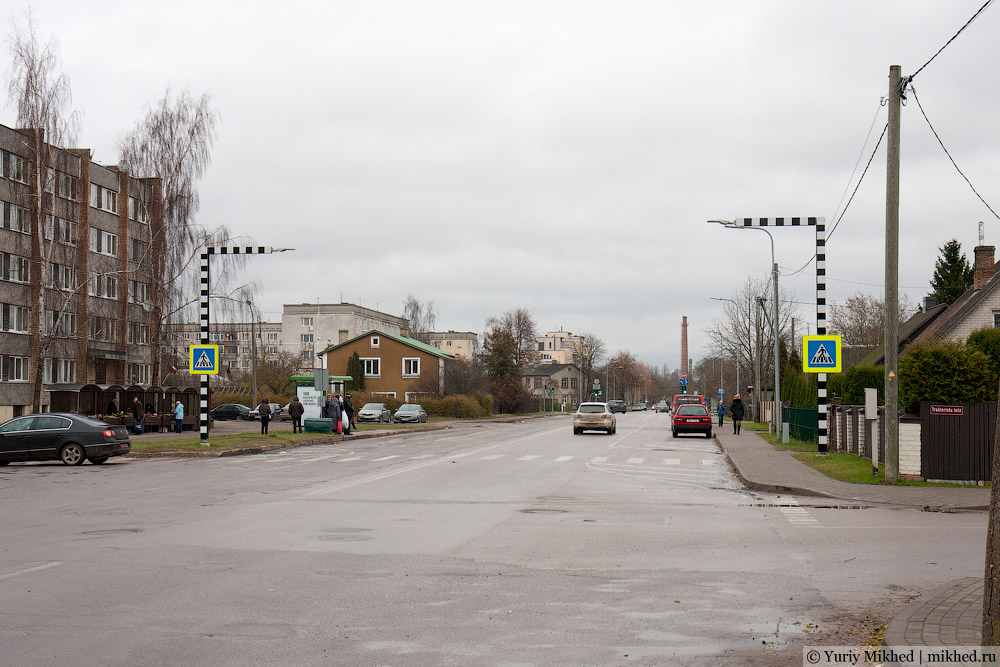
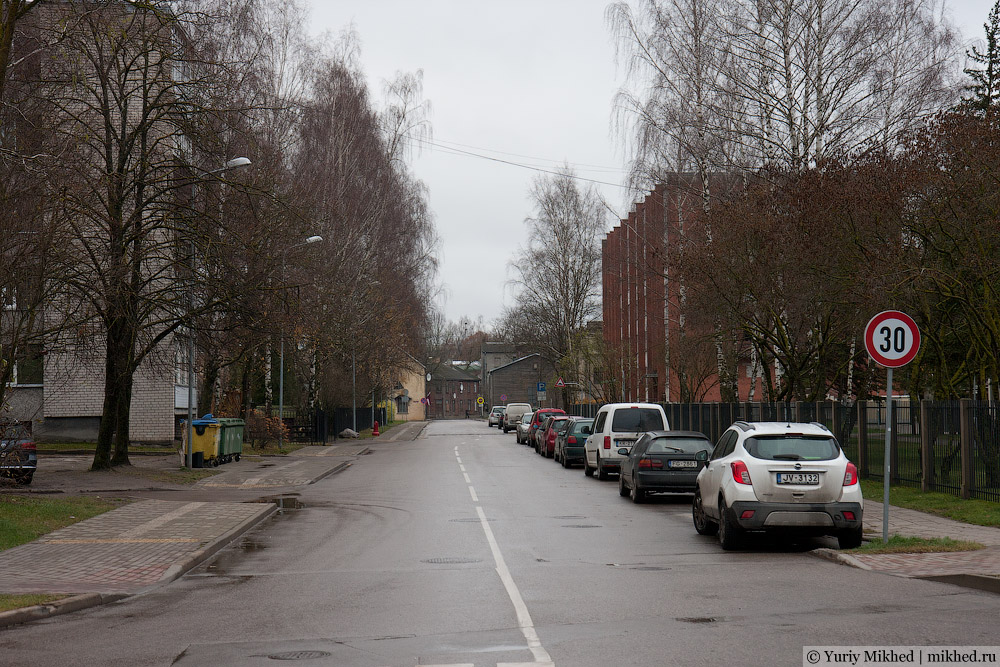
The roads are all very decent, even on secondary streets. Potholes are very rare, and road markings are visible everywhere.
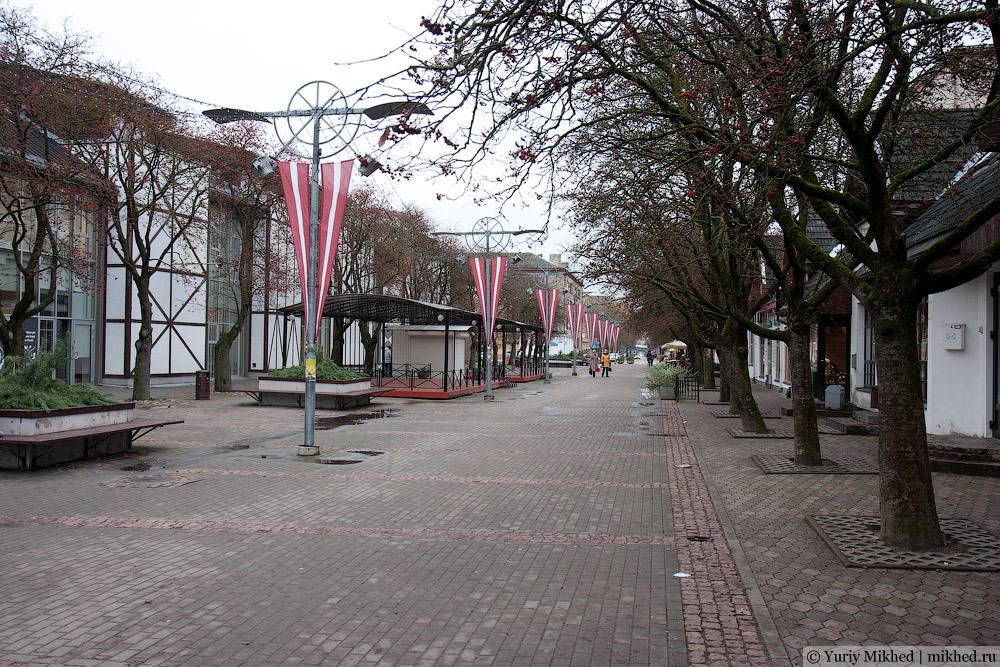
A pedestrian street like this was found. I don't remember if it already existed in my time or if it was built later. The street leads from the bus station to the new pedestrian bridge.
The best thing that has appeared in the town is the new Driksa embankment, as well as the landscaping of the island between it and the Lielupe. They did a really cool job here, especially the pedestrian bridge built to an interesting and original design, which has become one of the new symbols of Jelgava.
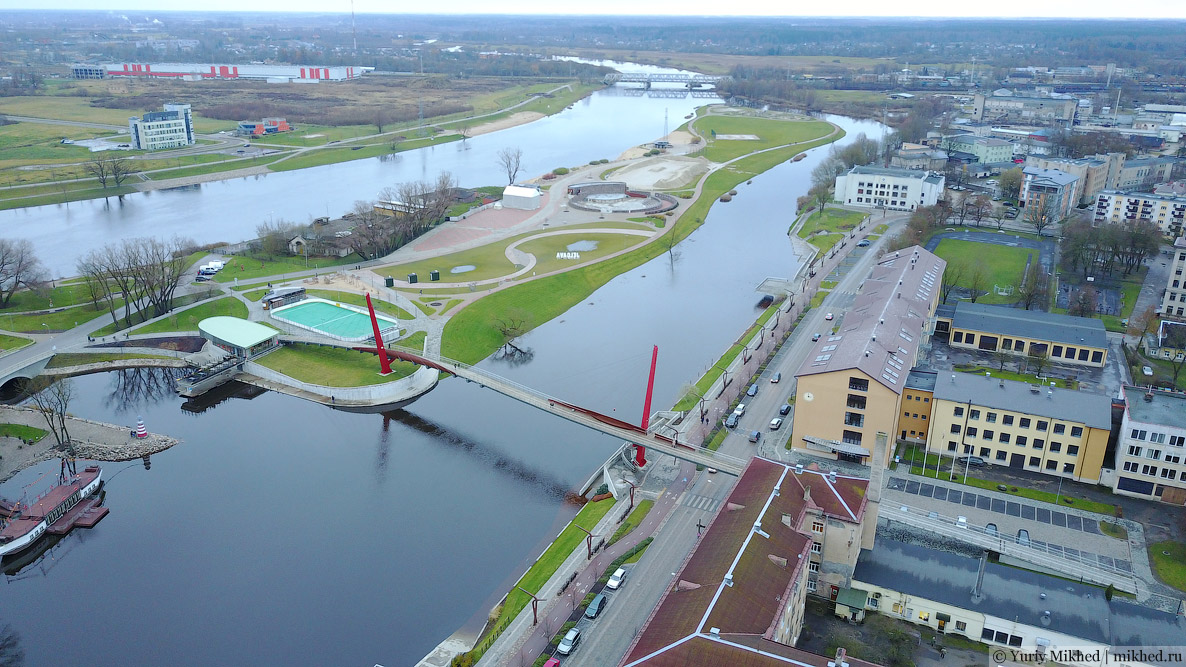
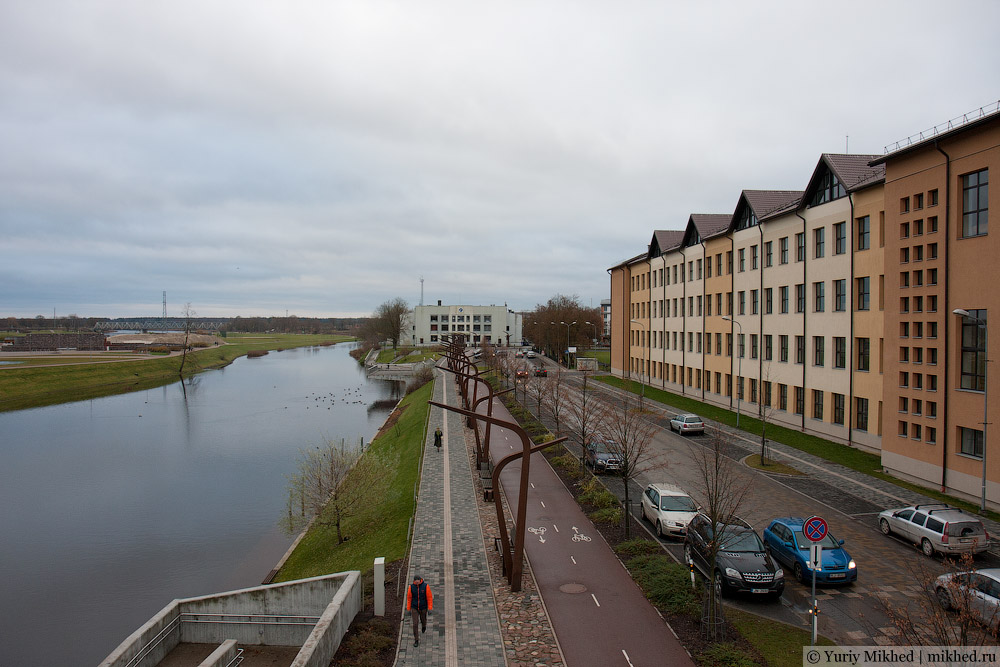
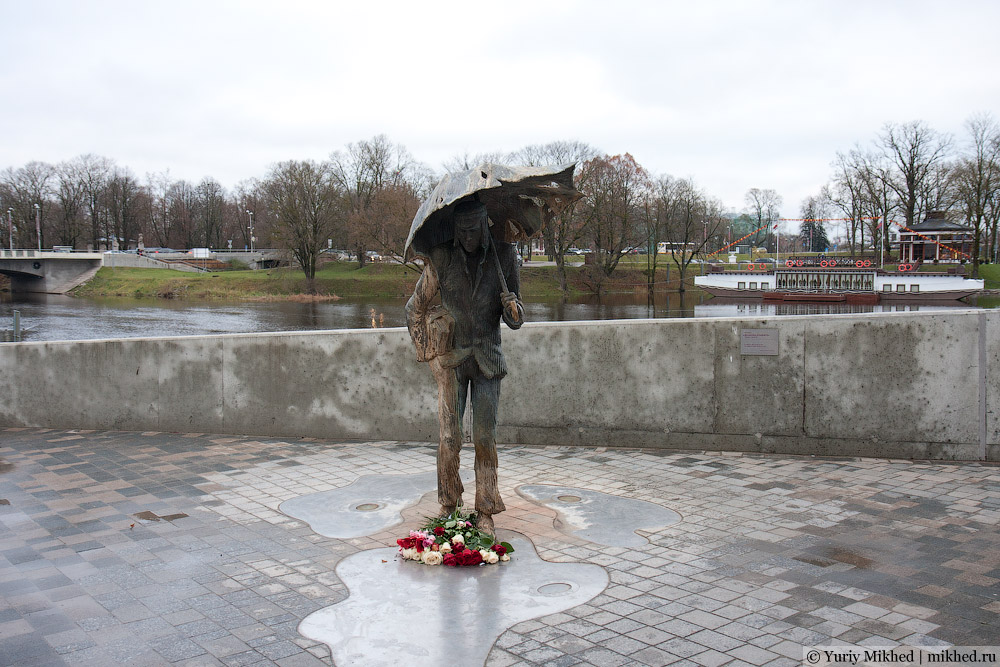
A monument to the poor student was installed here.
A very cool public area was also made in the station park.
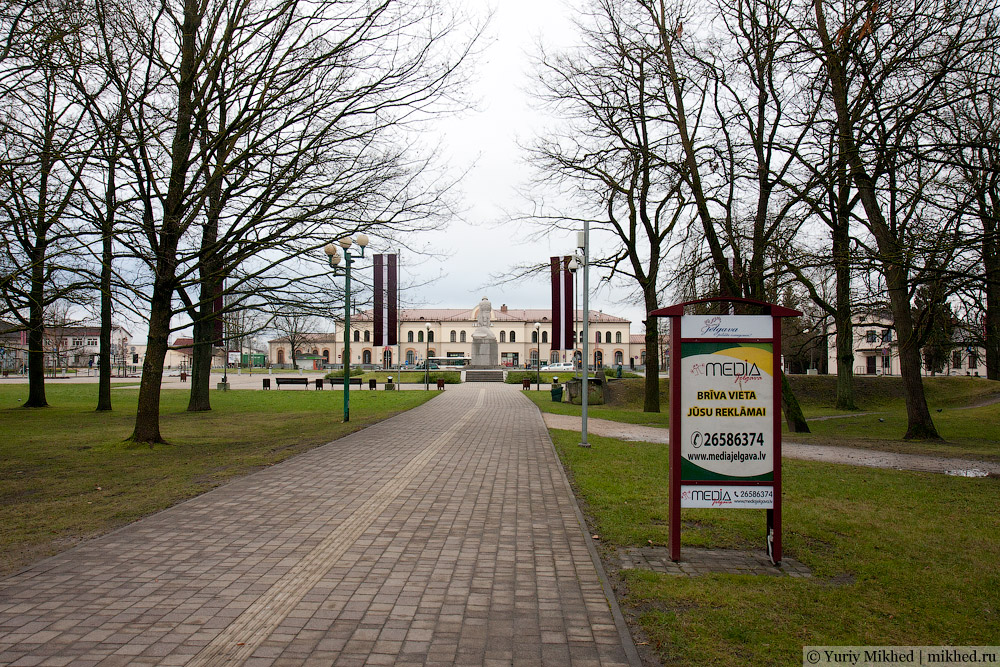
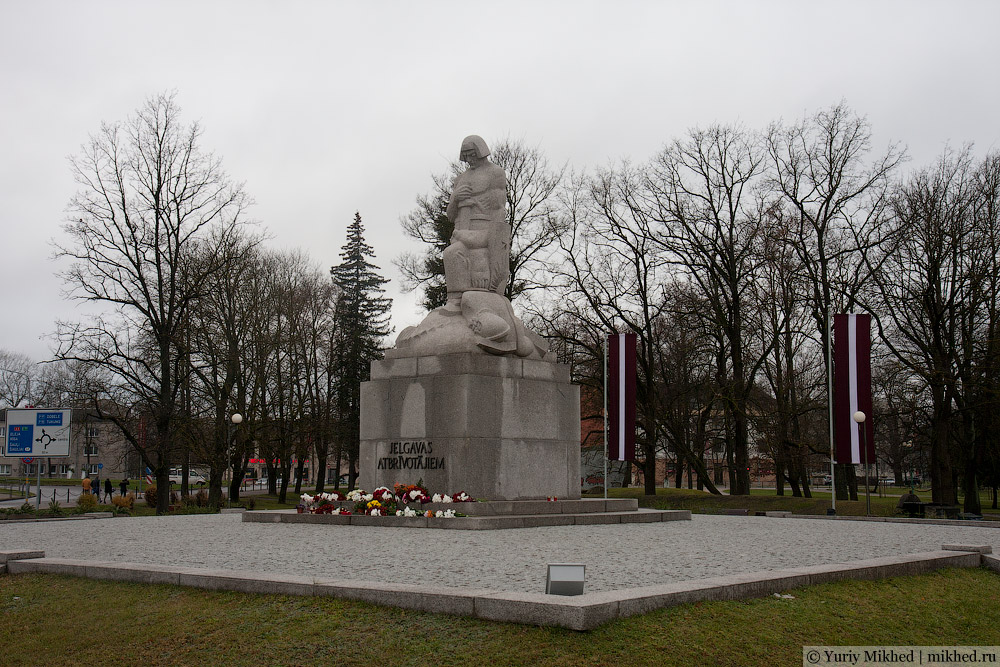
There is a monument to Lāčplēsis here (I wrote about who that is in the story about Jūrmala). The monument is a replica—the original was erected in 1932 and destroyed by the Germans in 1941. Its surviving fragment is displayed near the Academia Petrina, and the new monument was erected in 1992.
Some Khrushchev-era apartment buildings have undergone capital repairs. Mind you, this is rather the exception.
All the town buses are new, and, surprisingly, of local assembly—in 2004, Luzhkov (the then mayor of Moscow) built a factory in the town for the production of buses and tractors, named "AMO Plant". The enterprise was engaged in the final assembly of several licensed models of machinery from foreign companies, including "Ambassador" buses by the Dutch company VDL Berkhof, which equipped the town's bus fleet. Alas, in 2015, the enterprise went bankrupt and closed down.

About the Bad
Now let's look at the shortcomings. They catch your eye immediately as soon as you turn off the central streets.
In Soviet times, Jelgava was predominantly an industrial town—there were several factories here, the largest of which was RAF, which supplied the entire USSR with "rafiks" (RAF-2203 "Latvija" minibuses). From this, one can guess that a significant part of the population was non-native. Latvians were in the minority (they made up 49%), the rest were arrivals from other republics of the USSR (Russians, Belarusians, Ukrainians, etc.). When Latvia became independent, the demand for the factories' products dropped almost completely, the enterprises closed down, and people were left without work. The situation was aggravated by the fact that the non-native population did not know the Latvian language and did not receive Latvian citizenship, which further worsened their economic situation. This triggered a large outflow of residents (in 1989, 74,000 people lived in Jelgava, today only 58,000), which continues to this day. All these factors led to the economic crisis being felt particularly acutely here, and even today Jelgava remains one of the less prosperous towns in Latvia.
One of the worst impressions was left by the courtyards. It looks like the tarmac here was last laid back in Soviet times. And it's like this almost everywhere, regardless of proximity to the centre.
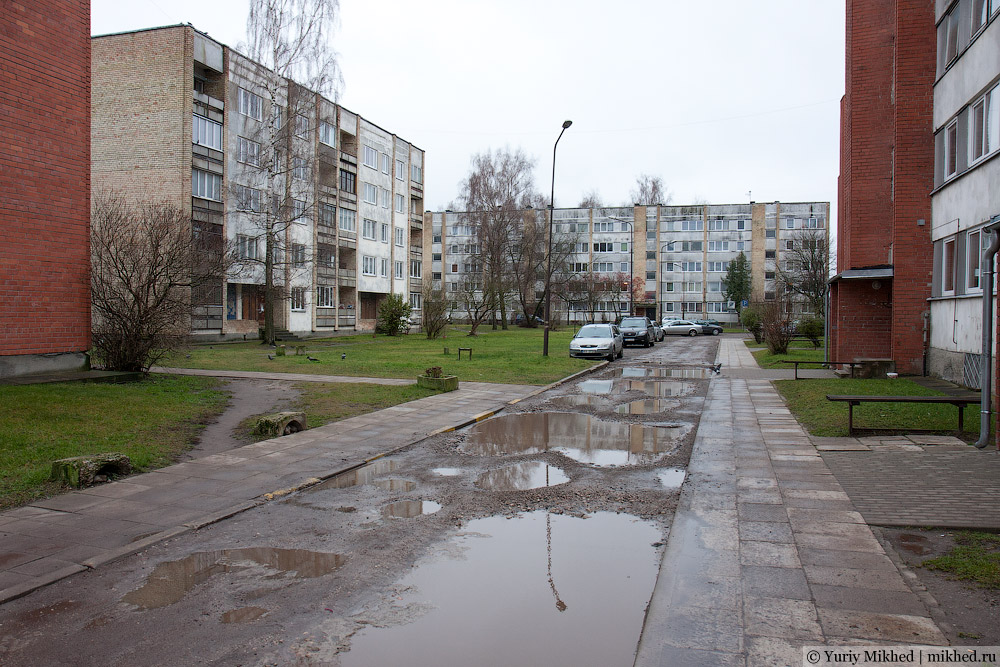
The same applies to the pavements and houses. Most of them have never been repaired.
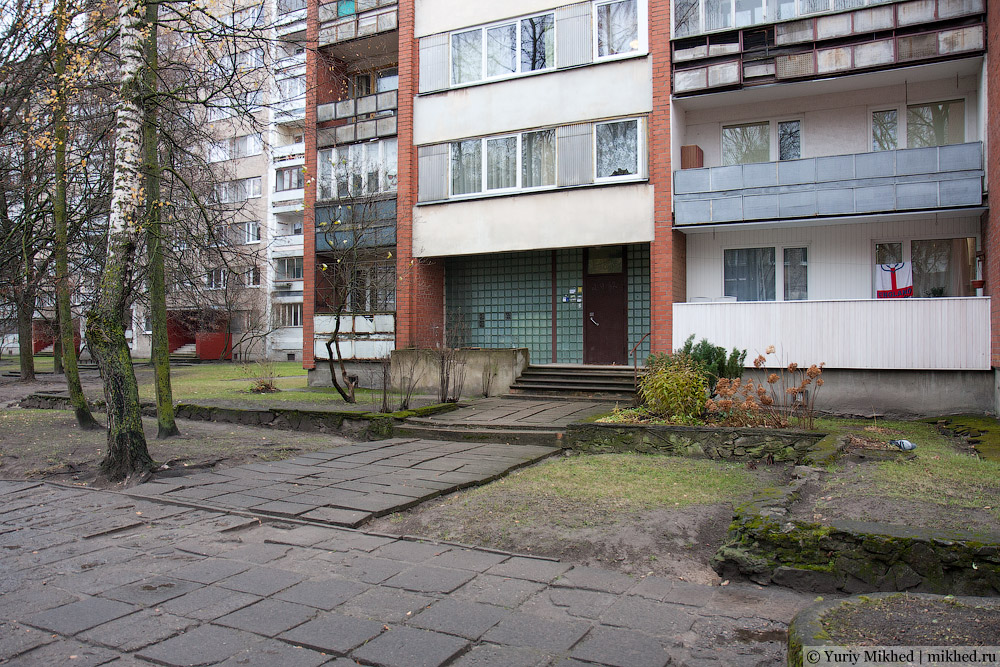
Courtyards.
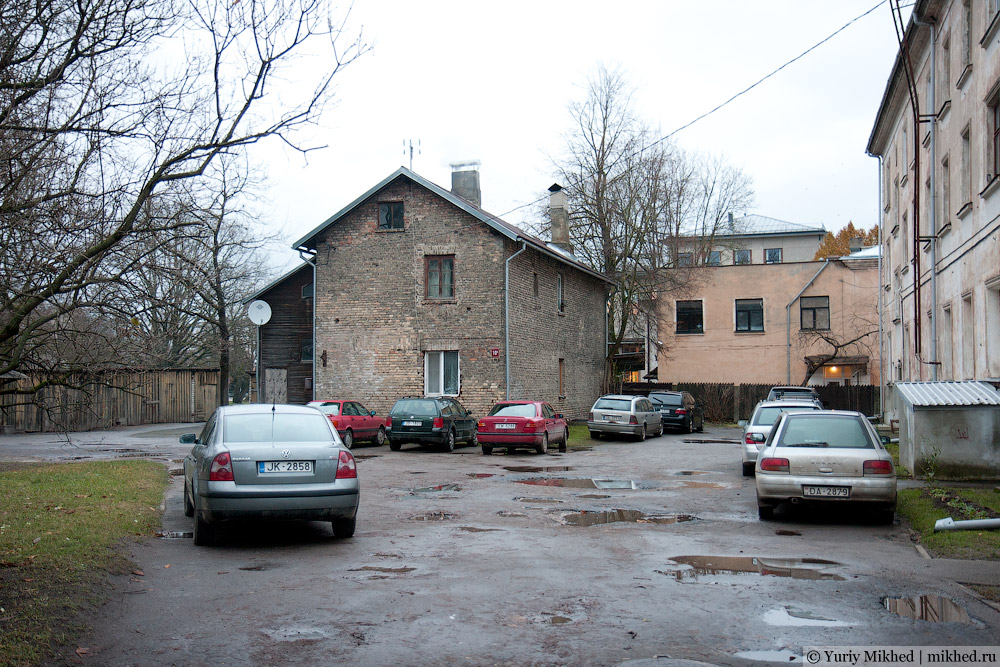
Just like back home, there are plenty of people who love parking on lawns.
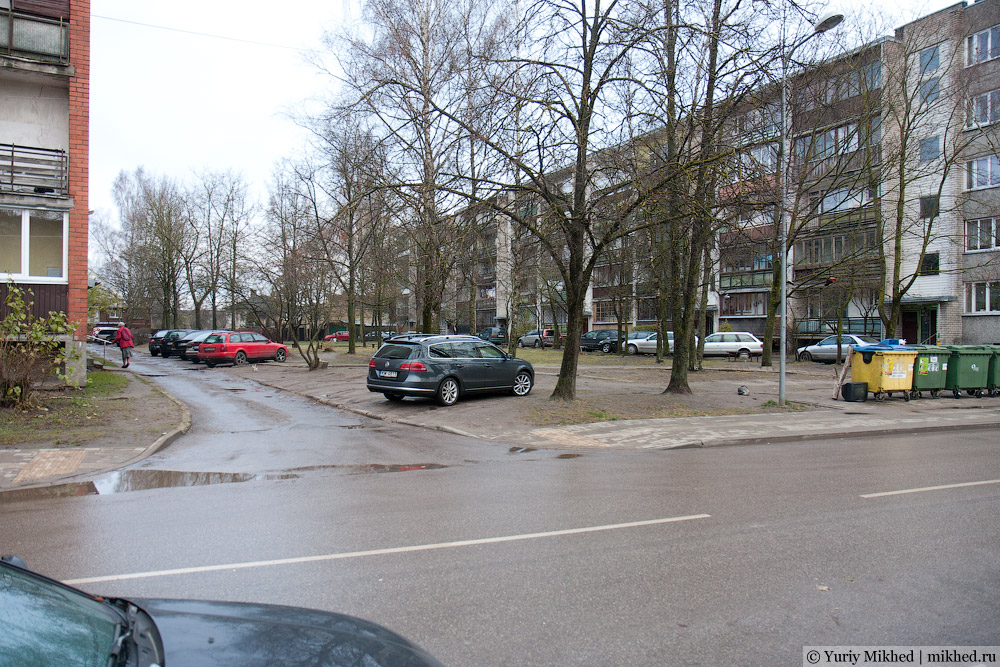
(Although in general, parking in courtyards is more organised).
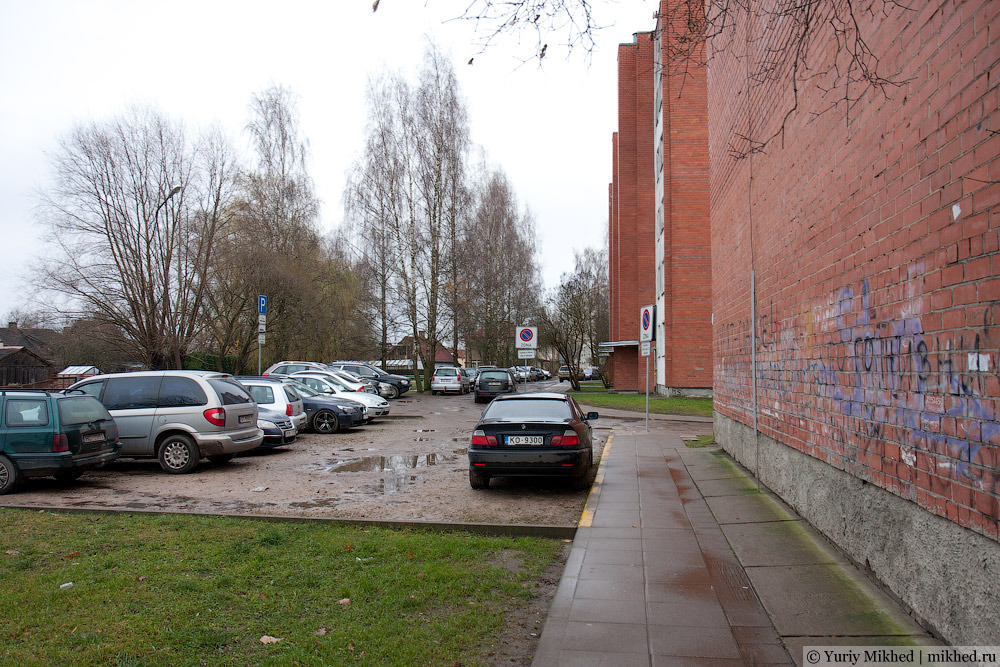
Many old houses are dilapidated.
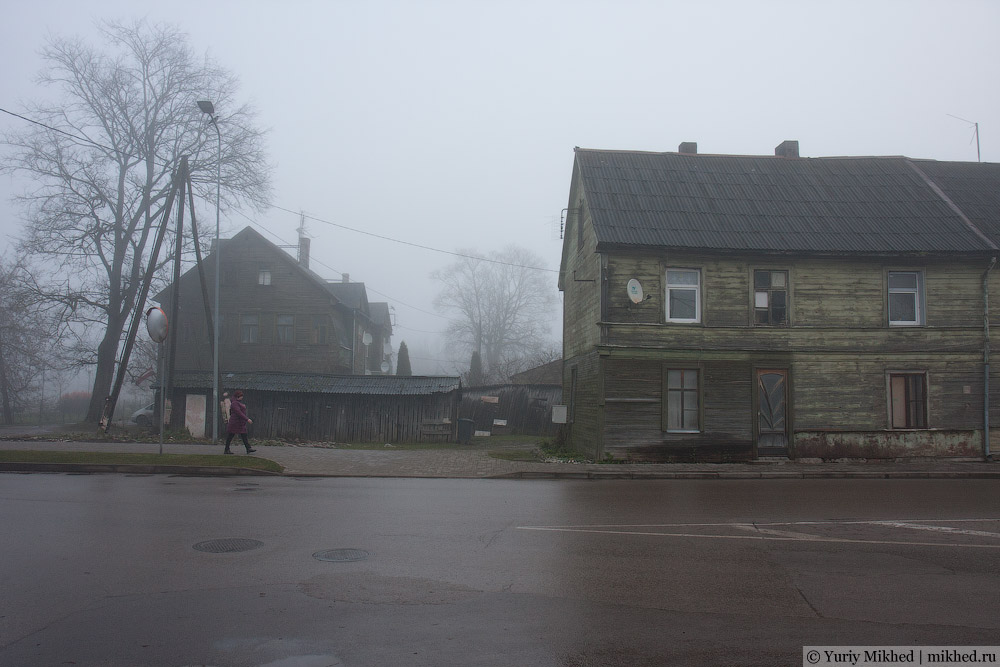
The bus station apron looks like it was hit by a bomb.
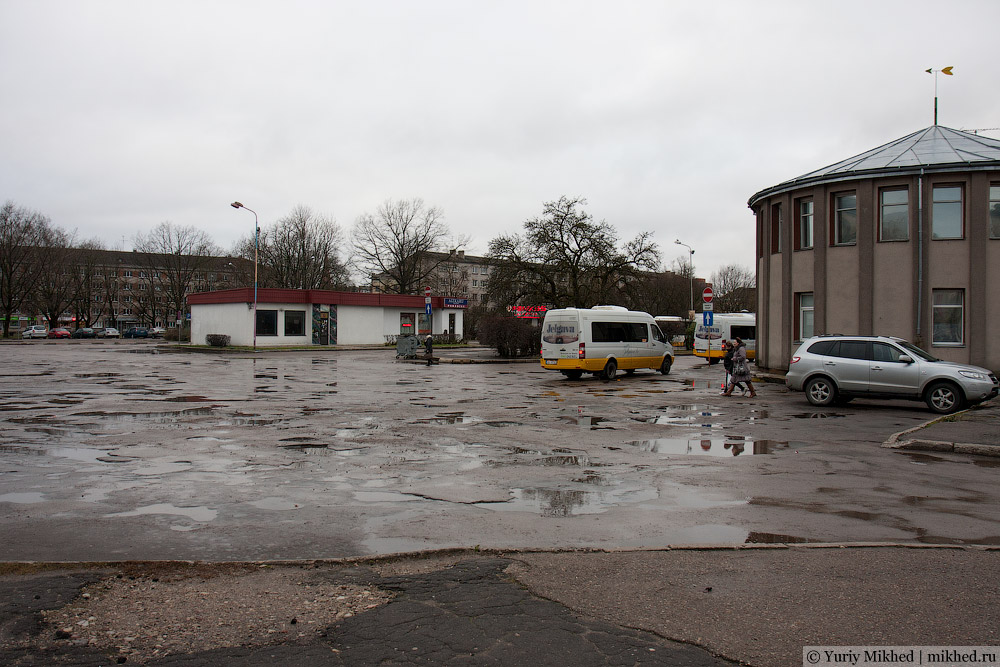
Urban improvements haven't made it here yet.
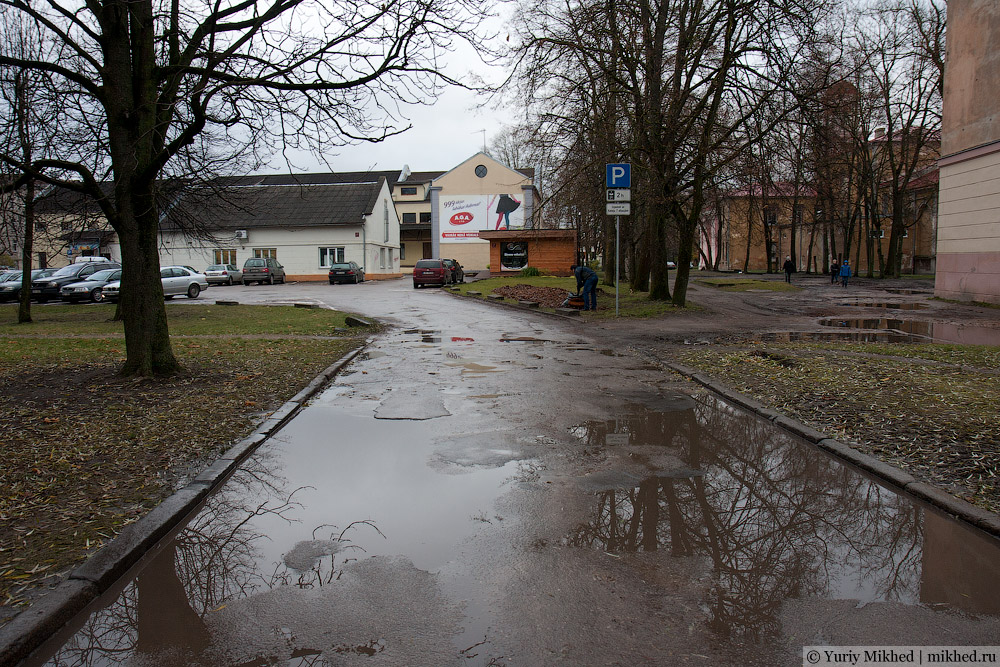
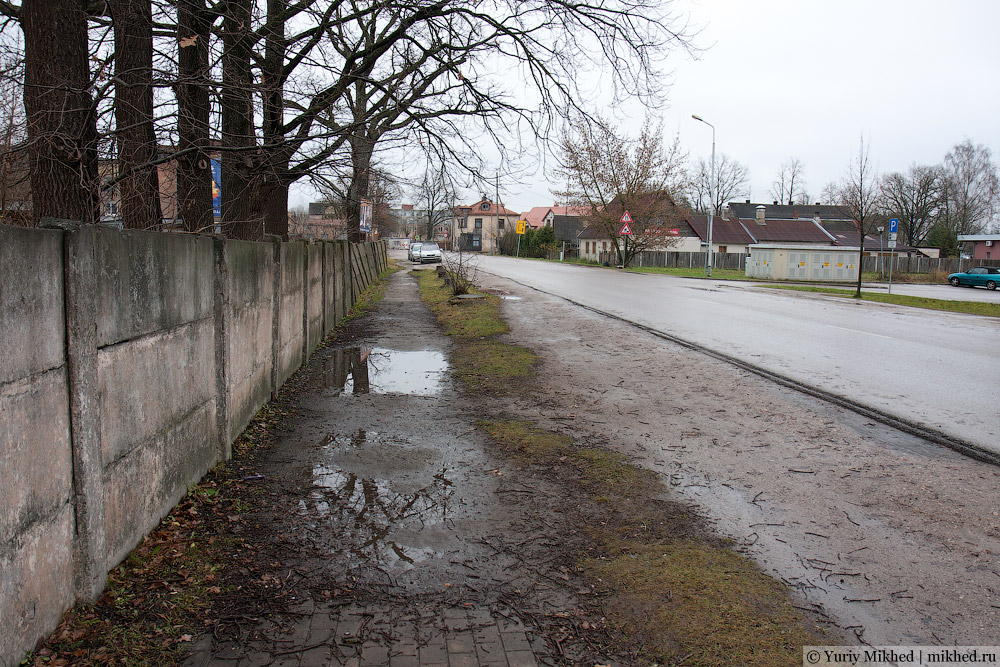
With pavements, things are not smooth everywhere either.
The real shocker awaited me at the town market, which is stuck in the nineties. Right there, some drunk gopnik attacked me (interestingly, he was Latvian, although most anti-social individuals in Latvia are Russian-speaking), who first started asking for money, and when I refused him, began grabbing and threatening me. Fortunately, he was very drunk, so dealing with him wasn't difficult. It's been a long time since gopniks attacked me, it really brought back childhood memories :-)
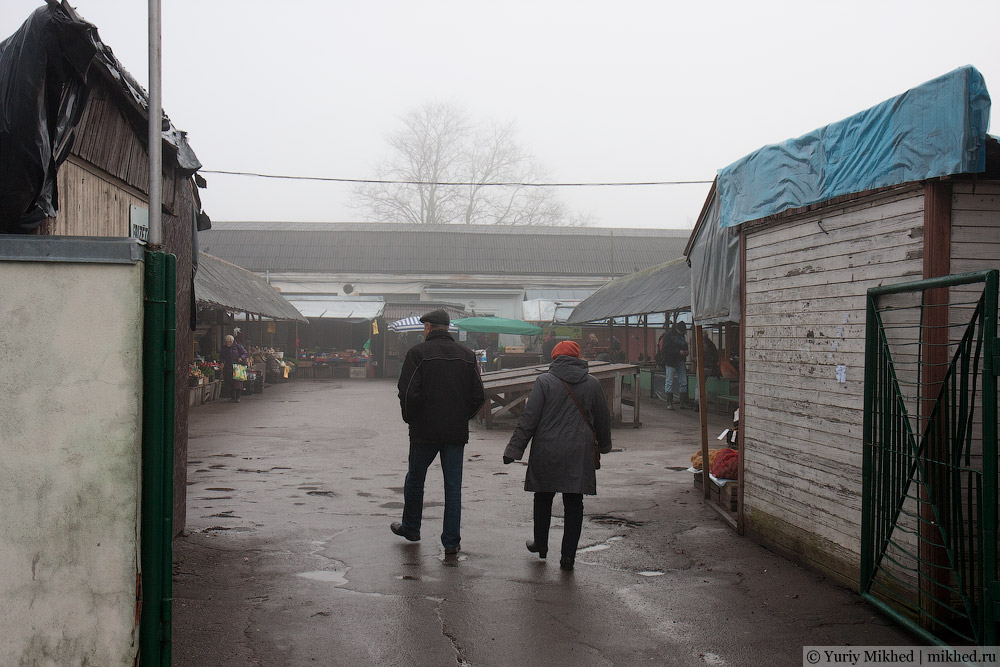
In general, the condition of Jelgava seemed better to me than the condition of Kaunas, but far from ideal.
Details
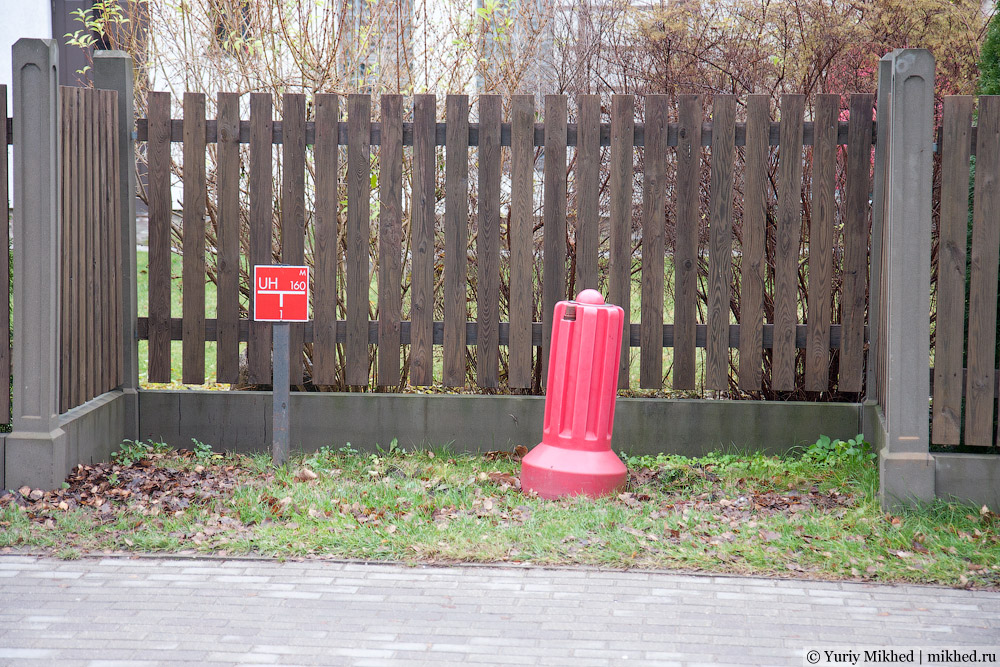
A completely unique feature was discovered in Jelgava: plastic bollards indicating the proximity of a manhole with a fire hydrant. This is not an above-ground hydrant, as happens in North America, but precisely an indicator. The hydrants themselves, as is customary in Europe, are located in manholes, the exact location of which is indicated on a sign standing nearby. The bollards come in 2 types—thin and thick.
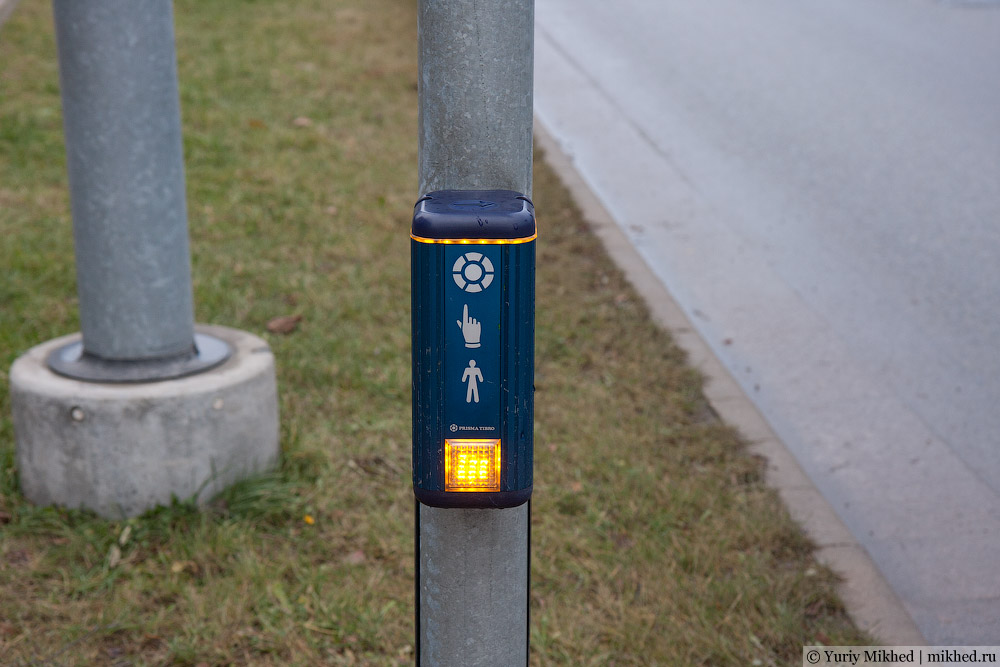
A traffic light button. I've definitely seen exactly the same one somewhere before, but for the life of me, I can't remember exactly where. In Denmark, I think.
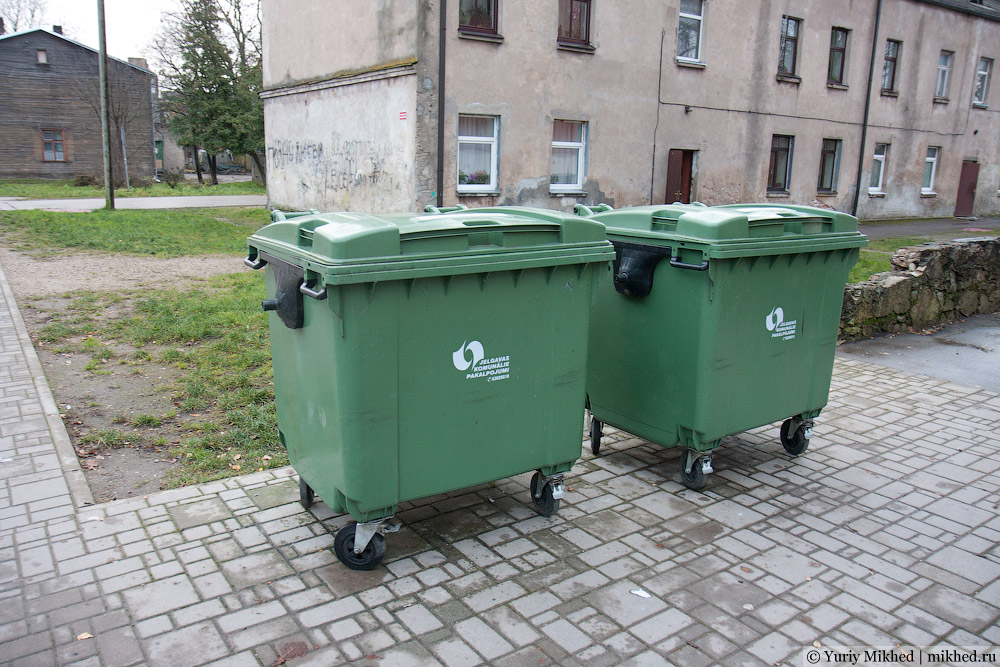
The bins also say hello to Kaunas.
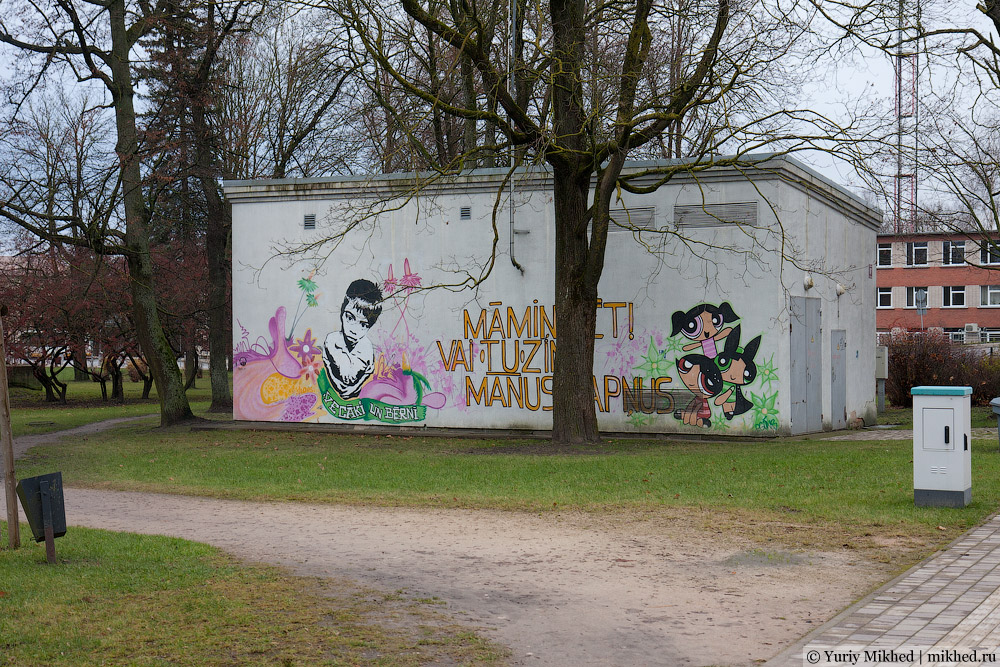
Graffiti.
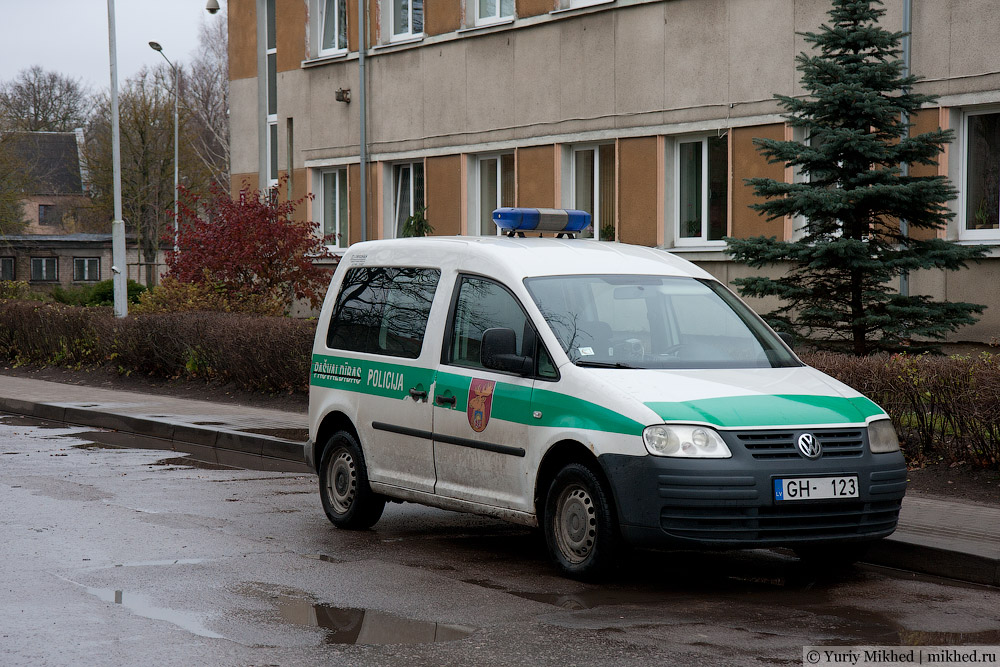
A police car. Cars with a green stripe belong to the municipal police (that is, the one under the jurisdiction of the municipality), and if the stripe is black, to the state police. The municipal police are mainly responsible for public order, detaining petty offenders, and issuing parking fines. More serious crime is dealt with by the state police. They are also responsible for road traffic. In most cases, the green stripe will be the analogue of our beat police, and the black one—traffic police.
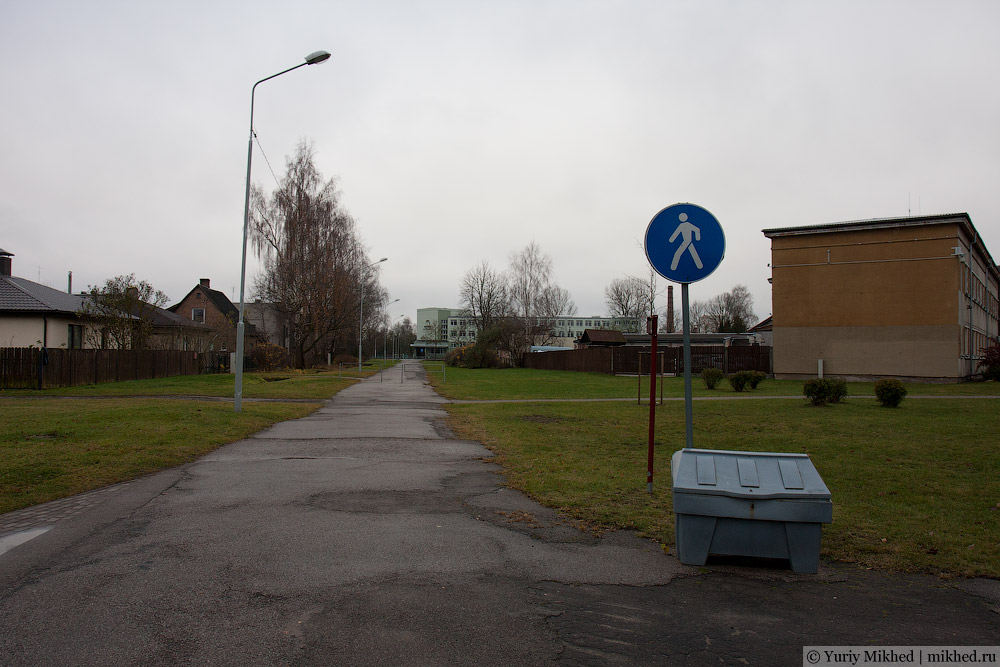
A sand box.
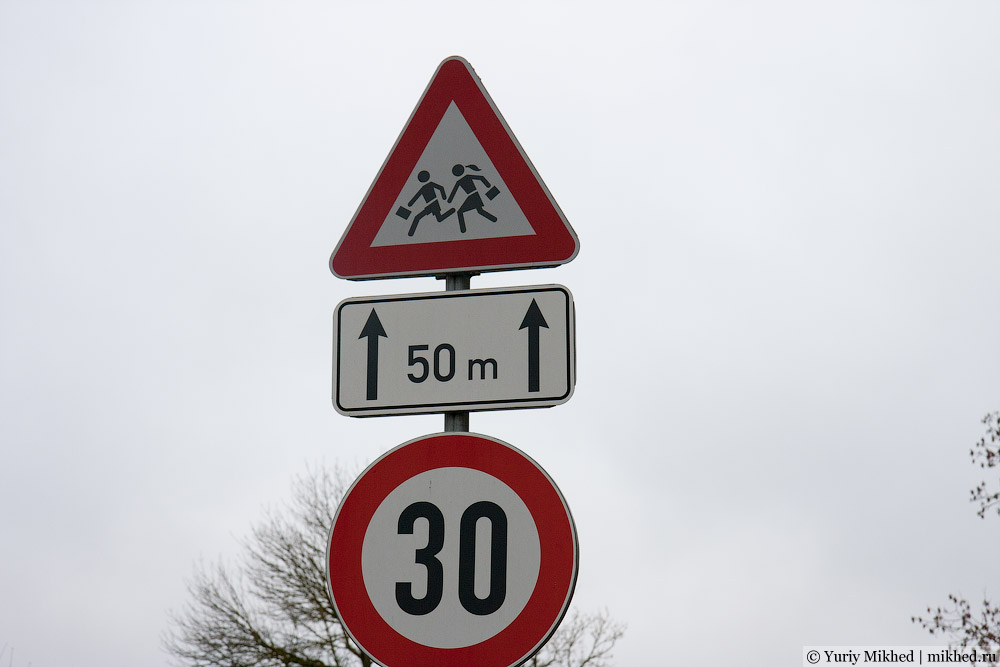
Pictograms.
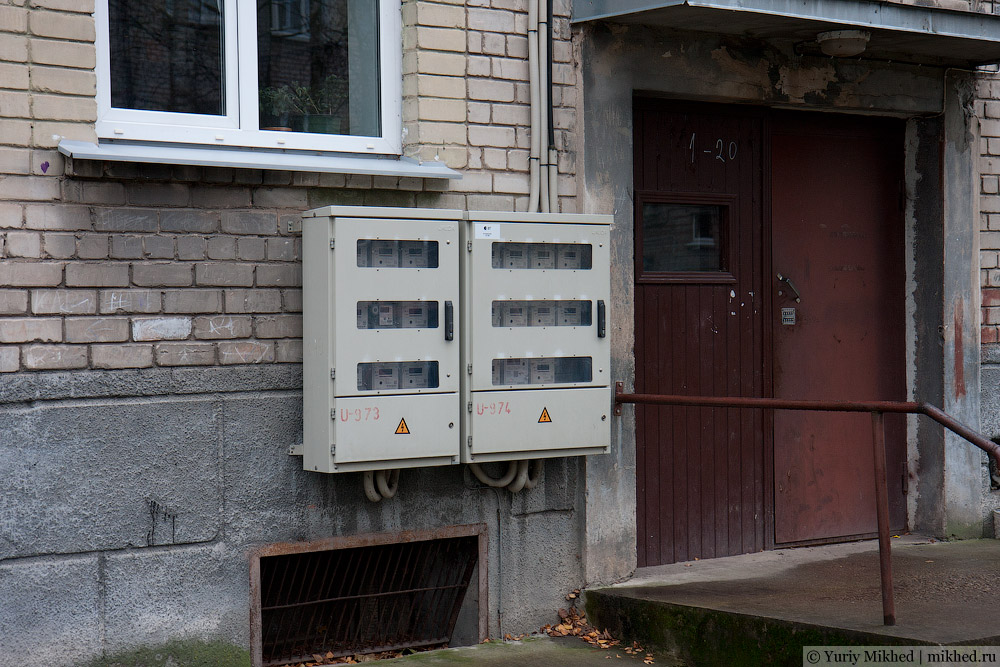
Electricity meters and letterboxes are sometimes hung outside.
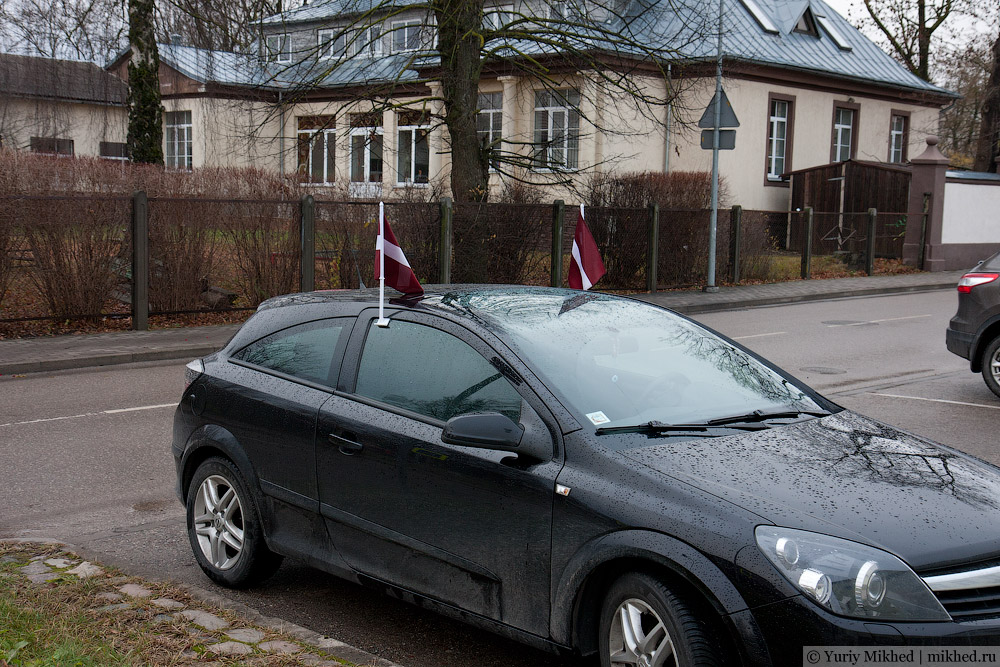
Latvian "ride with pride". As already mentioned, Latvia celebrates Independence Day, and there are many flags on the street. There is a law in the country under which on public holidays every owner of every building is obliged to display a flag. Some do it with pleasure, and some by compulsion, because they are fined for failing to display it.
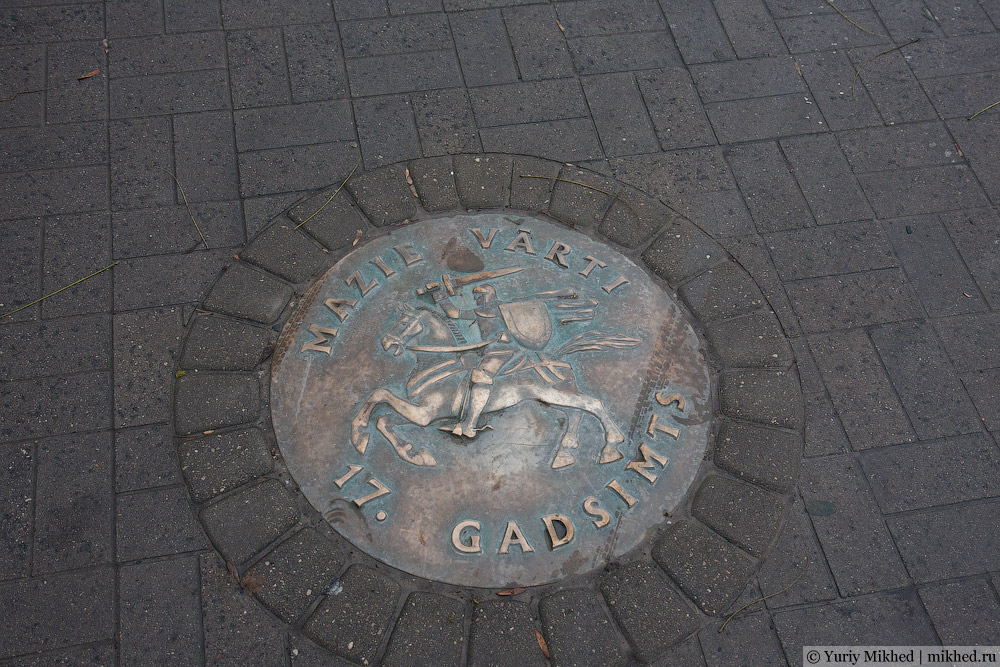
Pahonia—Belarusians and Lithuanians will like it.
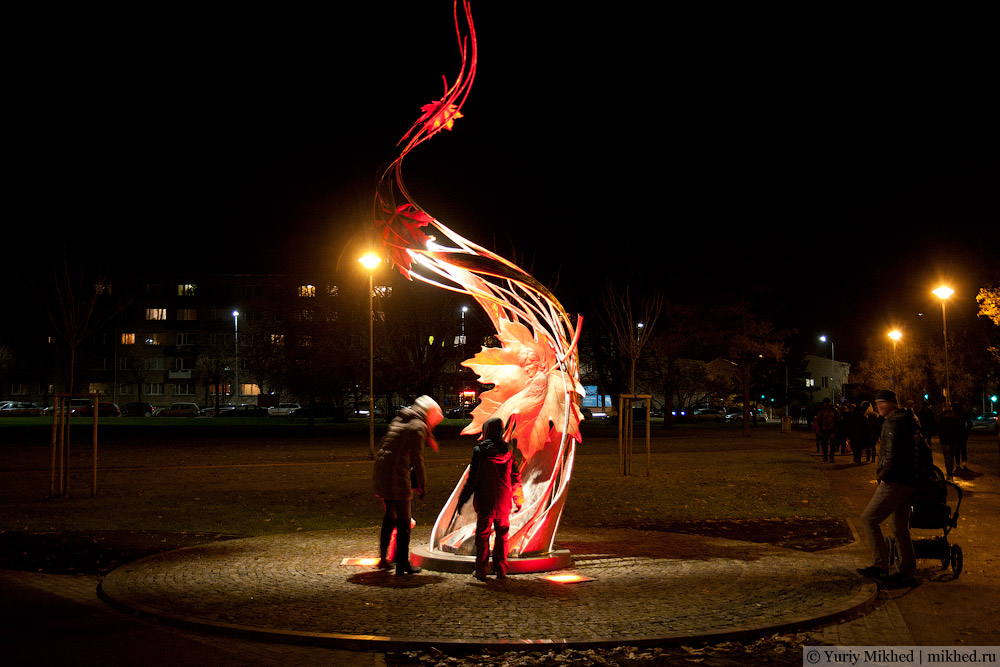
A beautiful monument to the pop singer Nora Bumbiere. The monument illustrates the most famous song performed by her, "Par pēdējo lapu" ("Skaties, ceļiniek! Tur augstu, augstu gaisā / Staigā ziemelis un māsas lapas kaisa"), in the Russian version—"Листья жёлтые над городом кружатся". In the seventies, this song to the music of Raimonds Pauls was an all-Union hit.
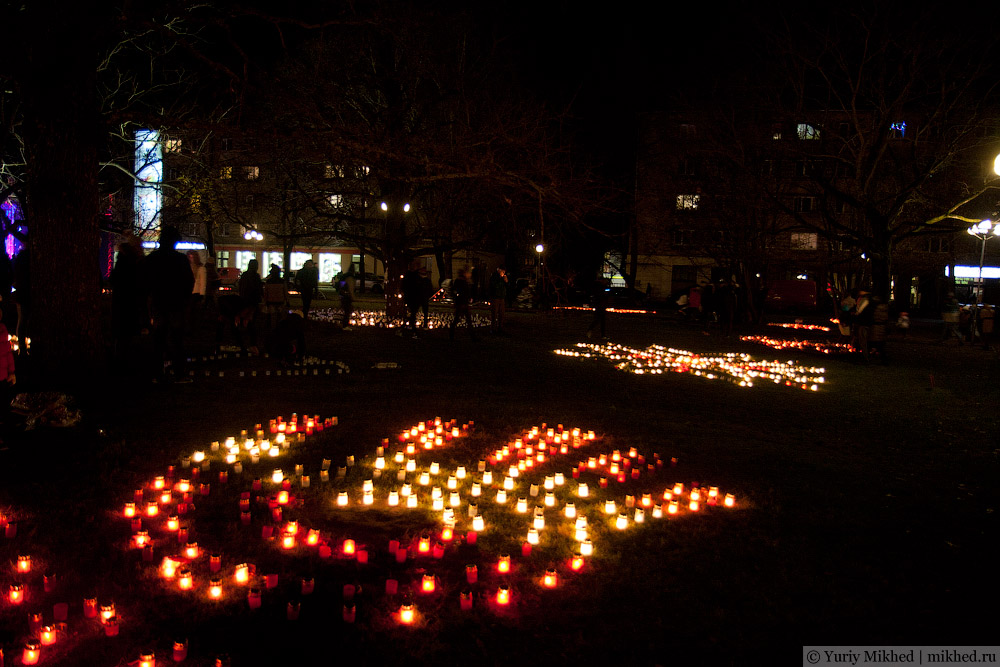
On Independence Day, there is a tradition in the square near the square to lay out shapes from candles. Beautiful!
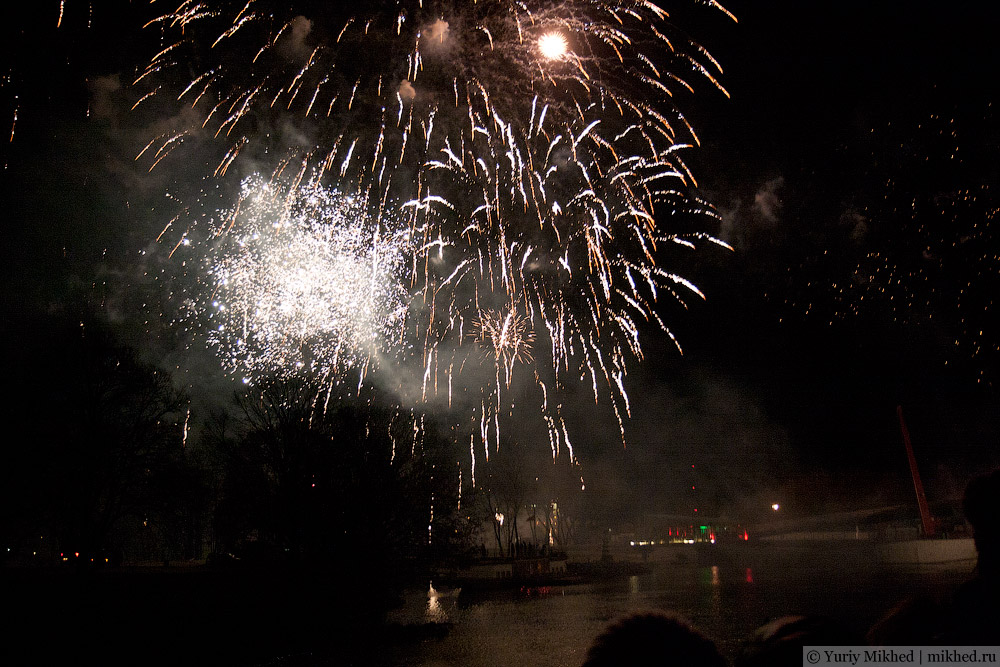
On the evening of 18 November there were fireworks. And in the next story, there will be views of Jelgava from a height.