Nākotne
Jelgava Municipality, Latvia, November 2017
Google Maps, Yandex.Maps
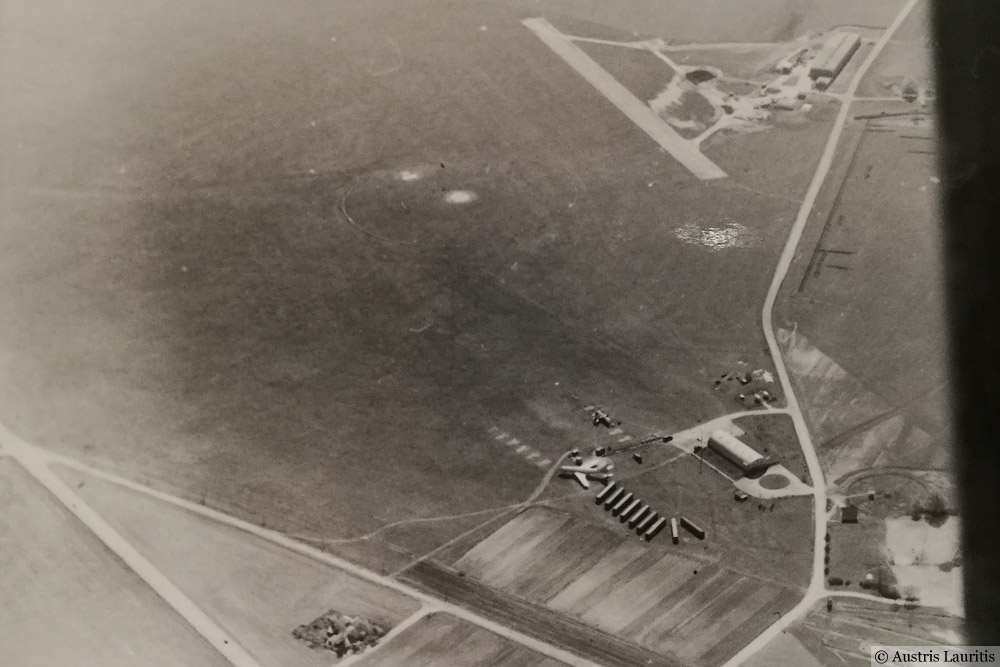
In the evening after Jūrmala, I headed to the town where my childhood was spent — Jelgava, where I stayed with Austris, who back then was a sports parachutist at the aerodrome where my mother worked. That was exactly where uncle Austris and I went first thing the following morning. A few years ago, I wrote a memoir-story about this now-defunct aerodrome in Nākotne, and now I was about to see those places again. In the second half of the eighties, the aerodrome looked like this (photo from Uncle Austris's personal archive, click to toggle captions).
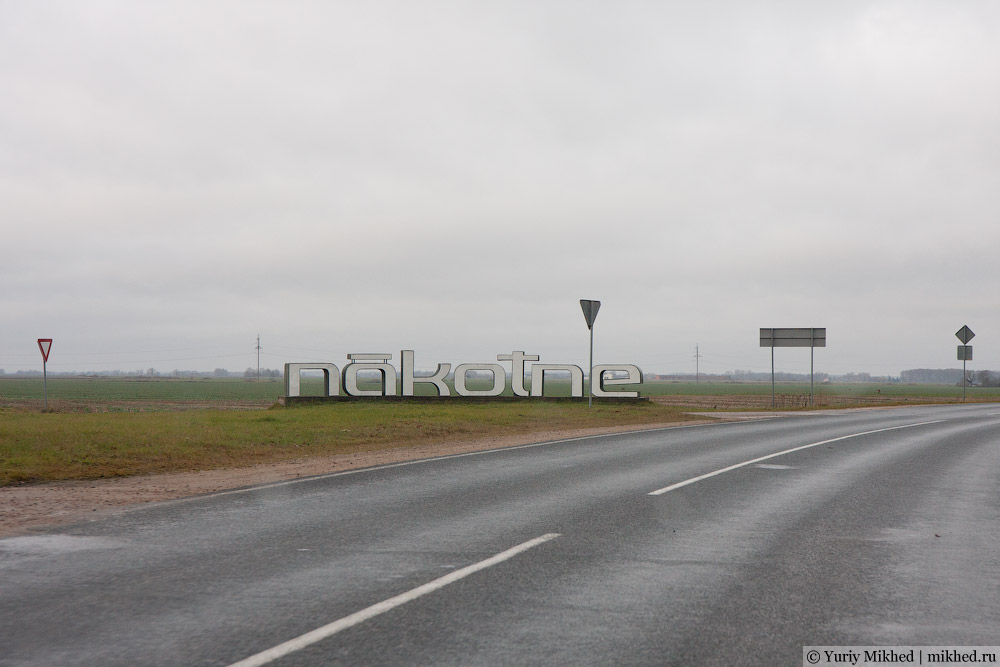
Driving from Jelgava. At the fork in Dorupe (left to Glūda, right to Nākotne), the large sign still stands.
Surrounded by agricultural land.
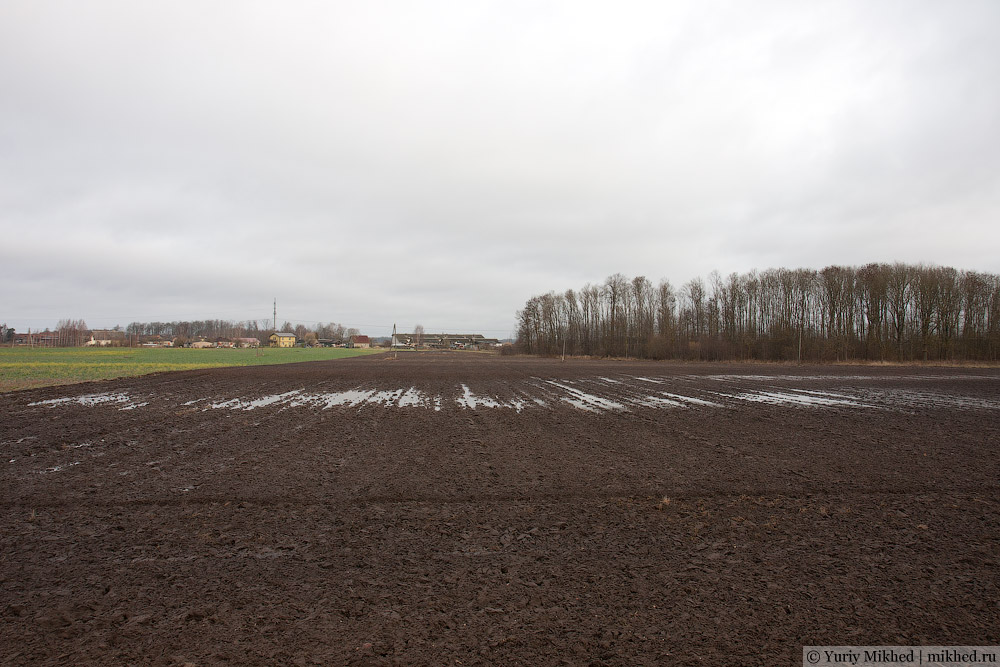
A few minutes later, a view familiar since childhood but now hard to recognise appears. Here is our airfield.
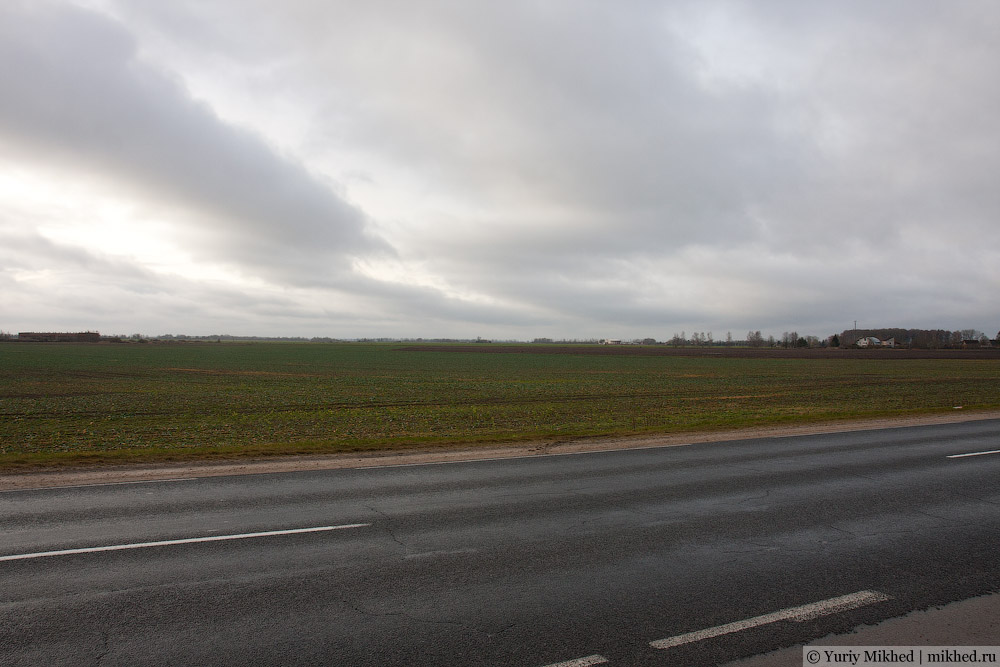
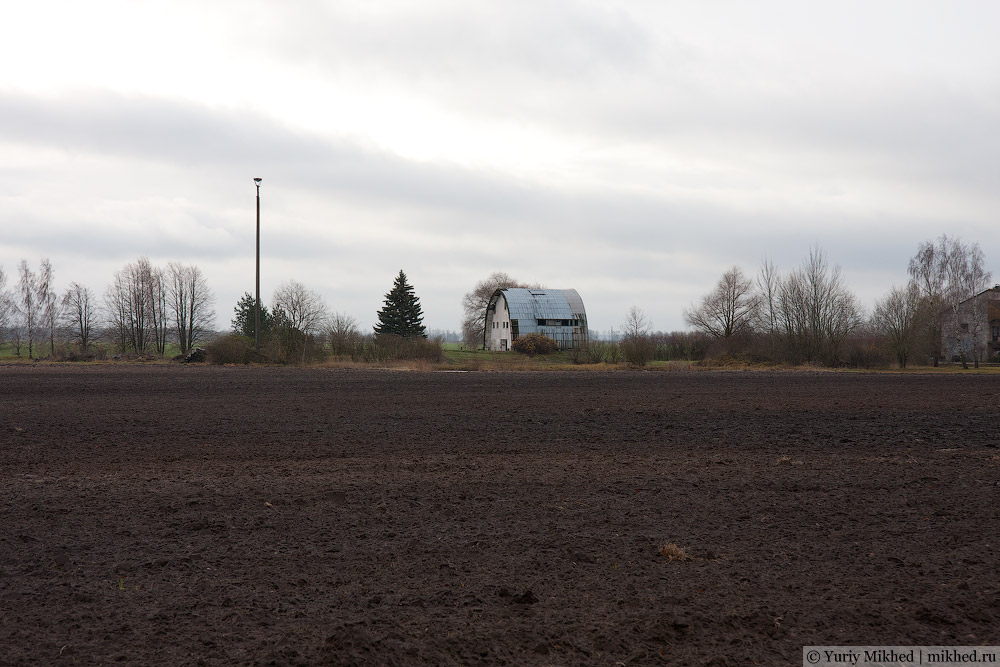
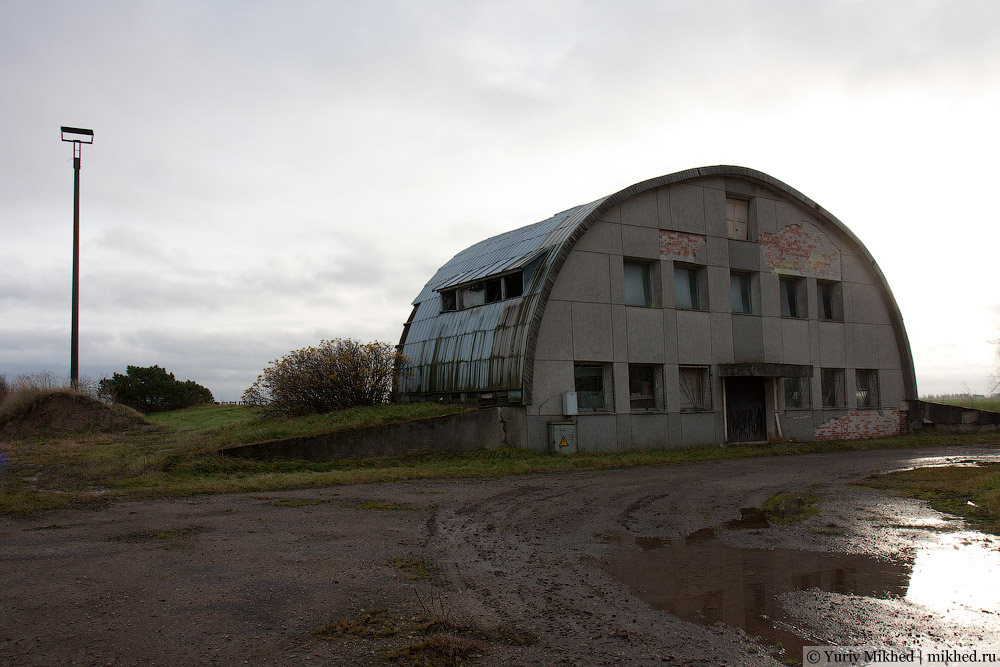
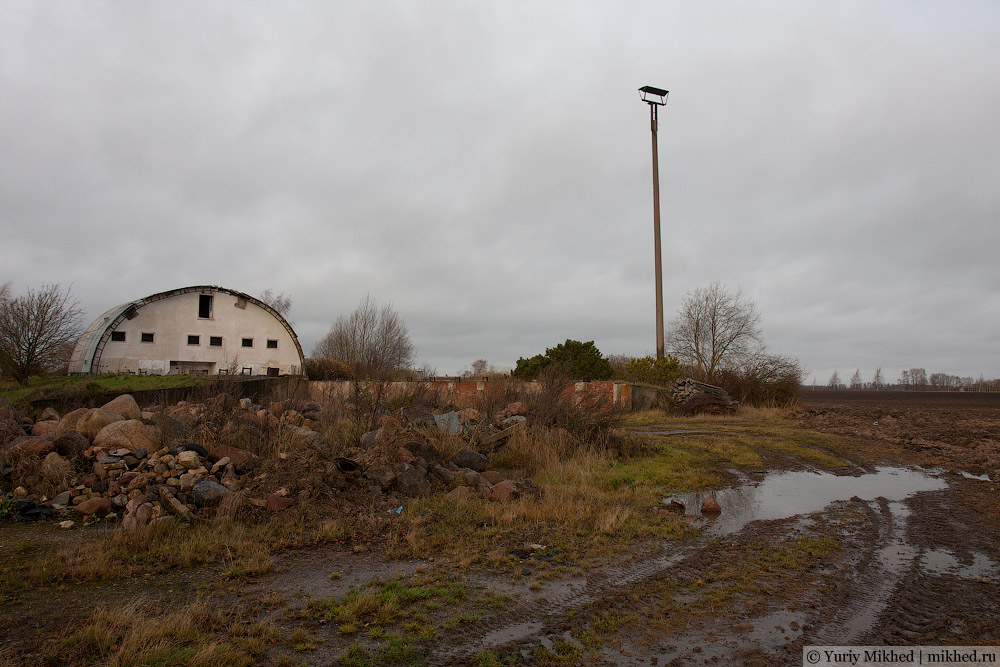
A lot of water has passed under the bridge since those days. Of what used to be there, only a part of the hangar and a lighting tower next to it have survived.
At the turn, however, everything is just the same — the same brick house, and the same shed for chemicals.
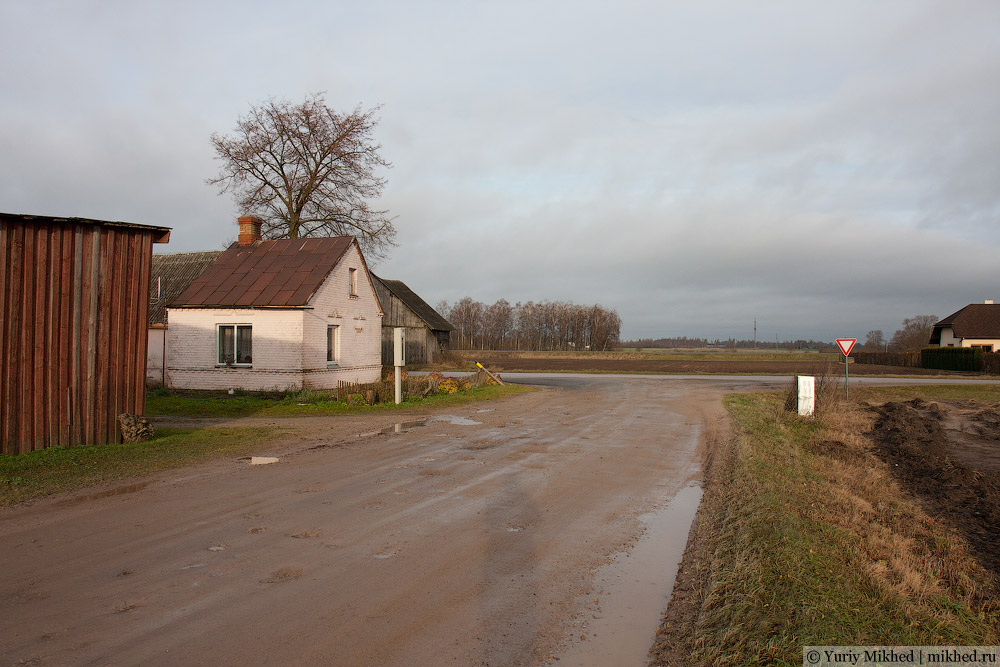
There is still no tarmac on the road, just like before.
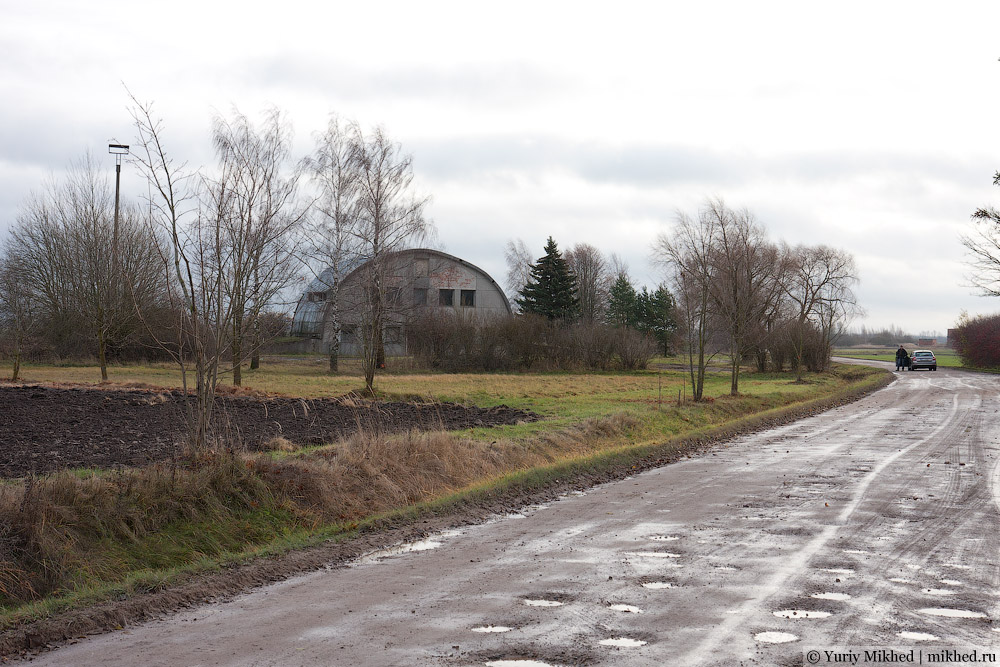
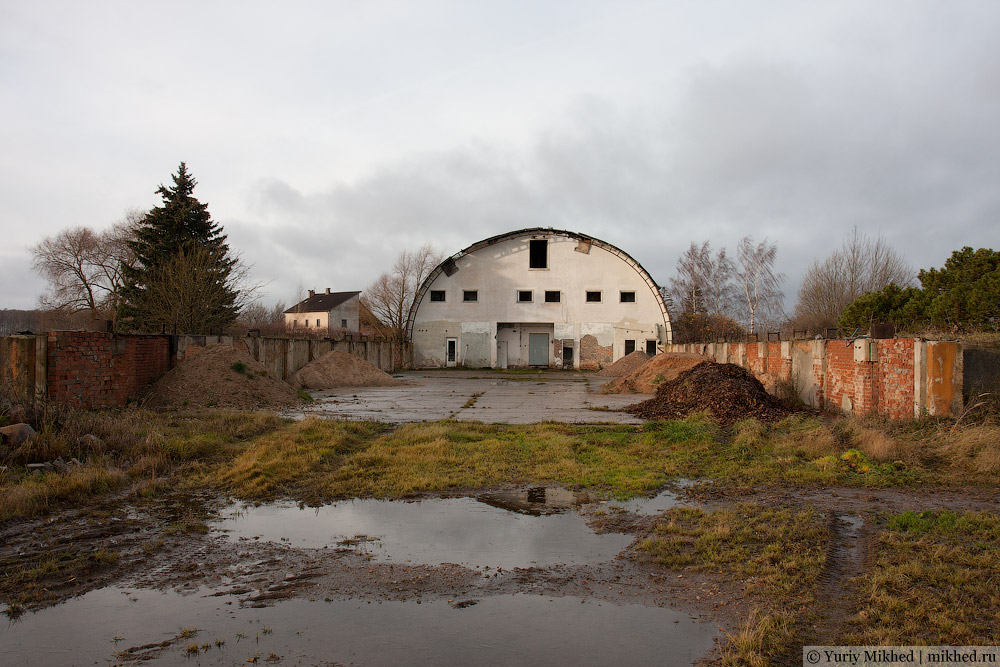
About a quarter of the hangar remains (the rest was cut up for scrap metal). On the ground floor on the left, there was a parachute storage; I don't remember what was on the right. On the first floor, there was an instructors' room, the office of the aeroclub chief, Mārtiņš Dirnēns (in Russian he was referred to as Martin Mikhailovich Dirnen), some other offices, and a medical station (side windows). On the second floor, there was a large room with iron beds (presumably where skydivers could sleep during training camps).
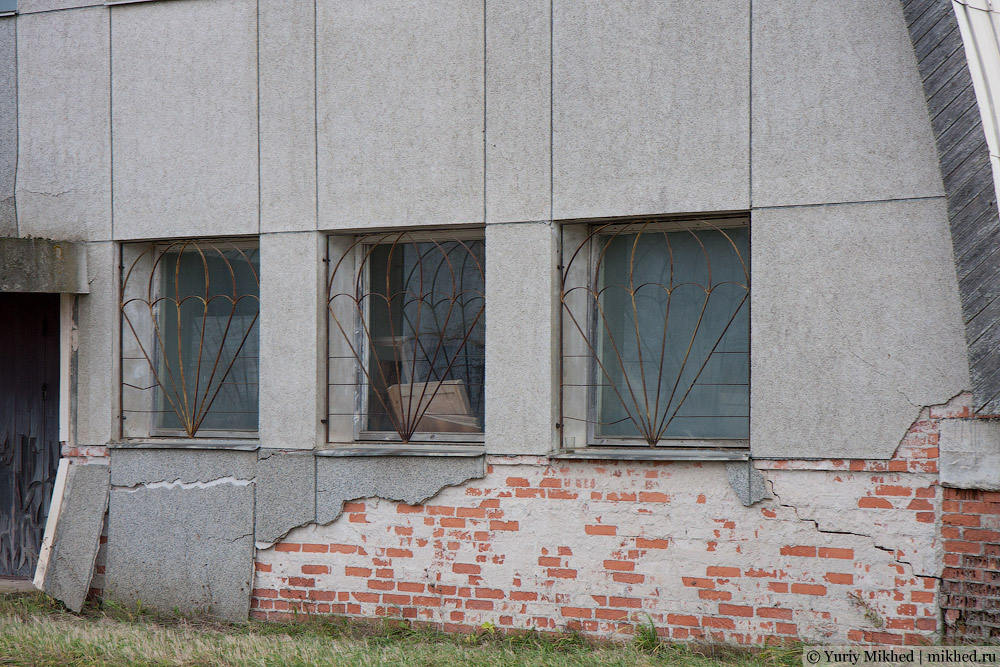
In the windows of the lower floors, reminiscent of old times, the grilles shaped like parachutes are still there.
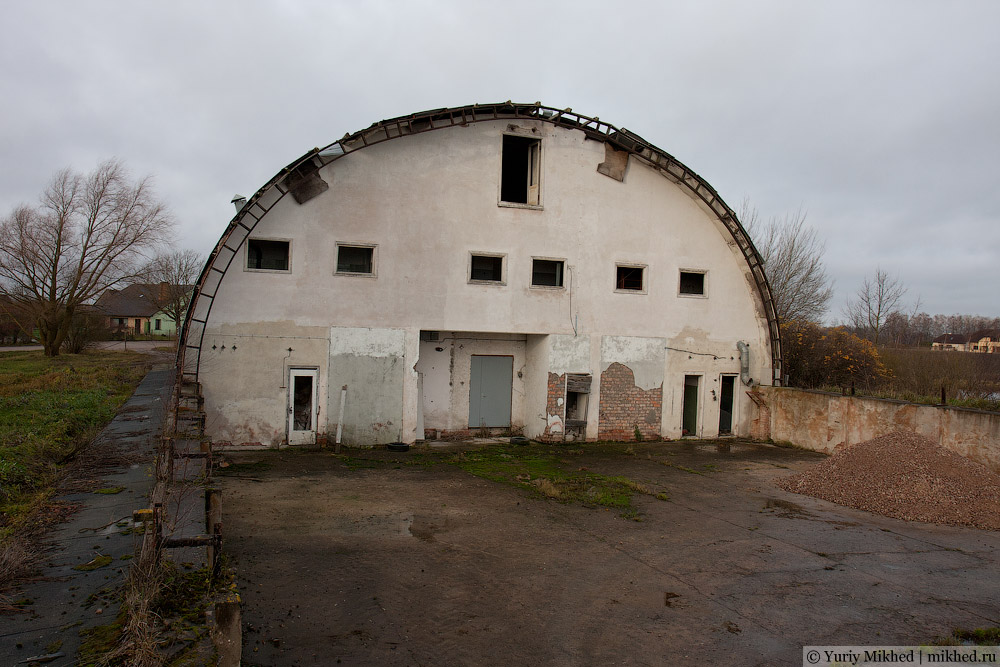
The main part of the hangar, which was still standing when I visited here in 1998, has not survived today. A lot of good stuff used to be stored in the hangar — cars, spare parts, propeller blades, heaters for warming up aircraft in winter, aircraft skis (in Soviet times, DOSAAF aerodromes did not close for the winter), car tyres, and heaps of other things.
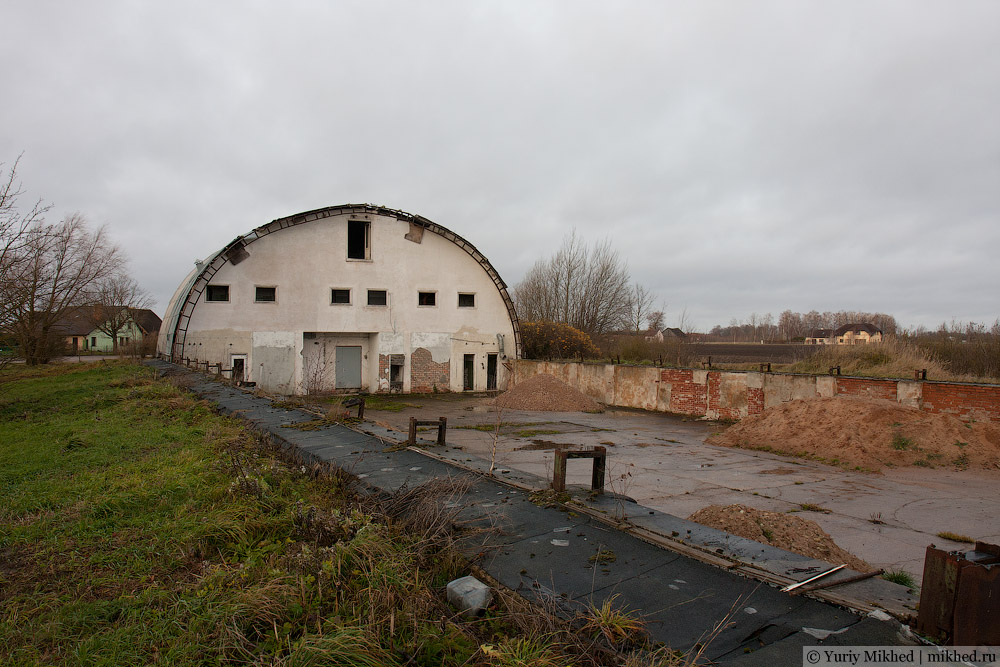
I terribly apologise for not climbing inside. It was, in principle, possible — although everything was bricked up, a small hole had been smashed through in one place, but I just didn't fancy taking my clothes off and getting dirty crawling through it. If I happen to visit here again, I will definitely explore the inside.
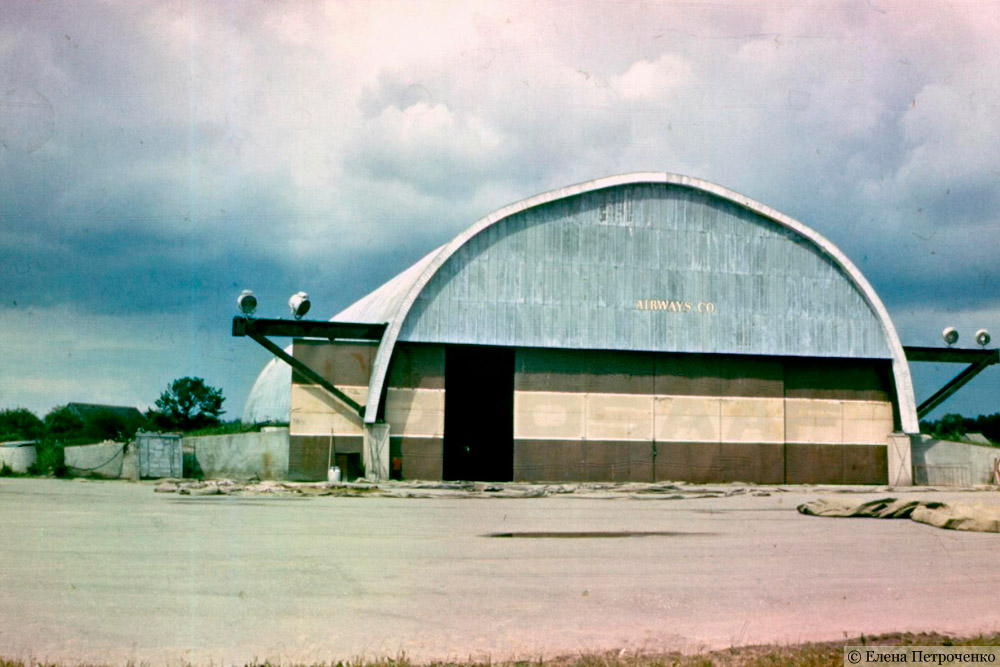
This photograph was taken by Elena Petrochenko in the summer of 1983. The hangar had large gates, and in front of it was an area with a concrete surface. The inscription "Airways Co.", according to her, was applied during the filming of a movie. In the second half of the eighties, the hangar gates were repainted in a solid red colour.
Now there are only puddles and mud in front of the hangar.
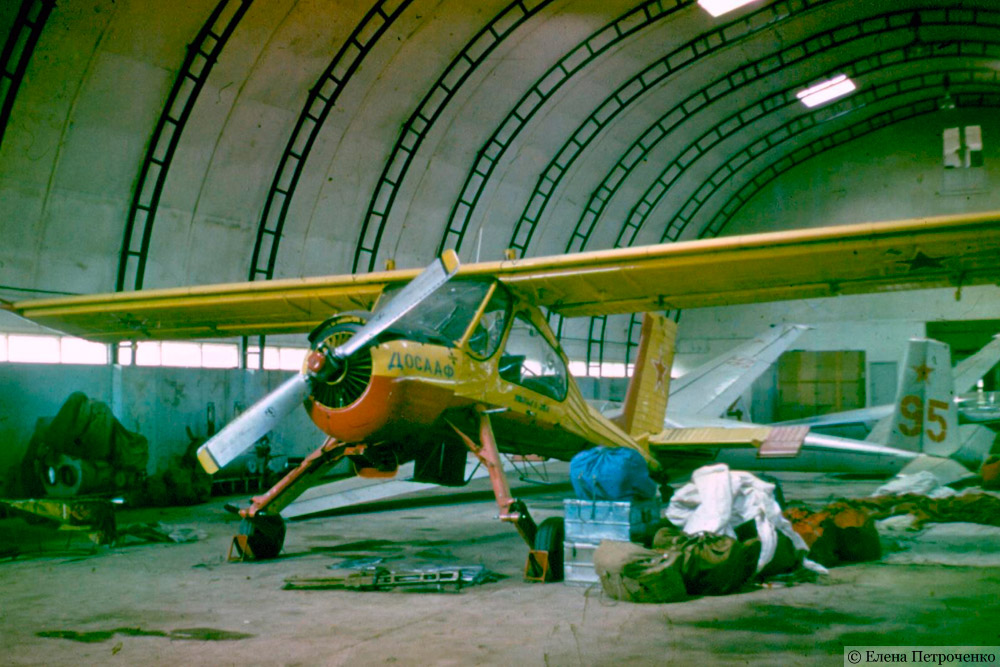
A photo inside, taken at the same time. In the foreground is a PZL-104 "Wilga" tow aircraft; Blaník L-13 gliders are visible in the background. In my time, aircraft equipment was no longer stored there; the glider pilots' aircraft were based at the parking areas behind the An-2 parkings.
Now it's some sort of a stone dump.
Launching the drone. A very annoying manufacturing defect was discovered in the DJI Mavic quadcopter — in cold weather, its camera cannot focus properly (there are many complaints from owners about this on the internet), which is why most of the pictures turn out blurry. Since this was the first shoot in the cold, I didn't know about this quirk yet (and you can't see it when viewing on a small phone screen), and as a result, most of the pictures from Nākotne had to be rejected. Later, I started taking several shots from each angle (of which only a couple came out fine). A nightmare, such an expensive drone, and they couldn't test it properly under all conditions. If you are thinking about buying a Mavic, keep this in mind.
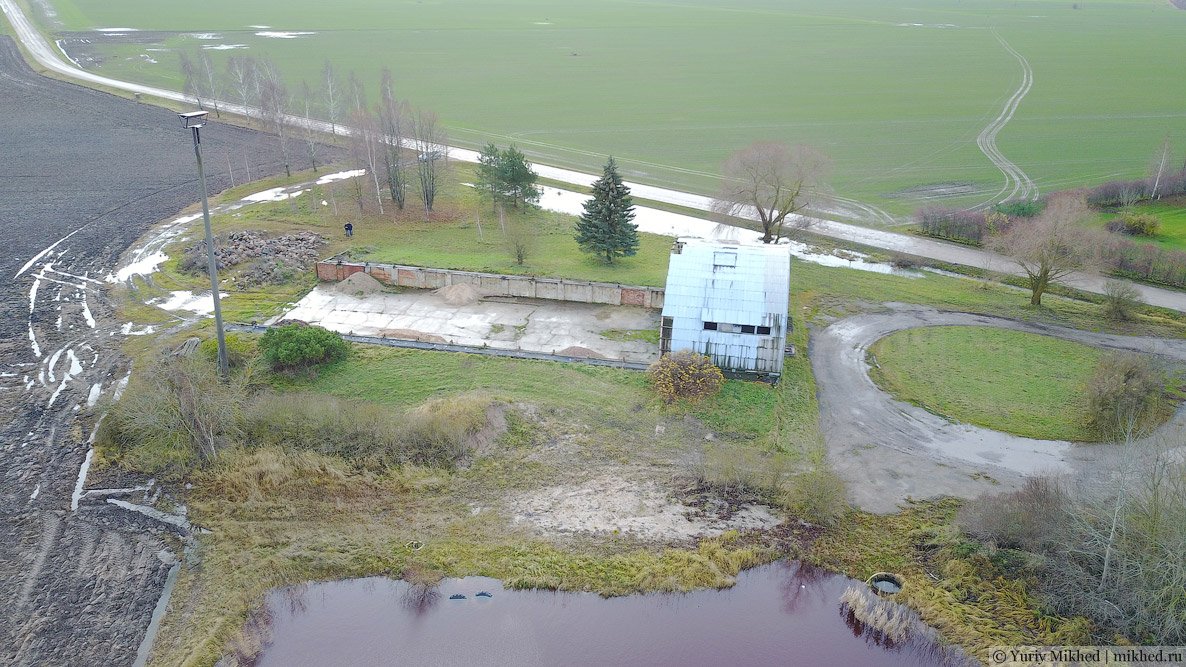
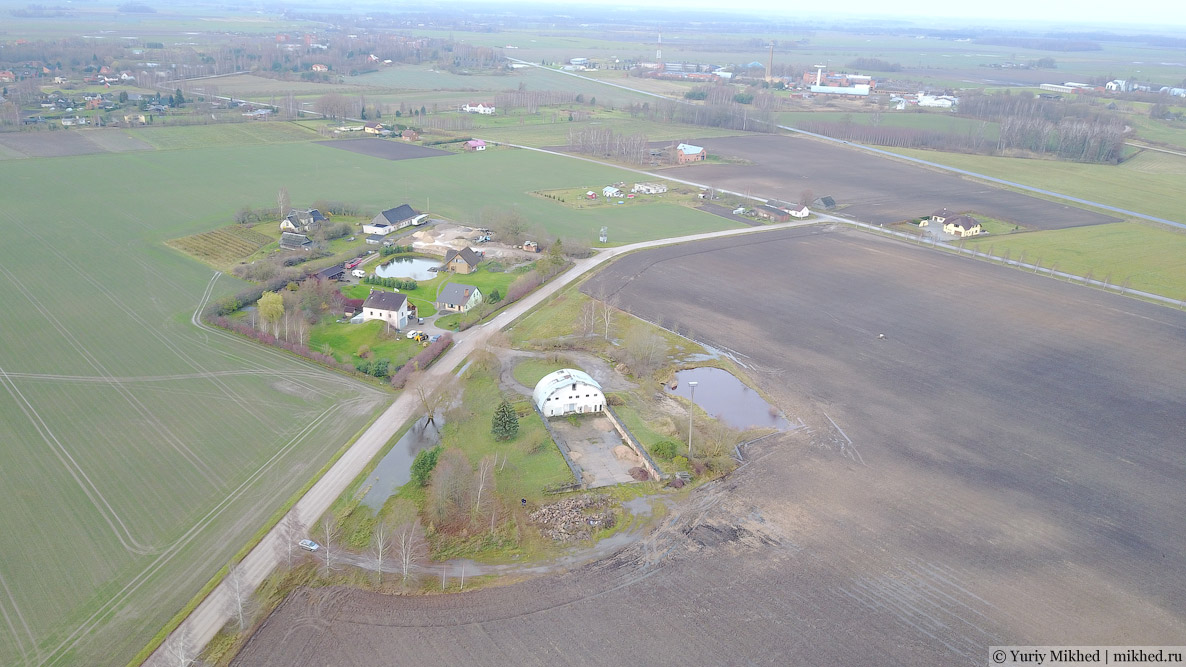
All that is left of the aerodrome. On the spot where the railway carriages used to stand, there is now some kind of a lake. Aircraft parking positions have not survived. And on the site of the Liman house, there is a large farmstead.
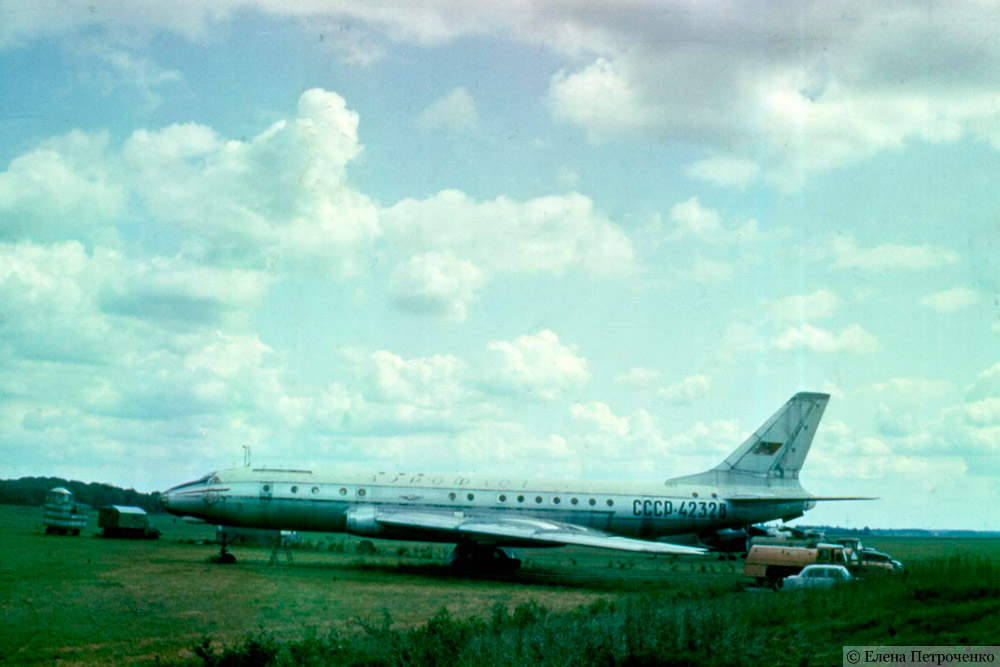
This photograph (also from 1983) shows a Tu-104 reg. СССР-42328, the cockpit of which has been preserved in the Riga Aviation Museum. Theoretical classes on parachute training were held inside the Tu-104. Later, it was moved slightly forward (see the first photo of this story), and a decommissioned An-2 was installed in its place, which was used for practicing exits. Behind the Tu-104, three Nākotne An-2s are visible.
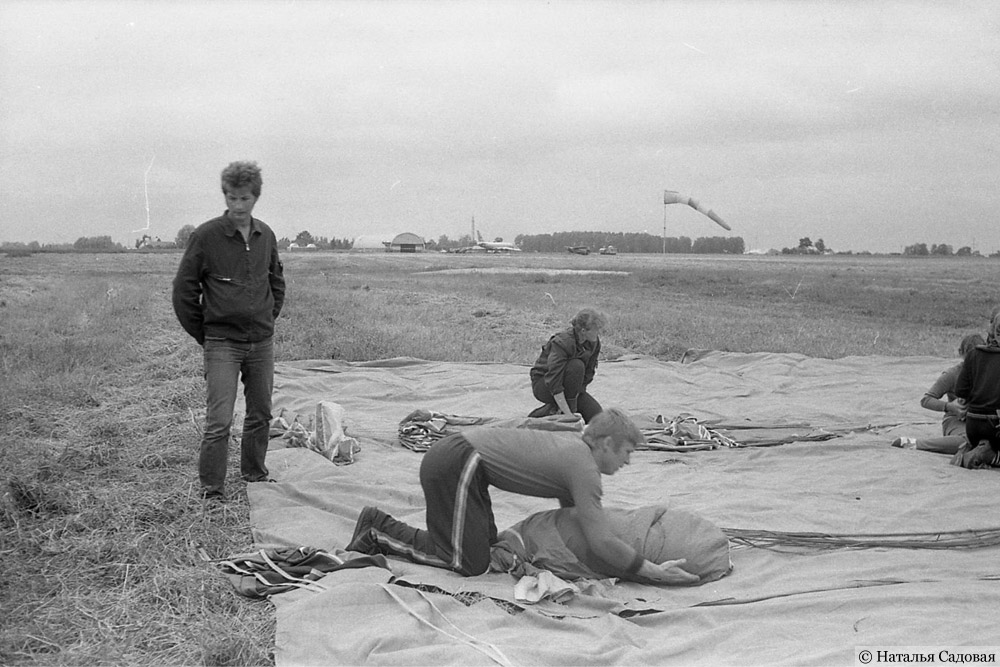
Another retro view from the field. Aerodrome buildings and equipment are visible in the background. Photo author — Natalya Sadovaya.
What is this pile of railway sleepers? Could they really be left over from the carriages?
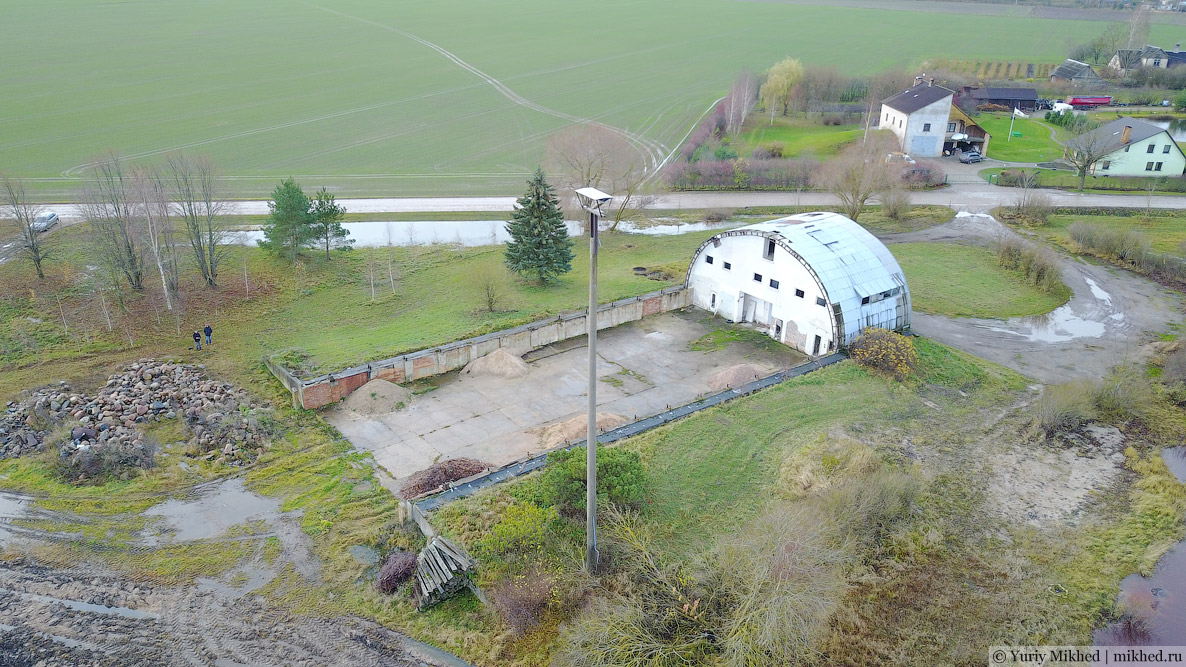
A little further away is the former agricultural airfield (a few An-2Rs used to stand there). It had its own paved runway, which is now almost completely dismantled. The building is also not used in any way and is up for sale.
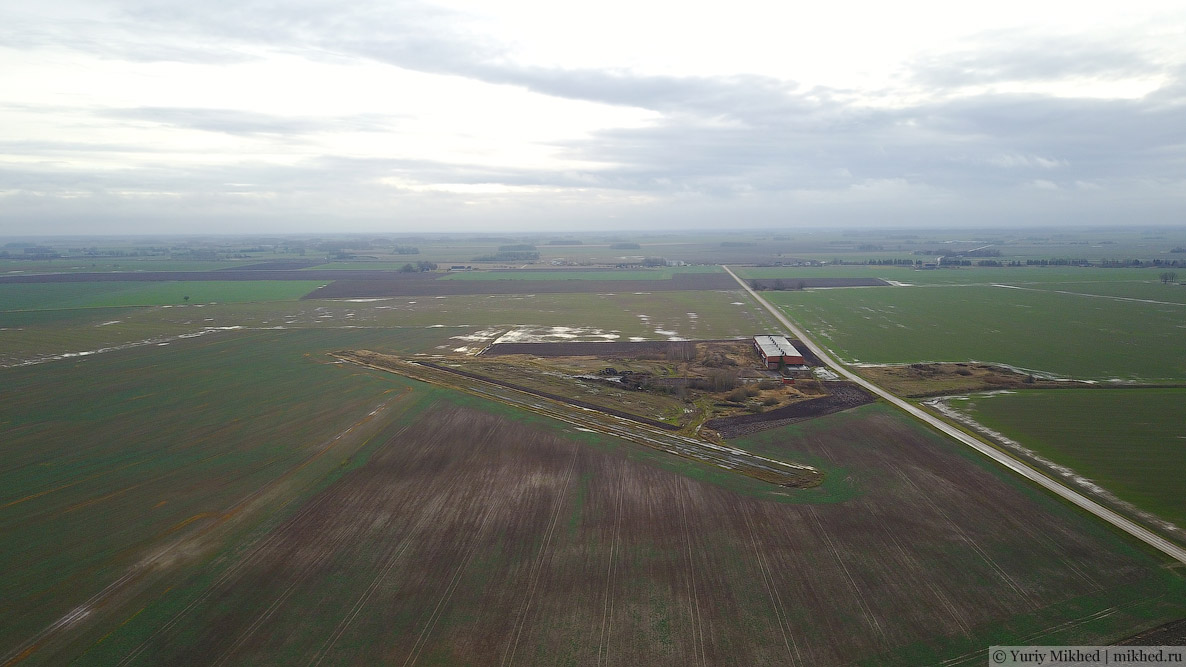
Up close, it is clear that the complex has been abandoned for a long time.
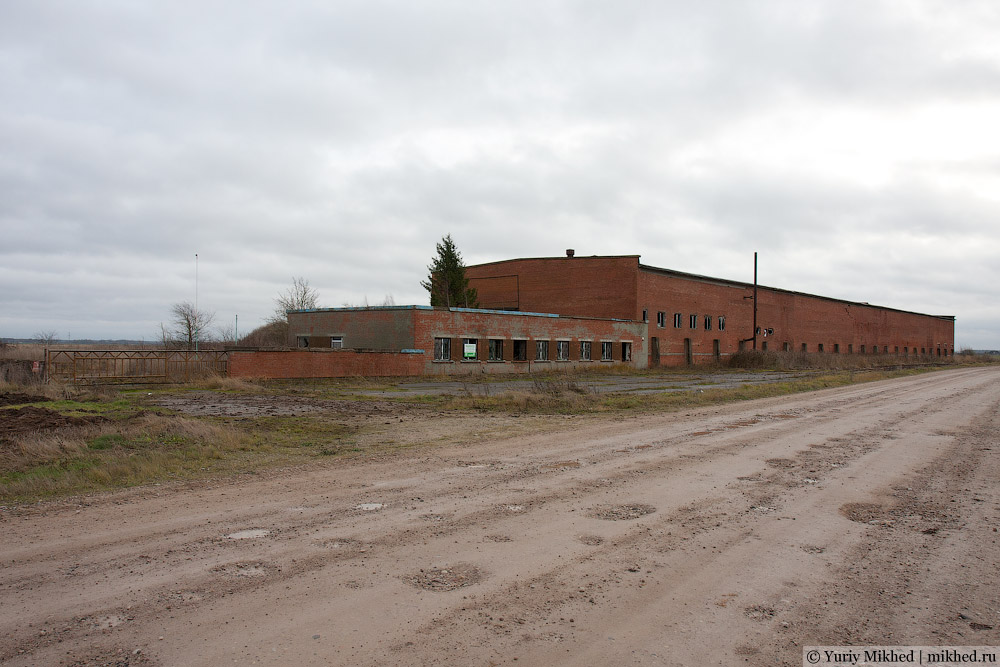
In general, sic transit gloria mundi, or whatever they say in such cases. Nothing is left but nostalgia. Let's drive to the village itself.
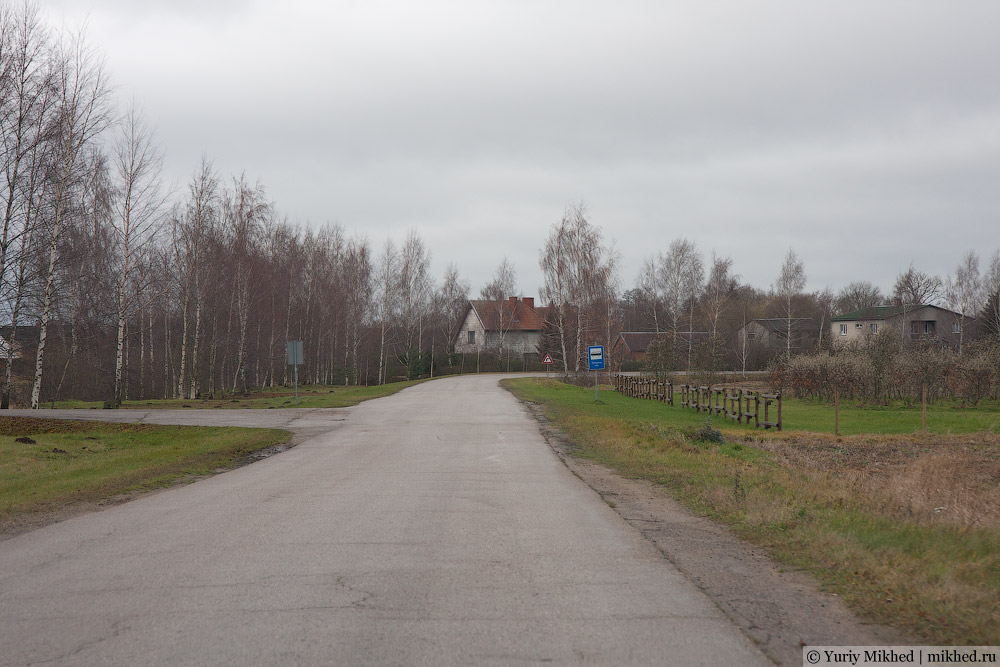
On the way is the village of Bakuli.
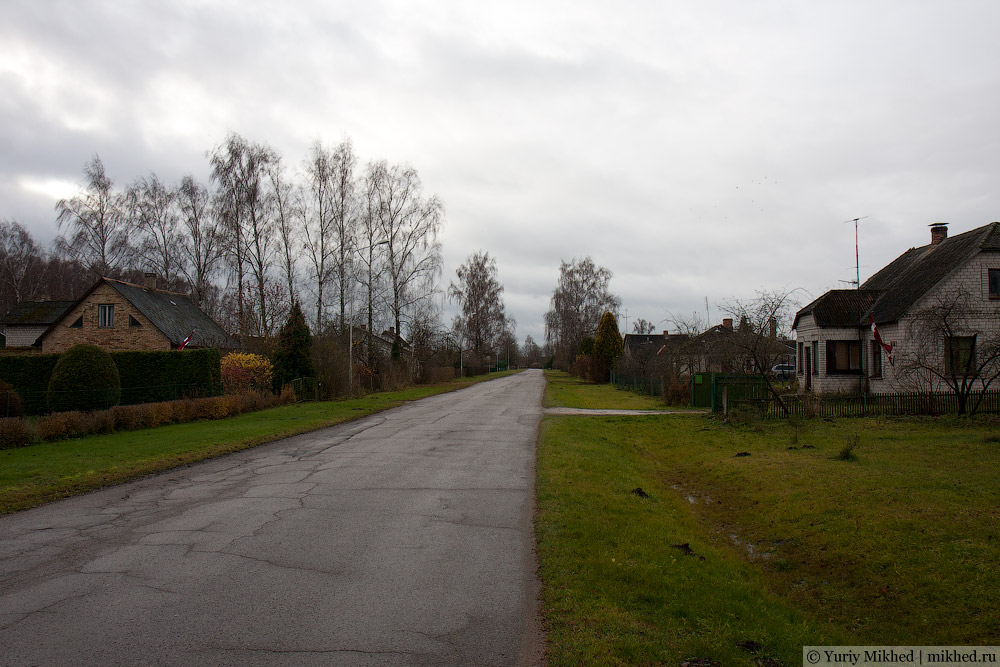
And after it — a small pond where parachutists used to go for a swim. Now the beach has been improved.
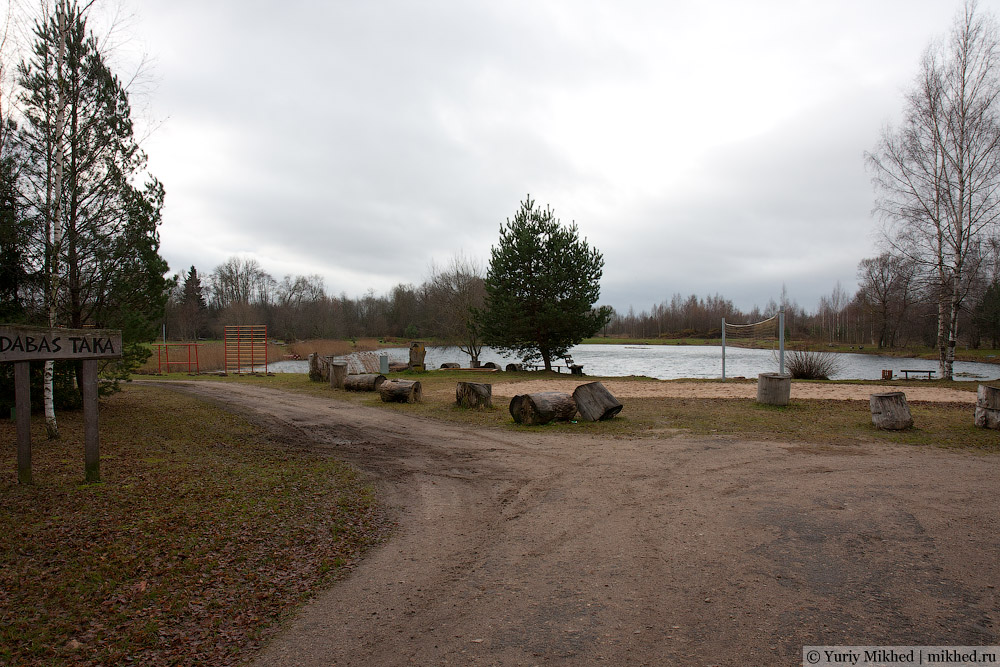
And here is Nākotne itself.
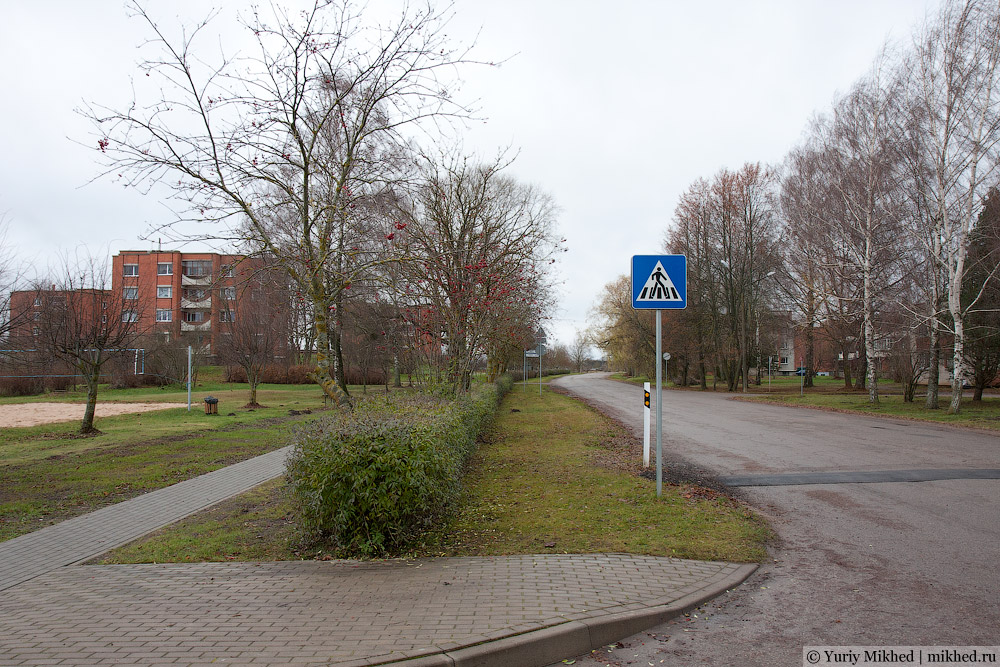
Not wealthy, but neat.
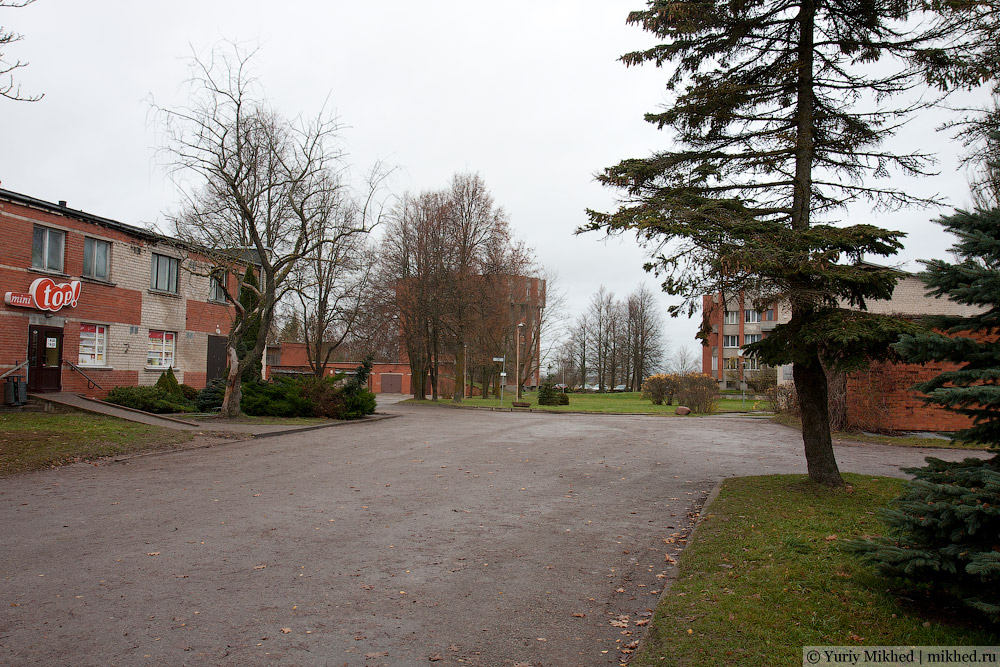
This is probably the administration office.
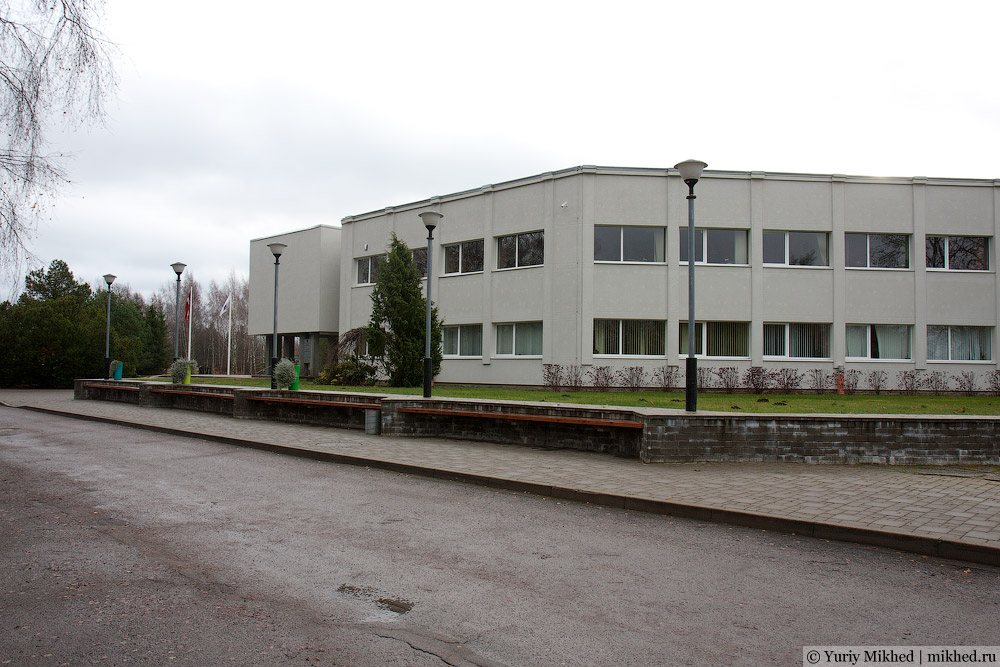
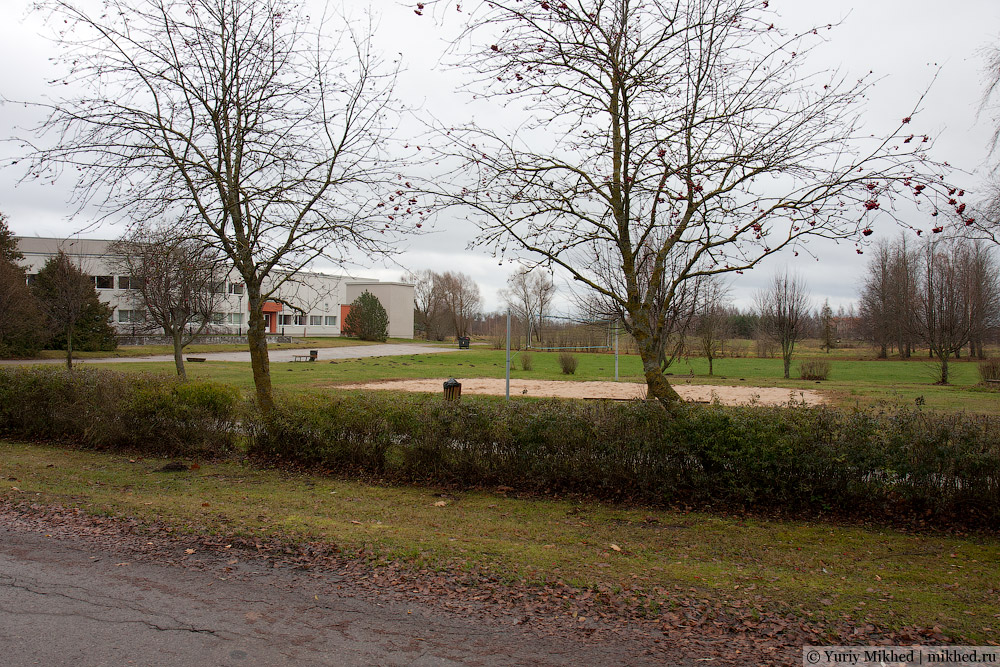
Sports ground.
And this building used to house the canteen where everyone from the aerodrome went for lunch. Even I remember it)
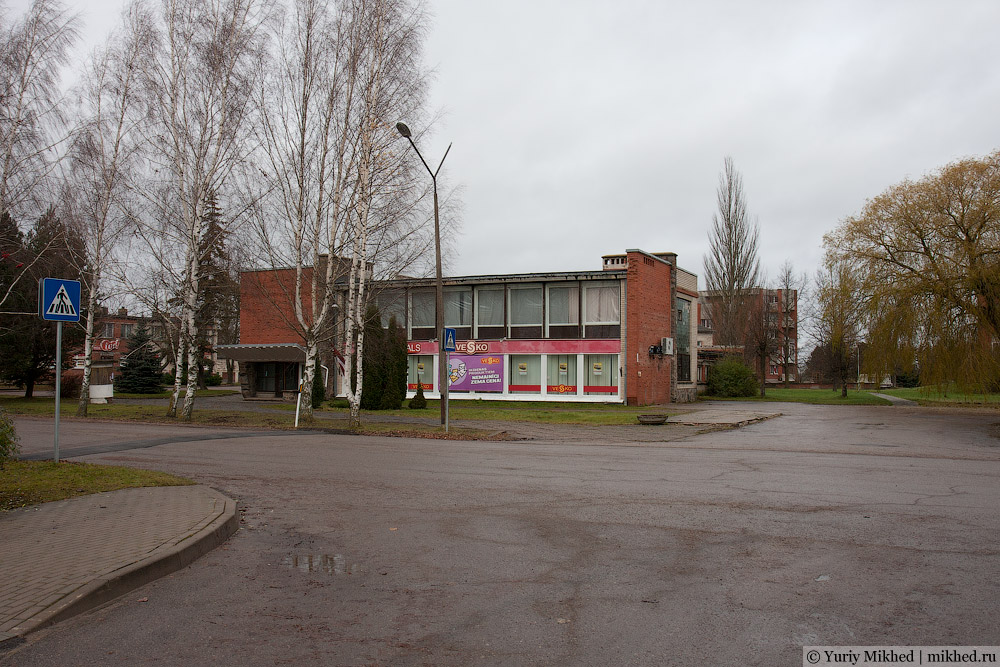
The canteen was on the first floor. It is unclear what is there now. There is some kind of a shop on the ground floor.
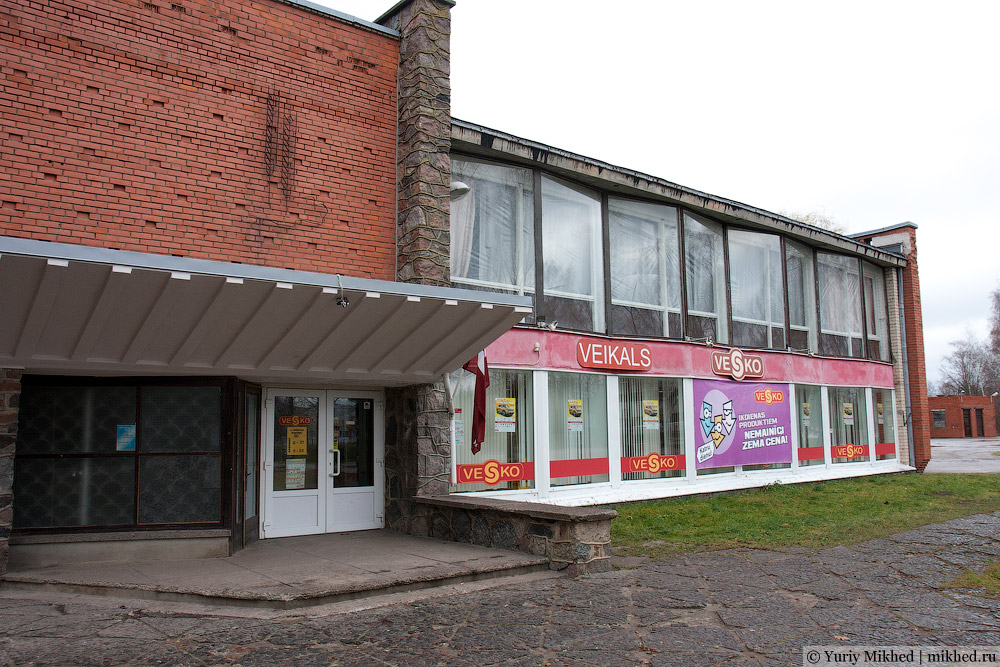
Everything has been preserved in its original form. Even the Soviet tiles.
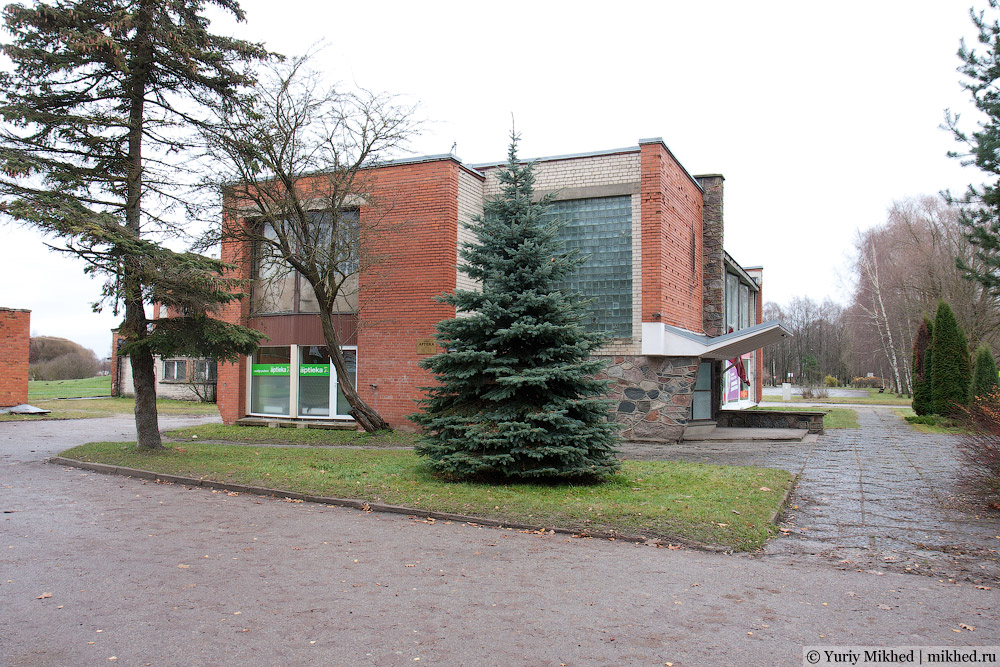
In Soviet times, the "Nākotne" collective farm (formed in 1946, the first in the Latvian SSR) was a leading, model enterprise with All-Union fame and a huge, highly diversified economy.
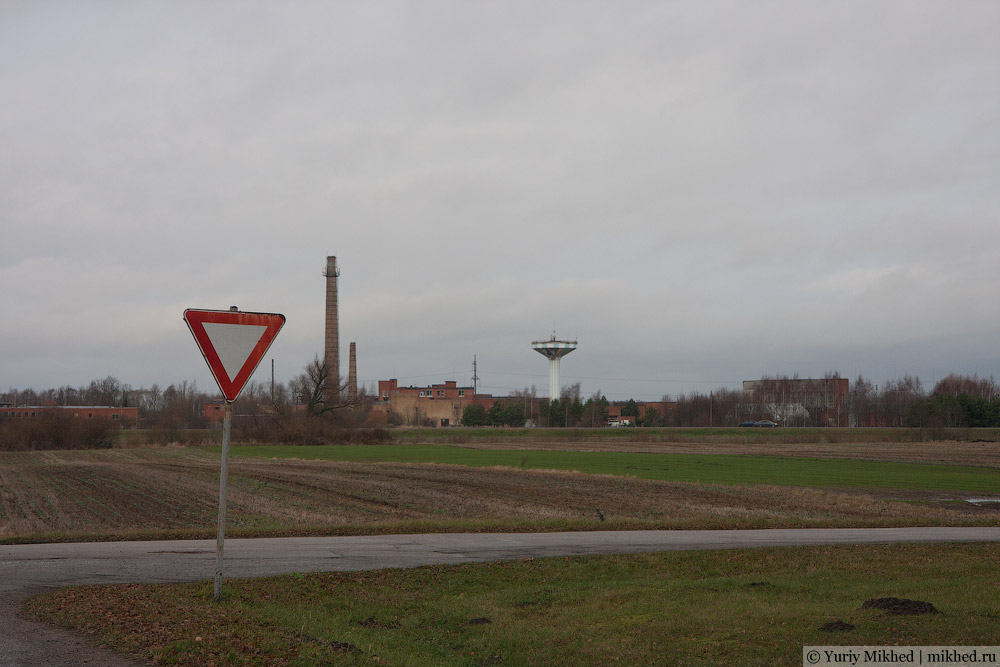
But there are still many plans for today, so we won't linger here.
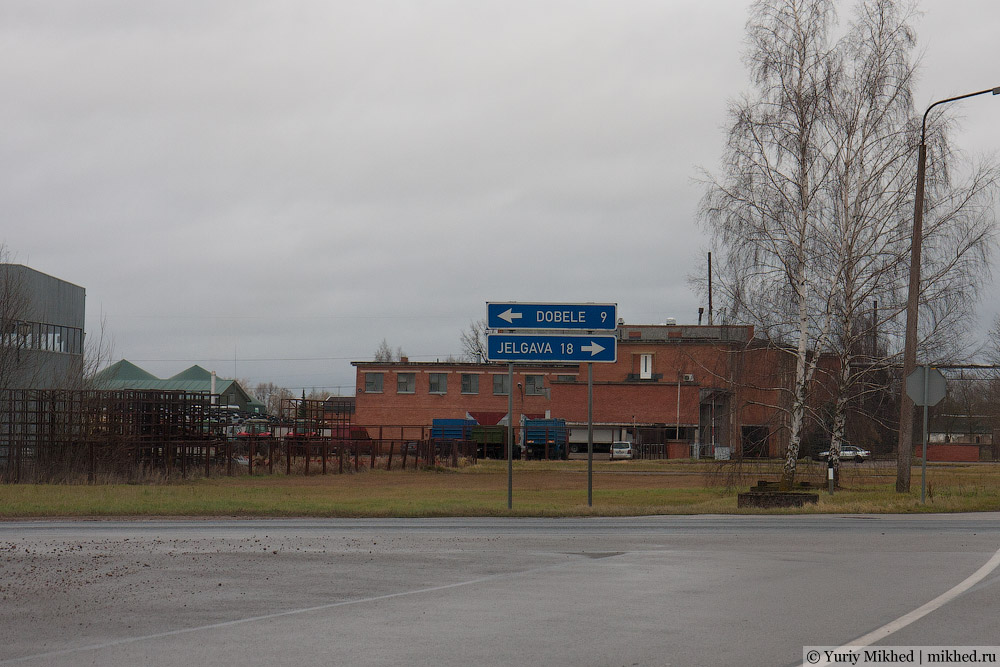
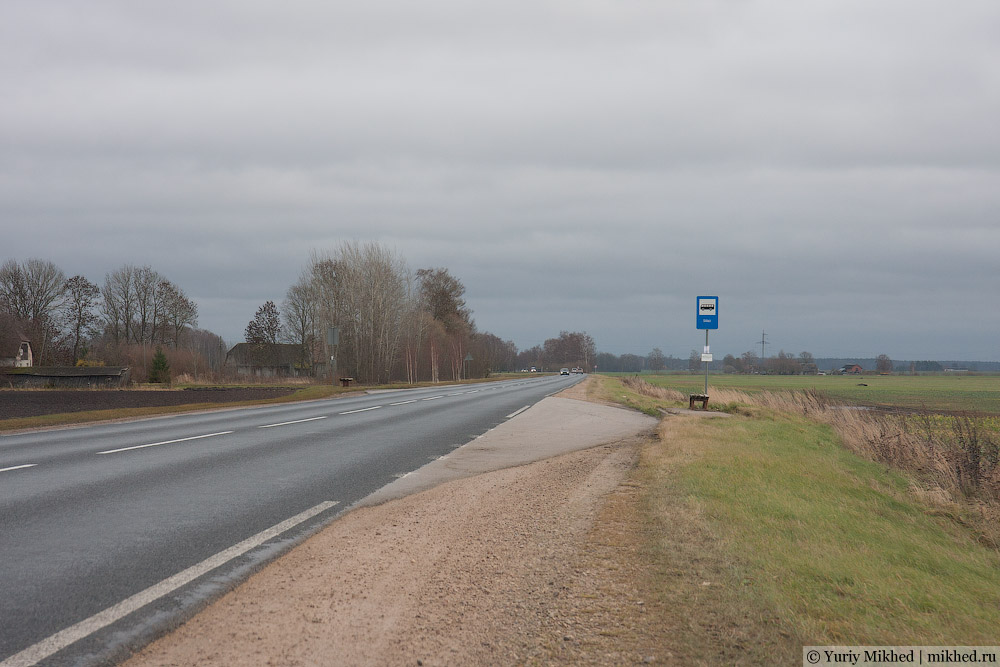
On the way back, we drive past the former aerodrome again. The bus stop where the parachutists used to wait for the bus to town after the end of their shift is still there.